Instrumentation and Methods for Astrophysics
arXiv:astro-ph.IM
Detector and telescope design, astronomical data analysis techniques and methods.
Looking for a broader view? This category is part of:
Detector and telescope design, astronomical data analysis techniques and methods.
Looking for a broader view? This category is part of:
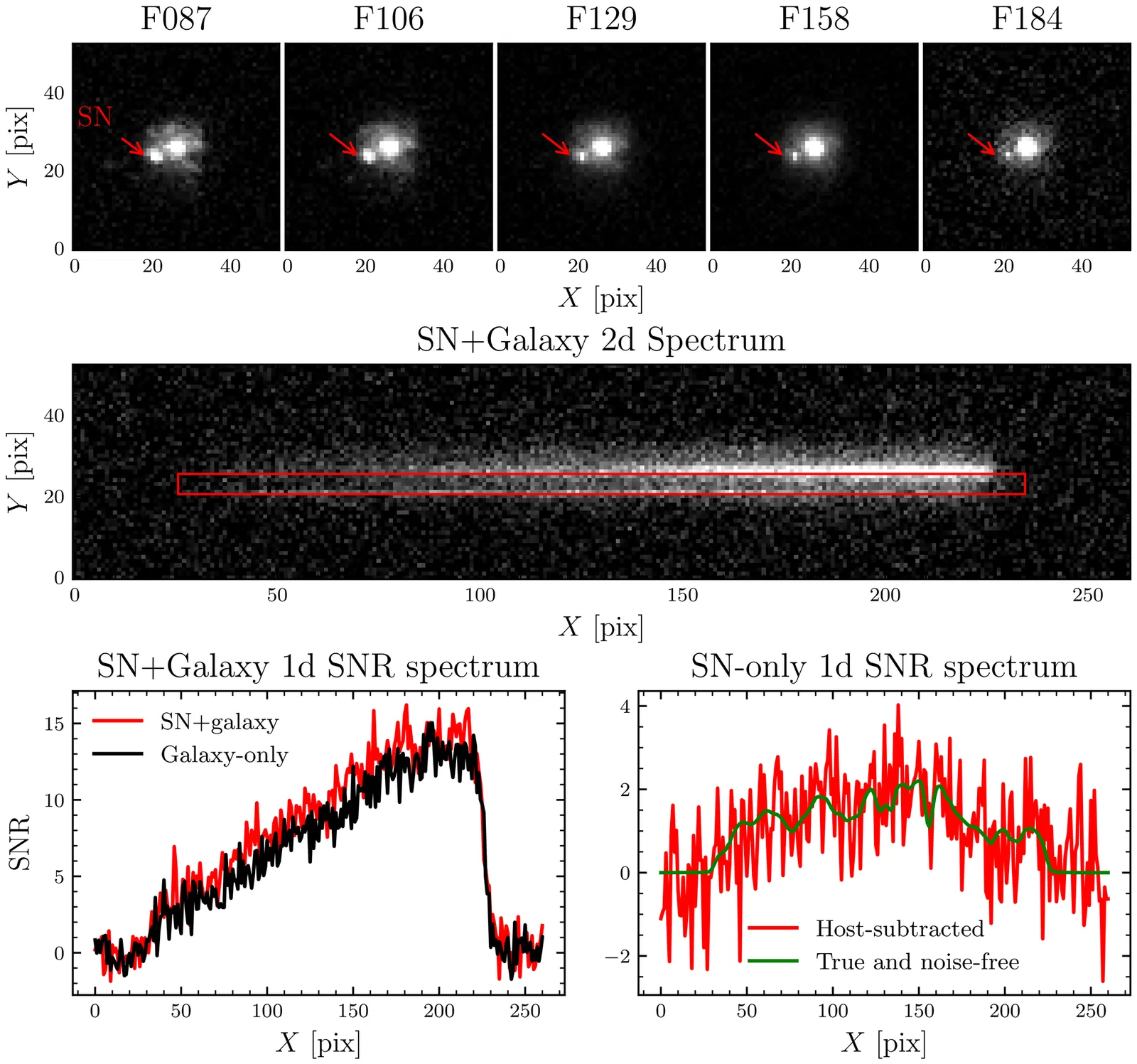
The Nancy Grace Roman Space Telescope will carry out a wide-field imaging and slitless spectroscopic survey of Type Ia Supernovae to improve our understanding of dark energy. Crucial to this endeavor is obtaining supernova spectra uncontaminated by light from their host galaxies. However, obtaining such spectra is made more difficult by the inherent problem in wide-field slitless spectroscopic surveys: the blending of spectra of close objects. The spectrum of a supernova will blend with the host galaxy, even from regions distant from the supernova on the sky. If not properly removed, this contamination will introduce systematic bias when the supernova spectra are later used to determine intrinsic supernova parameters and to infer the parameters of dark energy. To address this problem we developed an algorithm that makes use of the spectroscopic observations of the host galaxy at all available observatory roll angles to reconstruct a three-dimensional (3d; 2d spatial, 1d spectral) representation of the underlying host galaxy that accurately matches the 2d slitless spectrum of the host galaxy when projected to an arbitrary rotation angle. We call this ``scene reconstruction''. The projection of the reconstructed scene can be subtracted from an observation of a supernova to remove the contamination from the underlying host. Using simulated Roman data, we show that our method has extremely small systematic errors and significantly less random noise than if we subtracted a single perfectly aligned spectrum of the host obtained before or after the supernova was visible.
 2601.04939
The search for the sources of ultra-high-energy cosmic rays (UHECRs) using high-energy neutrinos represents a frontier in high-energy astrophysics. However, a critical bottleneck remains: the ability to rapidly survey the sizable sky areas defined by the localization uncertainties of neutrino detectors and to provide rapid spectroscopic classification of the multitude of optical transients found within them. By deploying a large field-of-view with high-multiplex Multi-Object Spectroscopy (MOS) on a large aperture telescope, one can instantaneously cover neutrino error circles, thus providing crucial spectroscopic classifications of potential counterparts discovered, for example, by the Vera C. Rubin Observatory (LSST) with unprecedented efficiency. Furthermore, simultaneous operation of a giant panoramic central Integral Field Spectrograph (IFS) would allow for detailed kinematic and environmental characterization of primary candidates. This facility would unlock deep synergies between next-generation neutrino telescopes (IceCube-Gen2, KM3NeT) and gamma-ray observatories (CTAO), transforming unique multi-messenger alerts into a comprehensive physical understanding.
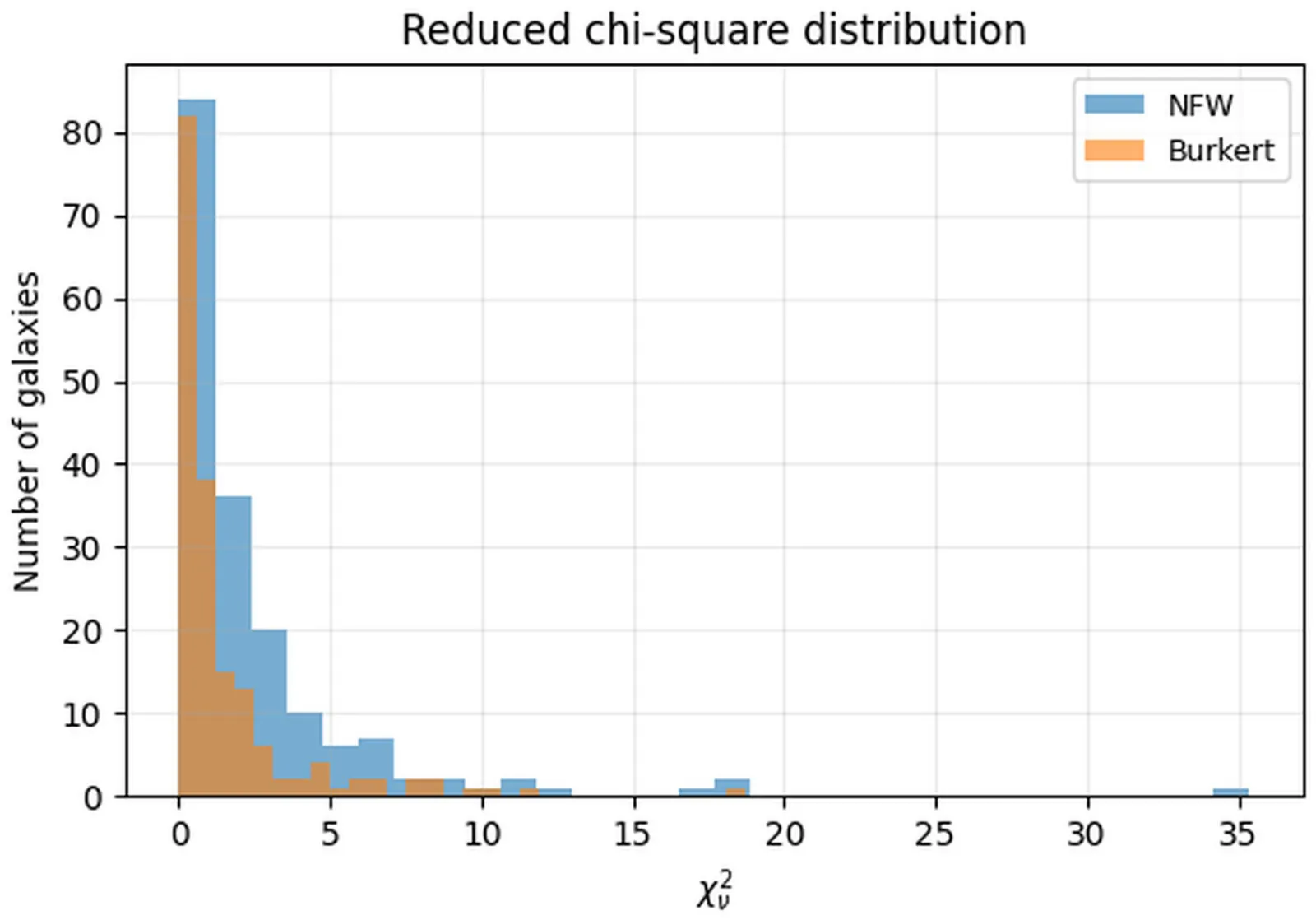
Self-interacting dark matter (SIDM) is a well-motivated extension of cold dark matter that can modify halo structure on galactic and group scales while remaining consistent with large-scale structure. However, practical SIDM work often requires bridging several layers, including microphysical scattering models, velocity-dependent effective cross sections, phenomenological astrophysical constraints, and (separately) data-driven halo fits, such as rotation curves. In this paper, we describe \texttt{sidmkit}, a transparent and reproducible Python package designed to support SIDM ``micro$\rightarrow$macro'' calculations and to provide a robust batch pipeline for fitting rotation curves in the SPARC data. On the SIDM side, \texttt{sidmkit} implements velocity-dependent momentum-transfer cross sections for a Yukawa interaction using standard analytic approximations (Born, classical, and Hulthén-based) with a numerical partial-wave option for spot checks. It also provides consistent velocity-moment averaging for Maxwellian relative speeds, scattering-rate utilities, and curated literature \emph{summary} constraints for regression tests and exploratory scans. On the rotation-curve side, we implement bounded non-linear least squares fits of NFW and Burkert halo models to SPARC baryonic decompositions, with optional mass-to-light priors and information-criterion summaries (AIC/BIC). For the demonstration dataset, we process 191 \texttt{rotmod} galaxies (LTG+ETG bundles) and fit both NFW and Burkert models (382 total fits). We find that Burkert is preferred by $Δ\mathrm{BIC} > 0$ for $65.4\%$ of galaxies, with ``strong'' preference ($Δ\mathrm{BIC}>6$) in $32.5\%$ of galaxies;
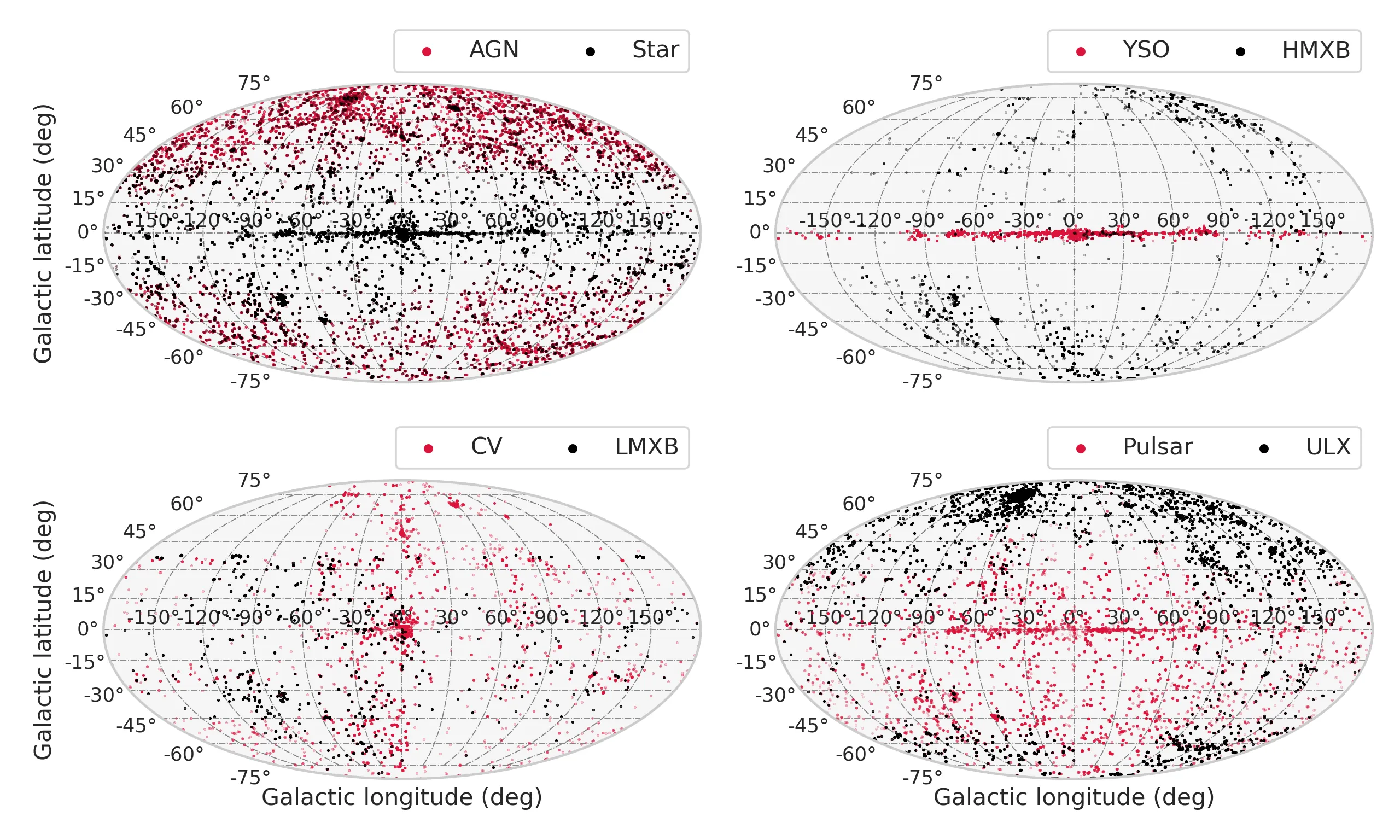
Extensive astronomical surveys, like those conducted with the {\em Chandra} X-ray Observatory, detect hundreds of thousands of unidentified cosmic sources. Machine learning (ML) methods offer an efficient, probabilistic approach to classify them, which can be useful for making discoveries and conducting deeper studies. In earlier work, we applied the LightGBM (ML model) to classify 277,069 {\em Chandra} point sources into eight categories: active galactic nuclei (AGN), X-ray emitting stars, young stellar objects (YSO), high-mass X-ray binaries, low-mass X-ray binaries, ultraluminous X-ray sources, cataclysmic variables, and pulsars. In this work, we present the classification table of 54,770 robustly classified sources (over $3σ$ confidence), including 14,066 sources at $>4σ$ significance. To ensure classification reliability and gain a deeper insight, we investigate the multiwavelength feature relationships learned by the LightGBM model, focusing on AGNs, Stars, and YSOs. We employ Explainable Artificial Intelligence (XAI) techniques, specifically, SHapley Additive exPlanations (SHAP), to quantify the contribution of individual features and their interactions to the predicted classification probabilities. Among other things, we find infrared-optical and X-ray decision boundaries for separating AGN/Stars, and infrared-X-ray boundaries for YSOs. These results are crucial for estimating object classes even with limited multiwavelength data. This study represents one of the earliest applications of XAI to large-scale astronomical datasets, demonstrating ML models' potential for uncovering physically meaningful patterns in data in addition to classification. Finally, our publicly available, extensive, and interactive catalogue will be helpful to explore the contributions of features and their combinations in greater detail in the future.
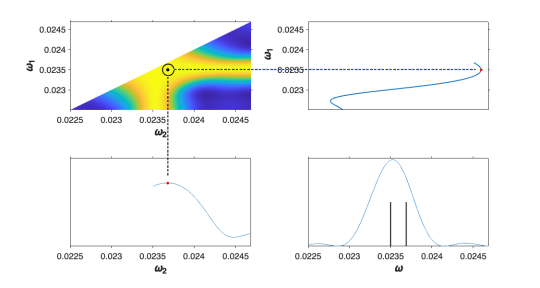
Multiple-frequency periodograms -- based on time series models consisting of two or more independent sinusoids -- have long been discussed. What is new here is the presentation of a practical, simple-to-use computational framework implementing this concept. Our algorithms have super resolution that evades the Rayleigh criterion, as well as provision for statistical weighting and tapering. They can be used for essentially any time series (e.g. time-tagged events or point measurements) with arbitrary sampling -- even or uneven. Examples of super resolution of synthetic data, sunspot numbers, and the rich pulsations of white dwarf J0135+5722, demonstrate practical applications. Appendices derive generalized periodograms using an arbitrary number of arbitrary basis functions (following Bretthorst, 1988)and define several examples of non-sinusoidal bases for these ``omnigrams.'' Application beyond the frequency domain is demonstrated with an autoregressive model exhibiting super resolution in the time domain. A GitHub repository containing omnigram code, and symbolic algebra scripts for generating it, will soon be available.
2601.03966Dynamic Spectrum Sharing (DSS) is increasingly promoted as a key element of modern spectrum policy, driven by the rising demand from commercial wireless systems and advances in spectrum access technologies. Passive radio sciences, including radio astronomy, Earth remote sensing, and meteorology, operate under fundamentally different constraints. They rely on exceptionally low interference spectrum and are highly vulnerable to even brief radio frequency interference. We examine whether DSS can benefit passive services or whether it introduces new failure modes and enforcement challenges. We propose just-in-time quiet zones (JITQZ) as a mechanism for protecting high value observations and assess hybrid frameworks that preserve static protection for core passive bands while allowing constrained dynamic access in adjacent frequencies. We analyze the roles of propagation uncertainty, electromagnetic compatibility constraints, and limited spectrum awareness. Using a game theoretic framework, we show why non-cooperative sharing fails, identify conditions for sustained cooperation, and examine incentive mechanisms including pseudonymetry-enabled attribution that promote compliance. We conclude that DSS can support passive radio sciences only as a high-reliability, safety-critical system. Static allocations remain essential, and dynamic access is viable only with conservative safeguards and enforceable accountability.
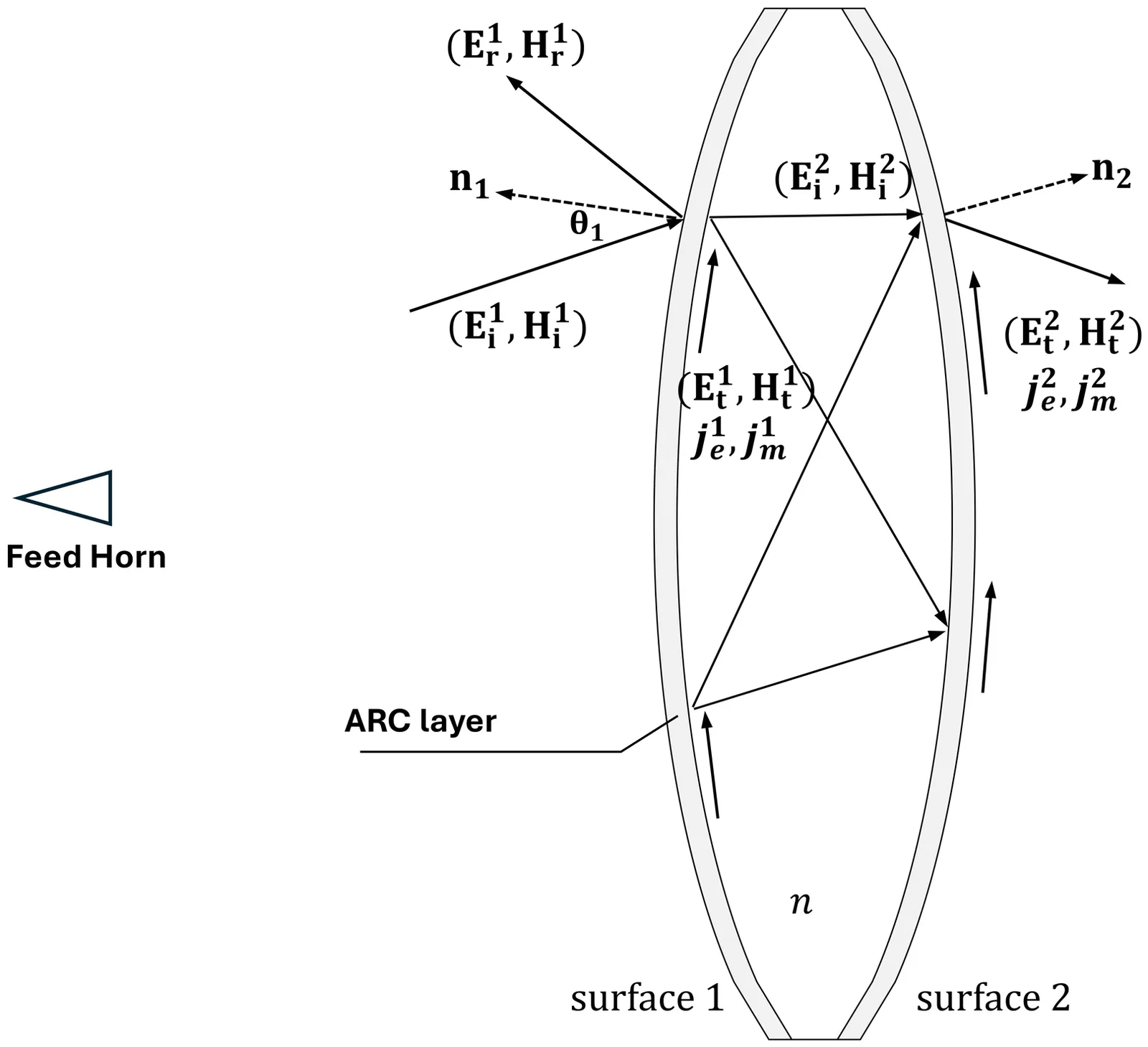
We identify a polarization rotation systematic in the far field beams of refractive cosmic microwave background (CMB) telescopes caused by differential transmission in anti-reflection (AR) coatings of optical elements. This systematic was identified following the development of a hybrid physical optics method that incorporates full-wave electromagnetic simulations of AR coatings to model the full polarization response of refractive systems. Applying this method to a two-lens CMB telescope with non-ideal AR coating, we show that polarization-dependent transmission can produce a rotation of the far-field polarization angle that varies across the focal plane with a typical amplitude of 0.05-0.5 degrees. If ignored in analysis, this effect can produce temperature to polarization leakage and Stokes Q/U mixing.
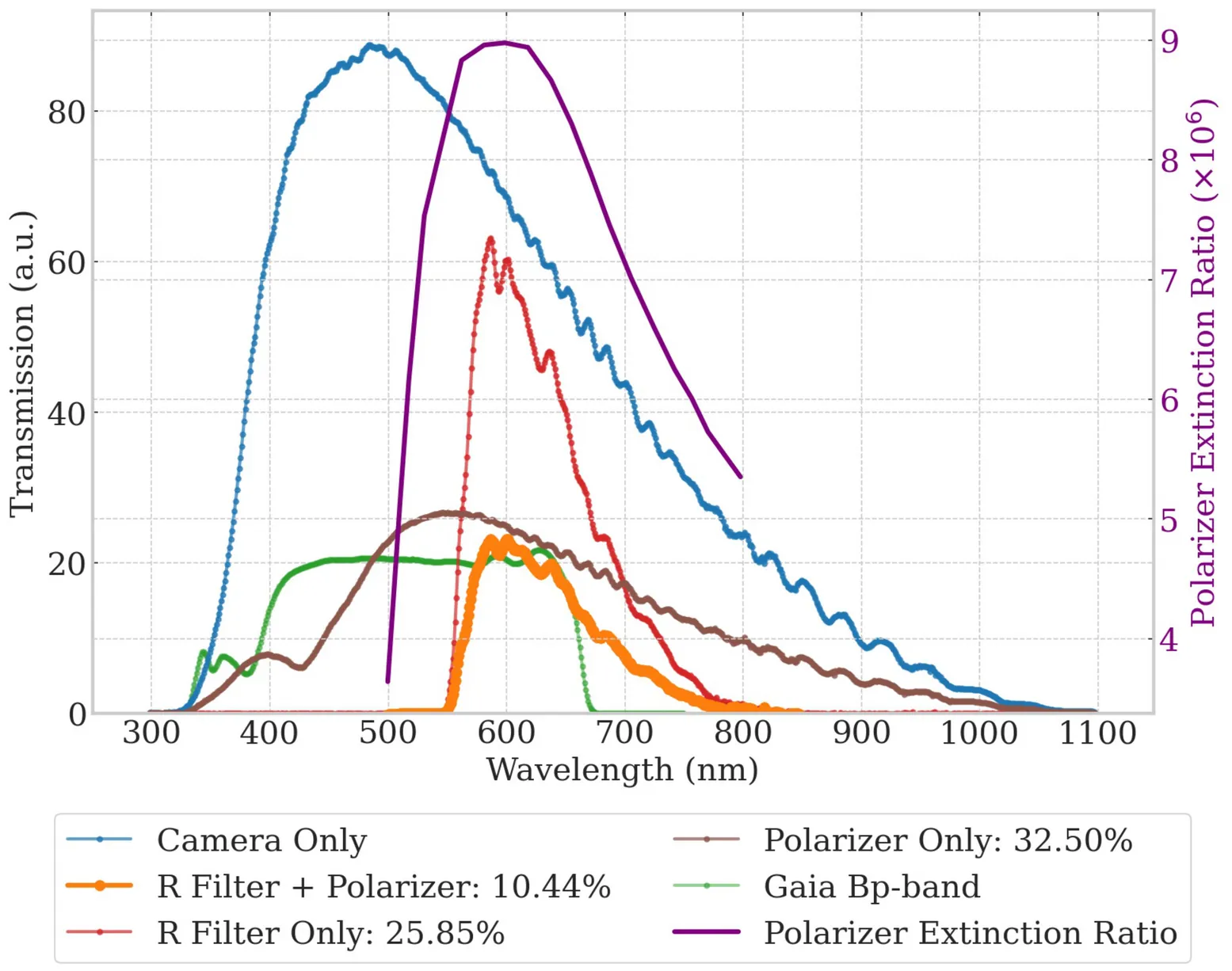
Optical polarimetry provides information on the geometry of the emitting region, the magnetic field configuration and the properties of dust in astrophysical sources. Current state-of-the-art instruments typically have a small field of view (FoV), which poses a challenge for conducting wide surveys. We propose the construction of the Large Array Survey Telescope Polarization Node (LAST-P), a wide-field array of optical polarimeters. LAST-P is designed for high-cadence ($\lesssim 1$ day) polarization monitoring of numerous astrophysical transients, such as the early phases of gamma-ray bursts, supernovae, and novae. Furthermore, LAST-P will facilitate the creation of extensive polarization catalogs for X-ray binaries and white dwarfs, alongside a large FoV study of the interstellar medium. In survey mode, LAST-P will cover a FoV of 88.8 deg$^2$. With a 15 x 1-minute exposure, the instrument will be capable of measuring polarization of sources as faint as Gaia Bp-magnitude $\sim$20.9. The precision on the linear polarization degree (PD) will reach 0.7\%, 1.5\%, and 3.5\% for sources with magnitudes 17, 18, and 19, respectively, for a seeing of 2.7 arcsec, air mass of about 1 for observations in dark locations. We propose three distinct non-simultaneous survey strategies, among them an active galactic nuclei (AGN) strategy for long-term monitoring of $\sim$200 AGN with $<$1-day cadence. In this paper, we present the predicted sensitivity of the instrument and outline the various science cases it is designed to explore.
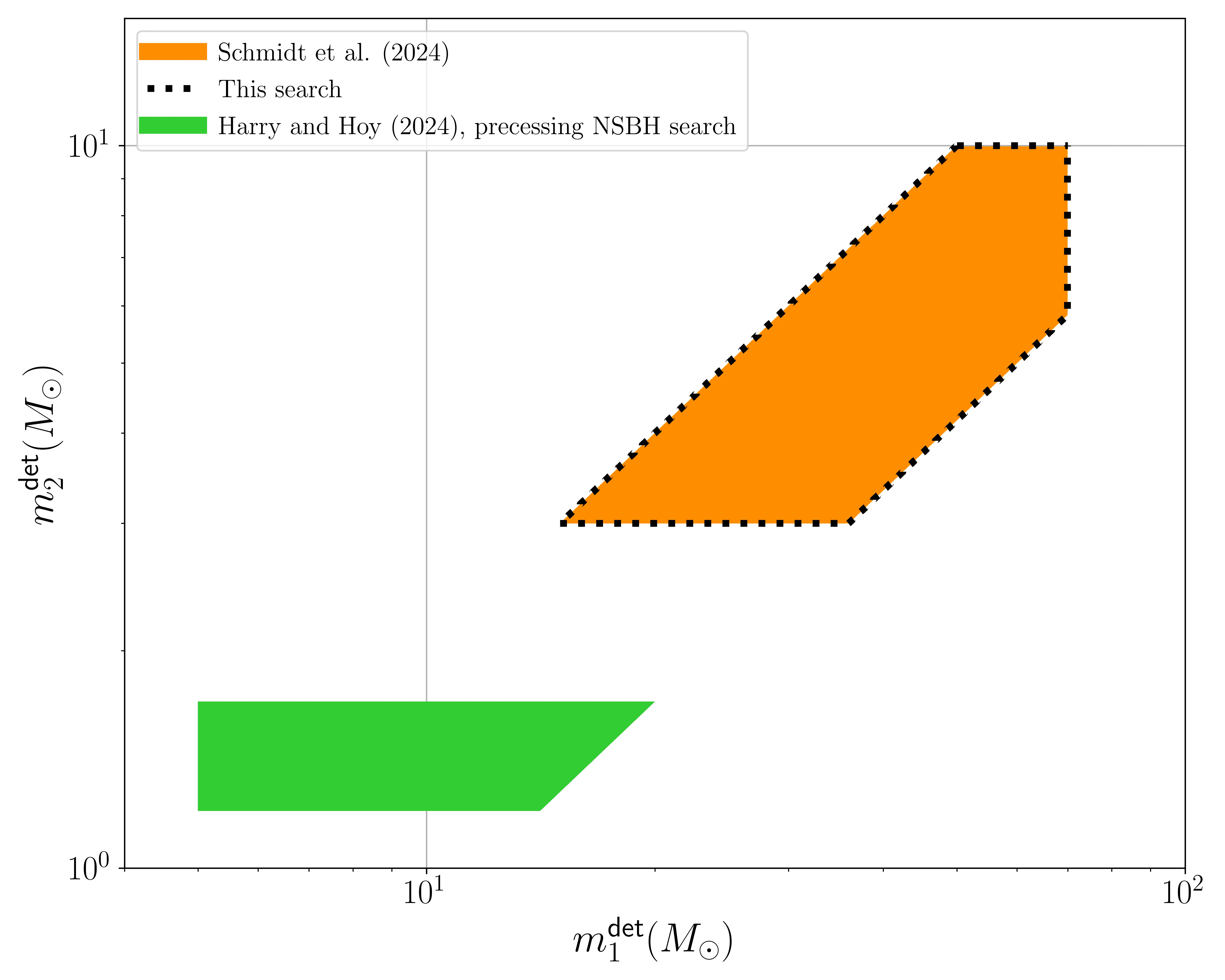
Binary black holes (BBHs) exhibiting spin-induced orbital precession offer unique insight into compact-binary formation channels, cosmology, and tests of general relativity. We conduct a dedicated search for precessing BBHs in Advanced LIGO's third observing run (O3) using the harmonic decomposition method of precessing waveforms. We introduce a novel scheme to reduce the number of filters in a harmonic search. With our new approach, our template bank requires $5\times$ fewer filters compared to another proposed precessing search in the same region. We do not find any new significant events. Our new search method achieves up to $\sim 28\%$ improvement in sensitivity and up to $5\times$ lower computational costs compared to existing precessing search pipelines. Our method enables scalable, sensitive searches for precessing BBHs in future gravitational-wave observing runs.
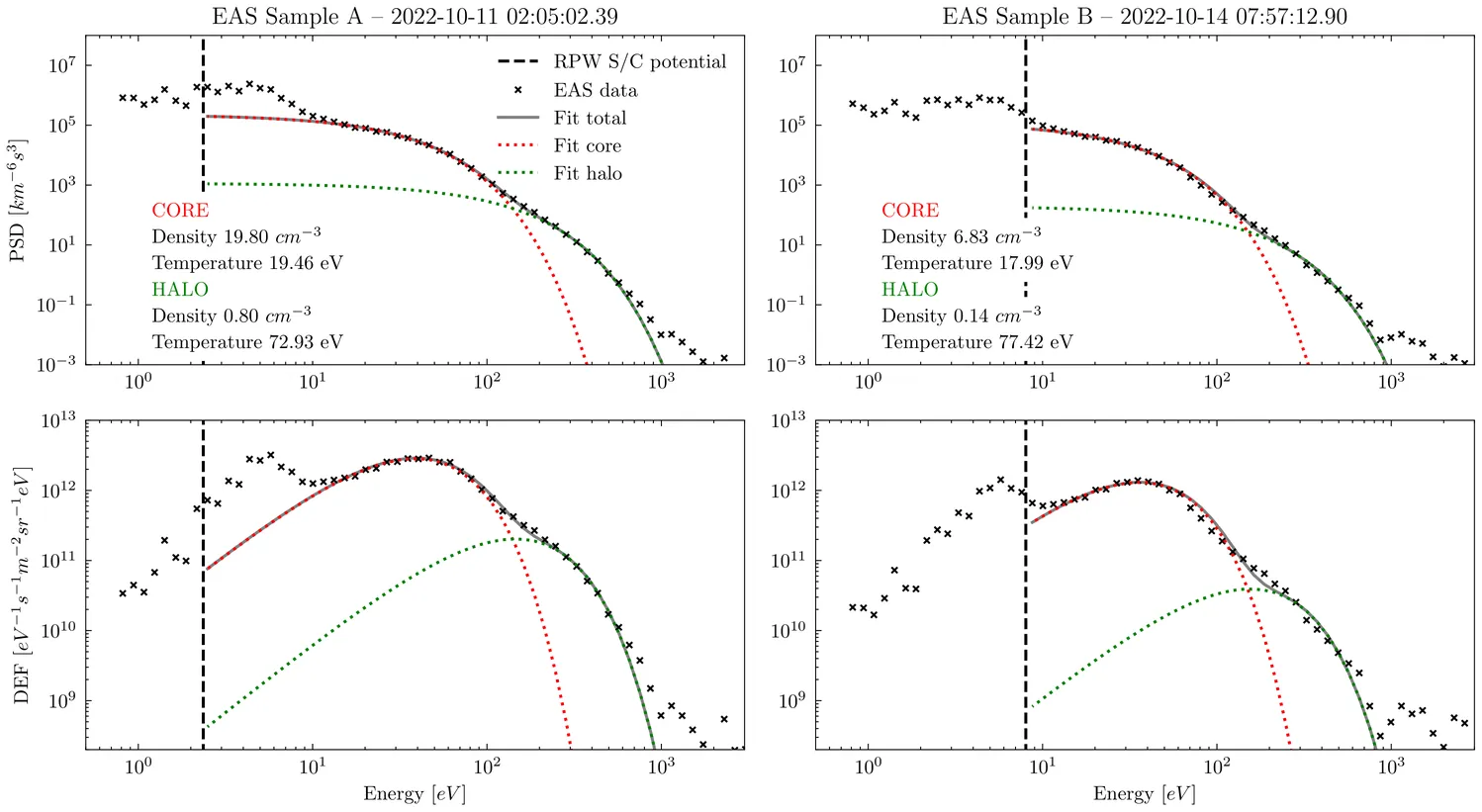
Thermal electron measurements in space plasmas typically suffer at low energies from spacecraft emissions of photo- and secondary electrons and from charging of the spacecraft body. We examine these effects by use of numerical simulations in the context of electron measurements acquired by the Electron Analyser System (SWA-EAS) on board the Solar Orbiter mission. We employed the Spacecraft Plasma Interaction Software to model the interaction of the Solar Orbiter spacecraft with solar wind plasma and we implemented a virtual detector to simulate the measured electron energy spectra as observed in situ by the SWA-EAS experiment. Numerical simulations were set according to the measured plasma conditions at 0.3~AU. We derived the simulated electron energy spectra as detected by the virtual SWA-EAS experiment for different electron populations and compared these with both the initial plasma conditions and the corresponding real SWA-EAS data samples. We found qualitative agreement between the simulated and real data observed in situ by the SWA-EAS detector. Contrary to other space missions, the contamination by cold electrons emitted from the spacecraft is seen well above the spacecraft potential energy threshold. A detailed analysis of the simulated electron energy spectra demonstrates that contamination above the threshold is a result of cold electron fluxes emitted from distant spacecraft surfaces. The relative position of the break in the simulated spectrum with respect to the spacecraft potential slightly deviates from that in the real observations. This may indicate that the real potential of the SWA-EAS detector with respect to ambient plasma differs from the spacecraft potential value measured on board. The overall contamination is shown to be composed of emissions from a number of different sources and their relative contribution varies with the ambient plasma conditions.
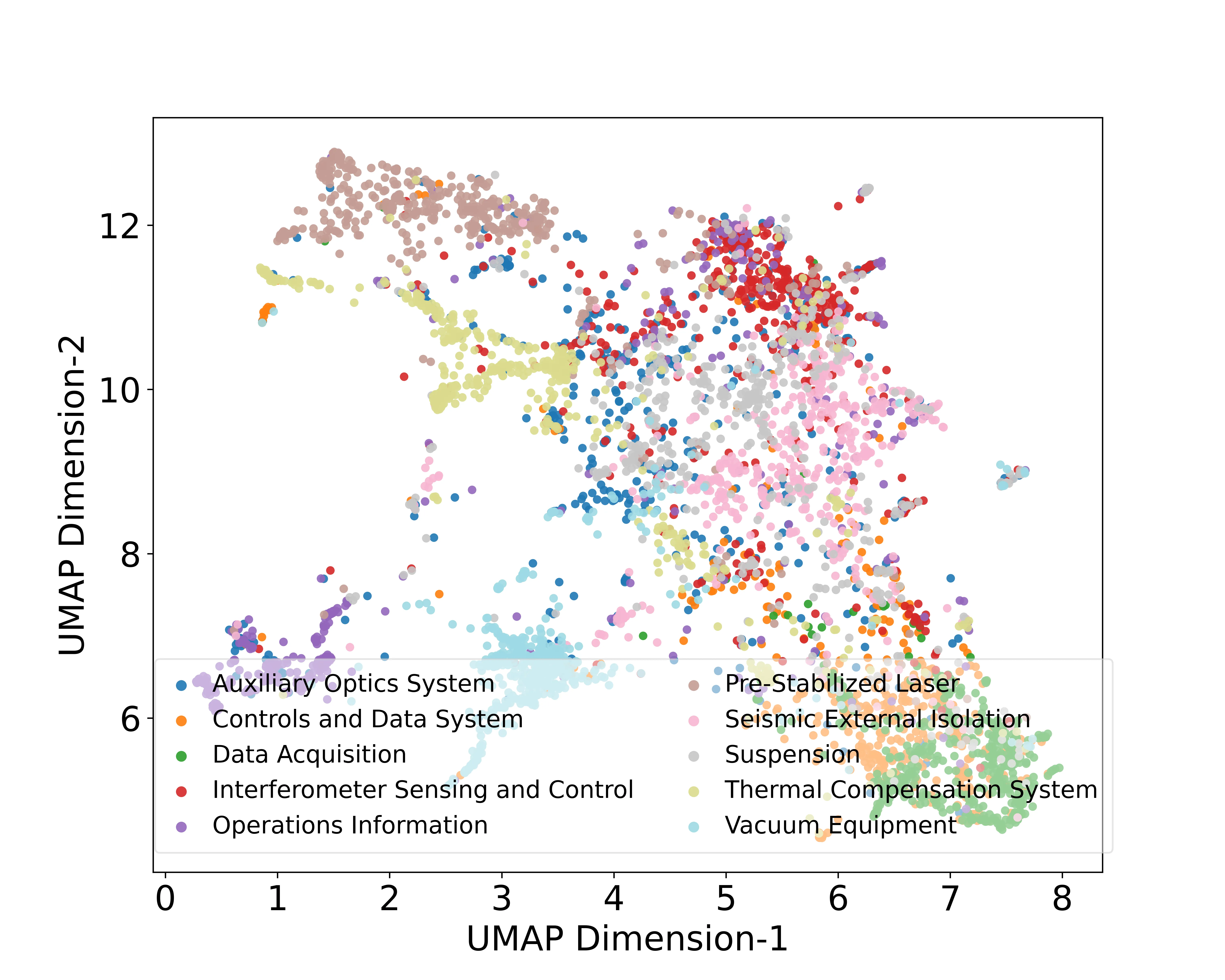
We present MARVEL (https://ligogpt.mit.edu/marvel), a locally deployable, open-source framework for domain-aware question answering and assisted scientific research. It is designed to address the increasing demands of a digital assistant for scientific groups that can read highly technical data, cite precisely, and operate within authenticated networks. MARVEL combines a fast path for straightforward queries with a more deliberate DeepSearch mode that integrates retrieval-augmented generation and Monte Carlo Tree Search. It explores complementary subqueries, allocates more compute to promising branches, and maintains a global evidence ledger that preserves sources during drafting. We applied this framework in the context of gravitational-wave research related to the Laser Interferometer Gravitational-wave Observatory. Answers are grounded in a curated semantic index of research literature, doctoral theses, LIGO documents, and long-running detector electronic logbooks, with targeted web searches when appropriate. Because direct benchmarking against commercial LLMs cannot be performed on private data, we evaluated MARVEL on two publicly available surrogate datasets that capture comparable semantic and technical characteristics. On these benchmarks, MARVEL matches a GPT-4o mini baseline on literature-centric queries and substantially outperforms it on detector-operations content, where domain retrieval and guided reasoning are decisive. By making the complete framework and evaluation datasets openly available, we aim to provide a reproducible foundation for developing domain-specific scientific assistants.
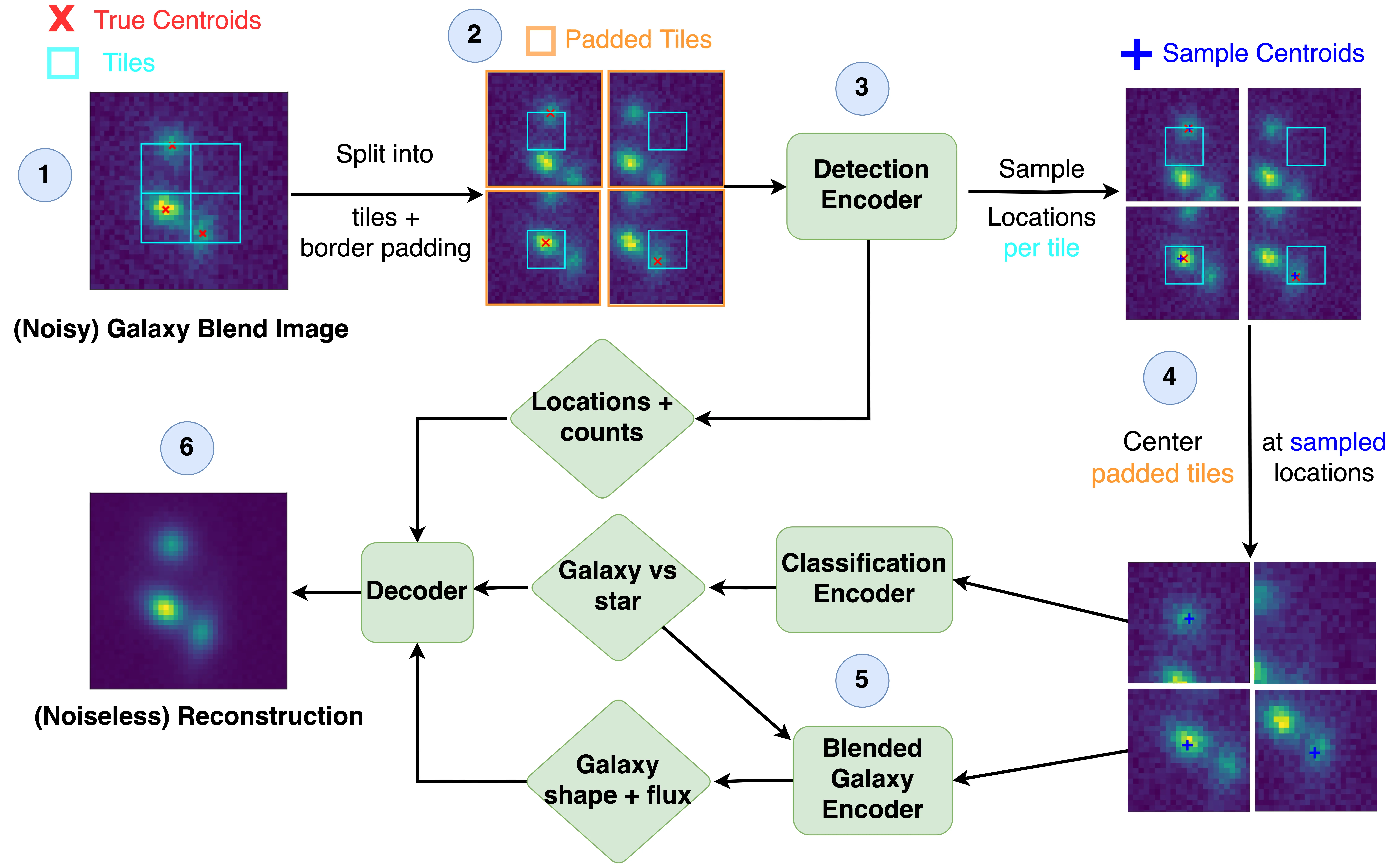
Stage-IV dark energy wide-field surveys, such as the Vera C. Rubin Observatory Legacy Survey of Space and Time (LSST), will observe an unprecedented number density of galaxies. As a result, the majority of imaged galaxies will visually overlap, a phenomenon known as blending. Blending is expected to be a leading source of systematic error in astronomical measurements. To mitigate this systematic, we propose a new probabilistic method for detecting, deblending, and measuring the properties of galaxies, called the Bayesian Light Source Separator (BLISS). Given an astronomical survey image, BLISS uses convolutional neural networks to produce a probabilistic astronomical catalog by approximating the posterior distribution over the number of light sources, their centroids' locations, and their types (galaxy vs. star). BLISS additionally includes a denoising autoencoder to reconstruct unblended galaxy profiles. As a first step towards demonstrating the feasibility of BLISS for cosmological applications, we apply our method to simulated single-band images whose properties are representative of year-10 LSST coadds. First, we study each BLISS component independently and examine its probabilistic output as a function of SNR and degree of blending. Then, by propagating the probabilistic detections from BLISS to its deblender, we produce per-object flux posteriors. Using these posteriors yields a substantial improvement in aperture flux residuals relative to deterministic detections alone, particularly for highly blended and faint objects. These results highlight the potential of BLISS as a scalable, uncertainty-aware tool for mitigating blending-induced systematics in next-generation cosmological surveys.
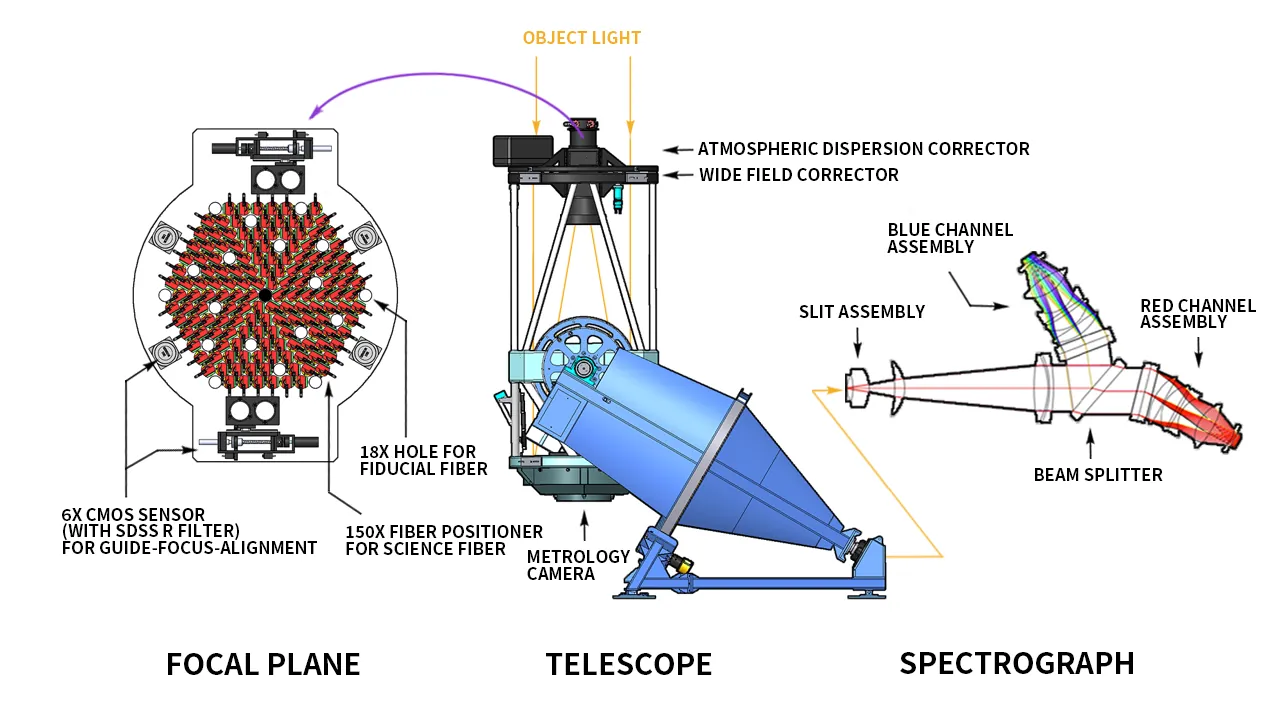
We present a new fiber assignment algorithm for a robotic fiber positioner system in multi-object spectroscopy. Modern fiber positioner systems typically have overlapping patrol regions, resulting in the number of observable targets being highly dependent on the fiber assignment scheme. To maximize observable targets without fiber collisions, the algorithm proceeds in three steps. First, it assigns the maximum number of targets for a given field of view without considering any collisions between fiber positioners. Then, the fibers in collision are grouped, and the algorithm finds the optimal solution resolving the collision problem within each group. We compare the results from this new algorithm with those from a simple algorithm that assigns targets in descending order of their rank by considering collisions. As a result, we could increase the overall completeness of target assignments by 10% with this new algorithm in comparison with the case using the simple algorithm in a field with 150 fibers. Our new algorithm is designed for the All-sky SPECtroscopic survey of nearby galaxies (A-SPEC) based on the K-SPEC spectrograph system, but can also be applied to similar fiber-based systems with heavily overlapping fiber positioners.
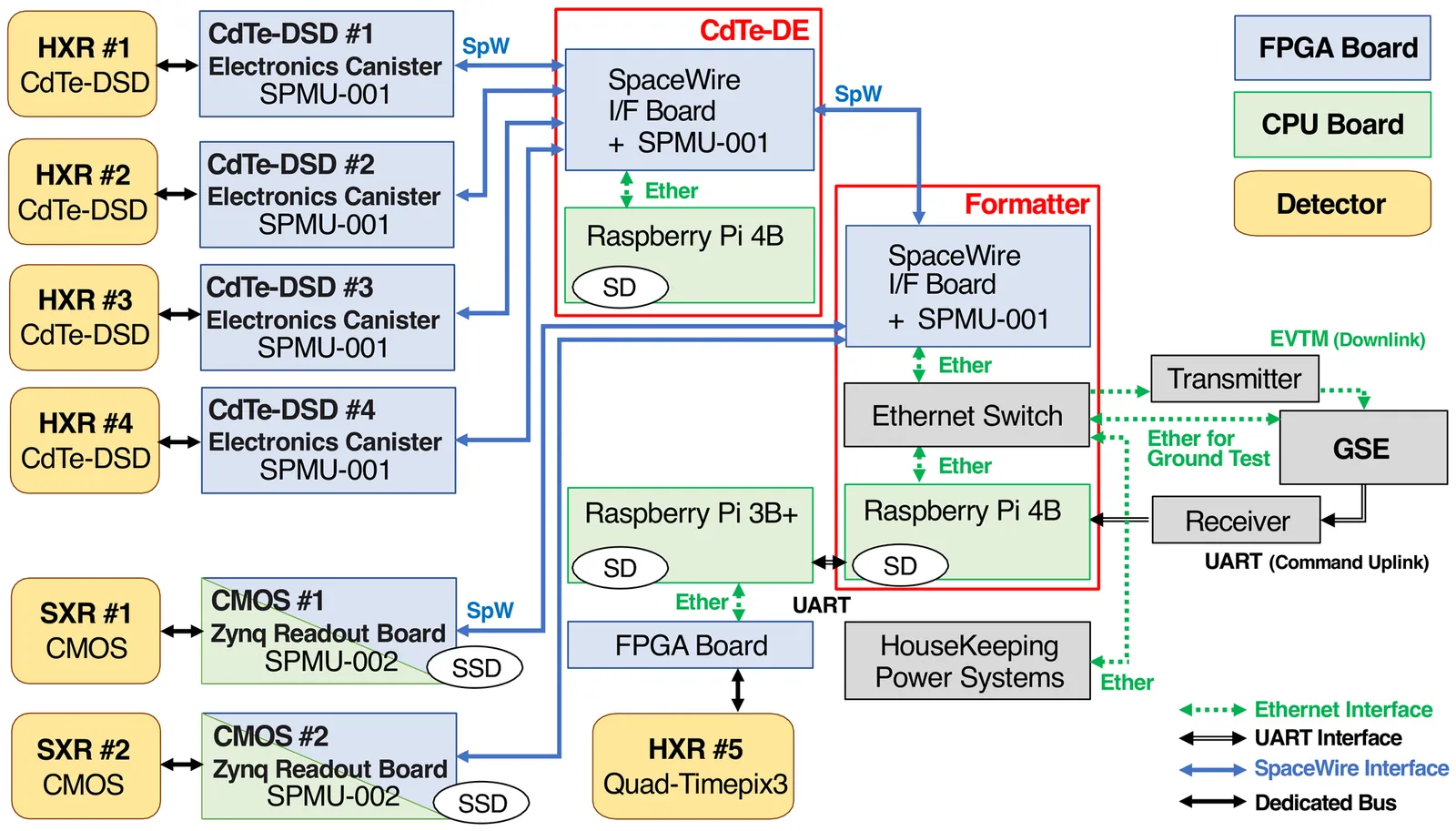
We developed a SpaceWire-based data acquisition (DAQ) system for the FOXSI-4 and FOXSI-5 sounding rocket experiments, which aim to observe solar flares with high sensitivity and dynamic range using direct X-ray focusing optics. The FOXSI-4 mission, launched on April 17, 2024, achieved the first direct focusing observation of a GOES M1.6 class solar flare with imaging spectroscopy capabilities in the soft and hard X-ray energy ranges, using a suite of advanced detectors, including two CMOS sensors, four CdTe double-sided strip detectors (CdTe-DSDs), and a Quad-Timepix3 detector. To accommodate the high photon flux from a solar flare and these diverse detector types, a modular DAQ network architecture was implemented based on SpaceWire and the Remote Memory Access Protocol (RMAP). This modular architecture enabled fast, reliable, and scalable communication among various onboard components, including detectors, readout boards, onboard computers, and telemetry systems. In addition, by standardizing the communication interface and modularizing each detector unit and its associated electronics, the architecture also supported distributed development among collaborating institutions, simplifying integration and reducing overall complexity. To realize this architecture, we developed FPGA-based readout boards (SPMU-001 and SPMU-002) that support SpaceWire communication for high-speed data transfer and flexible instrument control. In addition, a real-time ground support system was developed to handle telemetry and command operations during flight, enabling live monitoring and adaptive configuration of onboard instruments in response to the properties of the observed solar flare. The same architecture is being adopted for the upcoming FOXSI-5 mission, scheduled for launch in 2026.

Experiments designed to detect ultra-high energy (UHE) neutrinos using radio techniques are also capable of detecting the radio signals from cosmic-ray (CR) induced air showers. These CR signals are important both as a background and as a tool for calibrating the detector. The Askaryan Radio Array (ARA), a radio detector array, is designed to detect UHE neutrinos. The array currently comprises five independent stations, each instrumented with antennas deployed at depths of up to 200 meters within the ice at the South Pole. In this study, we focus on a candidate event recorded by ARA Station 2 (A2) that shows features consistent with a downward-going CR-induced air shower. This includes distinctive double-pulse signals in multiple channels, interpreted as geomagnetic and Askaryan radio emissions arriving at the antennas in sequence. To investigate this event, we use detailed simulations that combine a modern ice-impacting CR shower simulation framework, FAERIE, with a realistic detector simulation package, AraSim. We will present results for an optimization of the event topology, identified through simulated CR showers, comparing the vertex reconstruction of both the geomagnetic and Askaryan signals of the event, as well as the observed time delays between the two signals in each antenna.
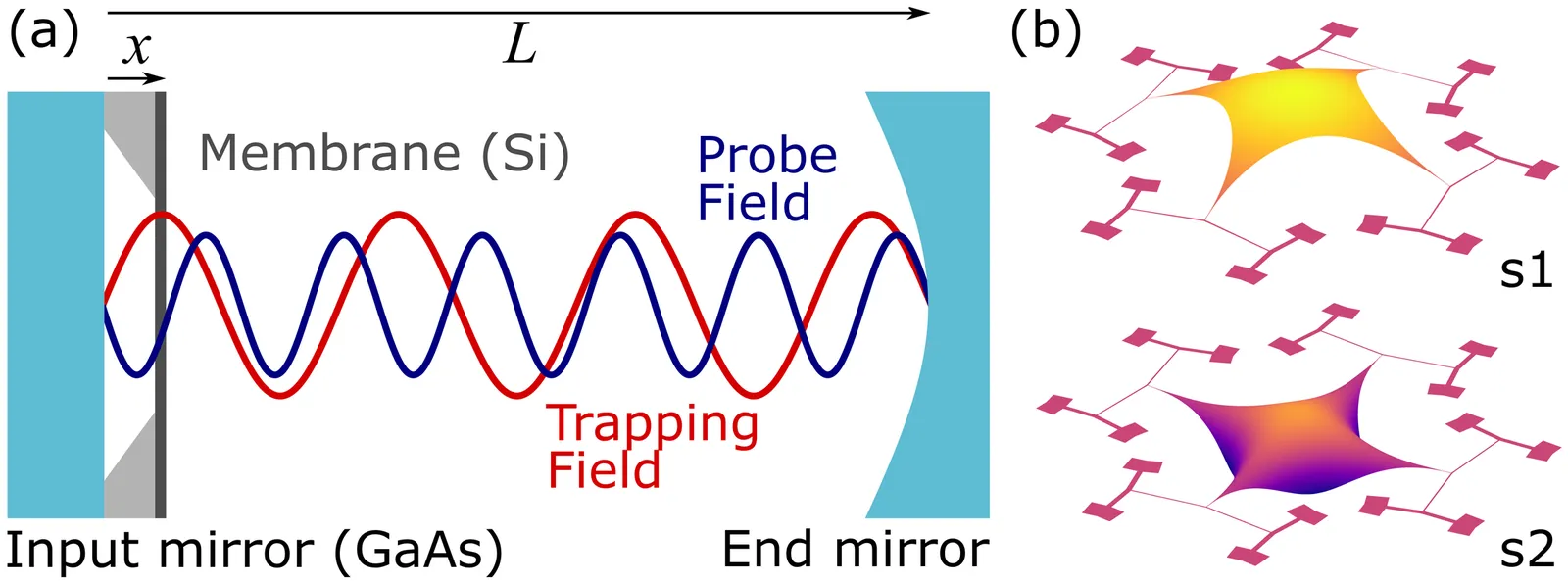
We present a proposal for a nanomechanical membrane resonator integrated into a moderate-finesse ($\mathcal{F}\sim 10$) optical cavity as a versatile platform for detecting high-frequency gravitational waves and vector dark matter. Gravitational-wave sensitivity arises from cavity-length modulation, which resonantly drives membrane motion via the radiation-pressure force. This force also enables in situ tuning of the membrane's resonance frequency by nearly a factor of two, allowing a frequency coverage from 0.5 to 40 kHz using six membranes. The detector achieves a peak strain sensitivity of $2\times 10^{-23}/\sqrt{\text{Hz}}$ at 40 kHz. Using a silicon membrane positioned near a gallium-arsenide input mirror additionally provides sensitivity to vector dark matter via differential acceleration from their differing atomic-to-mass number ratios. The projected reach surpasses the existing limits in the range of $2\times 10^{-12}$ to $2\times 10^{-10}$ $\text{eV}/c^2$ for a one-year measurement. Consequently, the proposed detector offers a unified approach to searching for physics beyond the Standard Model, probing both high-frequency gravitational waves and vector dark matter.
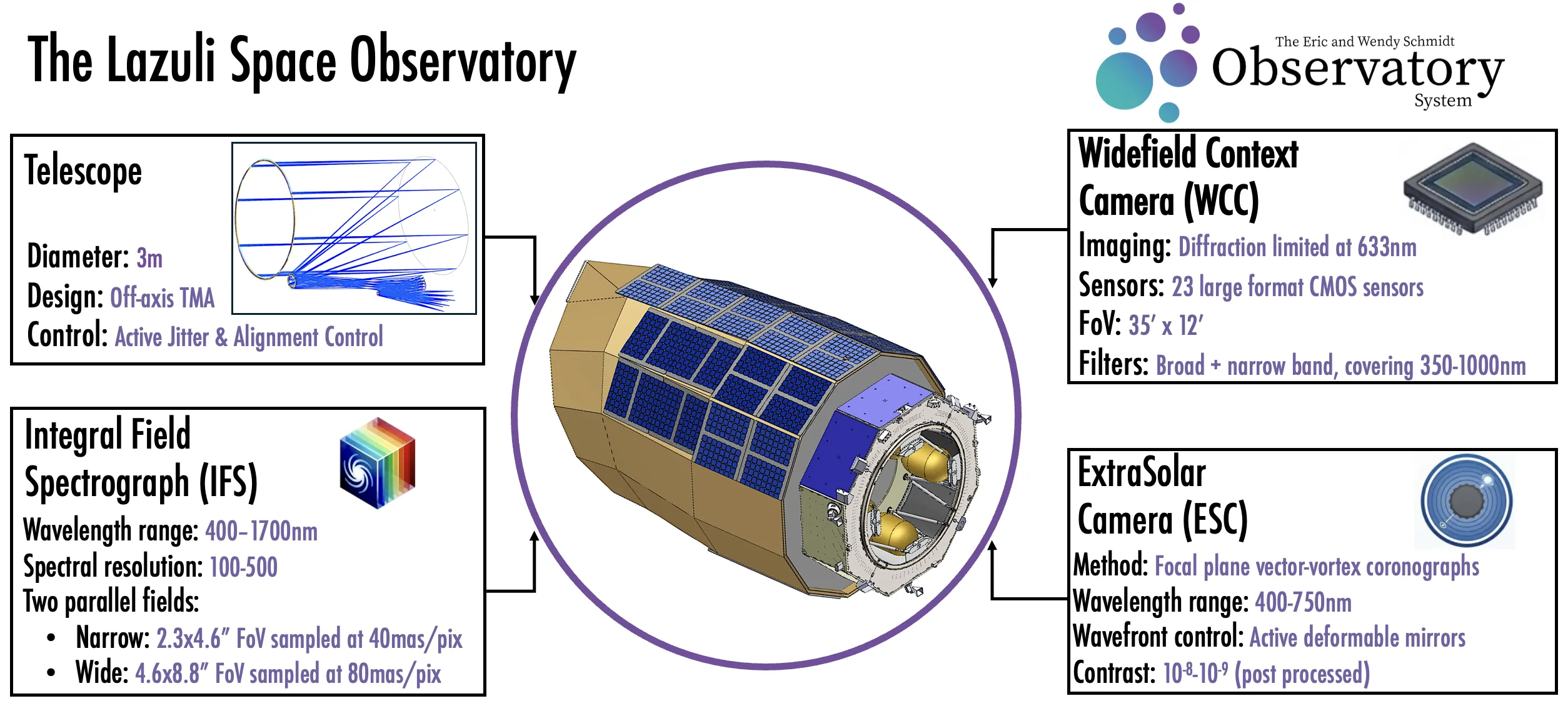
The Lazuli Space Observatory is a 3-meter aperture astronomical facility designed for rapid-response observations and precision astrophysics across visible to near-infrared wavelengths (400-1700 nm bandpass). An off-axis, freeform telescope delivers diffraction-limited image quality (Strehl $>$0.8 at 633 nm) to three instruments across a wide, flat focal plane. The three instruments provide complementary capabilities: a Wide-field Context Camera (WCC) delivers multi-band imaging over a 35' $\times$ 12' footprint with high-cadence photometry; an Integral Field Spectrograph (IFS) provides continuous 400-1700 nm spectroscopy at R $\sim$ 100-500 for stable spectrophotometry; and an ExtraSolar Coronagraph (ESC) enables high-contrast imaging expected to reach raw contrasts of $10^{-8}$ and post-processed contrasts approaching $10^{-9}$. Operating from a 3:1 lunar-resonant orbit, Lazuli will respond to targets of opportunity in under four hours--a programmatic requirement designed to enable routine temporal responsiveness that is unprecedented for a space telescope of this size. Lazuli's technical capabilities are shaped around three broad science areas: (1) time-domain and multi-messenger astronomy, (2) stars and planets, and (3) cosmology. These capabilities enable a potent mix of science spanning gravitational wave counterpart characterization, fast-evolving transients, Type Ia supernova cosmology, high-contrast exoplanet imaging, and spectroscopy of exoplanet atmospheres. While these areas guide the observatory design, Lazuli is conceived as a general-purpose facility capable of supporting a wide range of astrophysical investigations, with open time for the global community. We describe the observatory architecture and capabilities in the preliminary design phase, with science operations anticipated following a rapid development cycle from concept to launch.
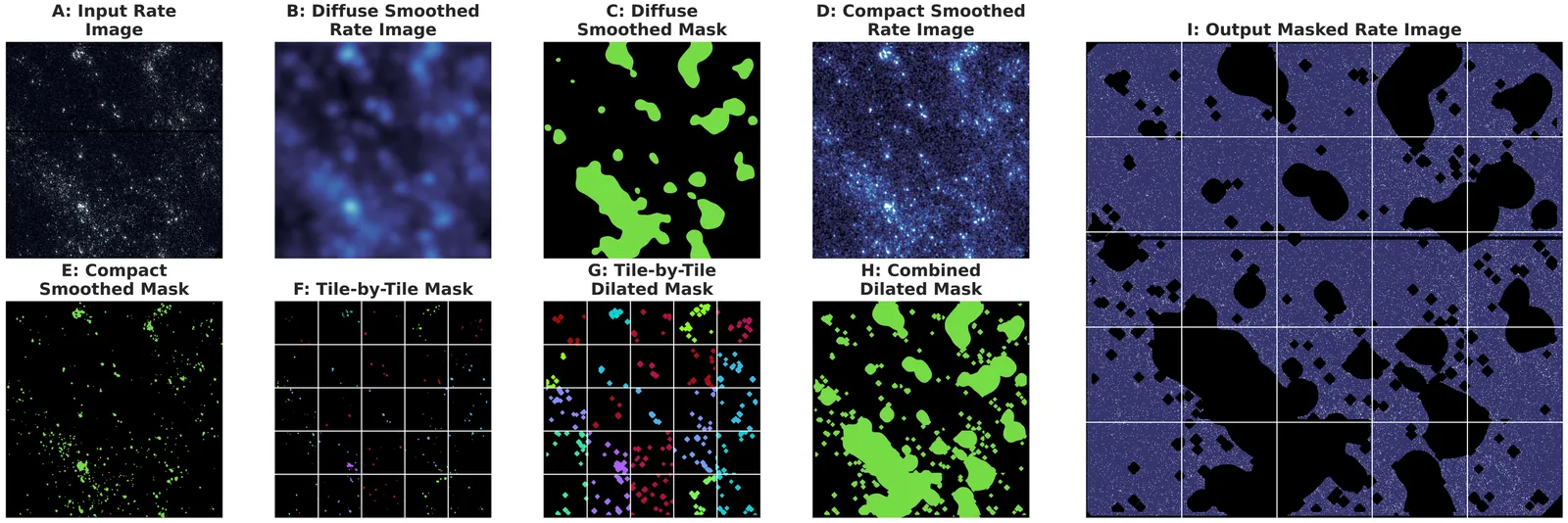
We have used 23 years of Hubble Space Telescope ACS/SBC data to study what background levels are encountered in practice and how much they vary. The backgrounds vary considerably, with F115LP, F122M, F125LP, PR110L, and PR130L all showing over an order of magnitude of variation in background between observations, apparently due to changes in airglow. The F150LP and F165LP filters, which are dominated by dark rate, not airglow, exhibit a far smaller variation in backgrounds. For the filters where the background is generally dominated by airglow, the backgrounds measured from the data are significantly lower than what the ETC predicts (as of ETC v33.2). The ETC predictions for `average' airglow are greater than the median of our measured background values by factors of 2.51, 2.64, 105, and 3.64, for F115LP, F122M, F125LP, and F140LP, respectively. A preliminary analysis suggests this could be due to certain OI airglow lines usually being fainter than expected by the ETC. With reduced reduced background levels, the shorter-wavelength SBC filters can conduct background-limited observations much more rapidly than had previously been expected. As of ETC v34.1, a new option will be included for SBC calculations, allowing users to employ empirical background percentiles to estimate required exposure times.
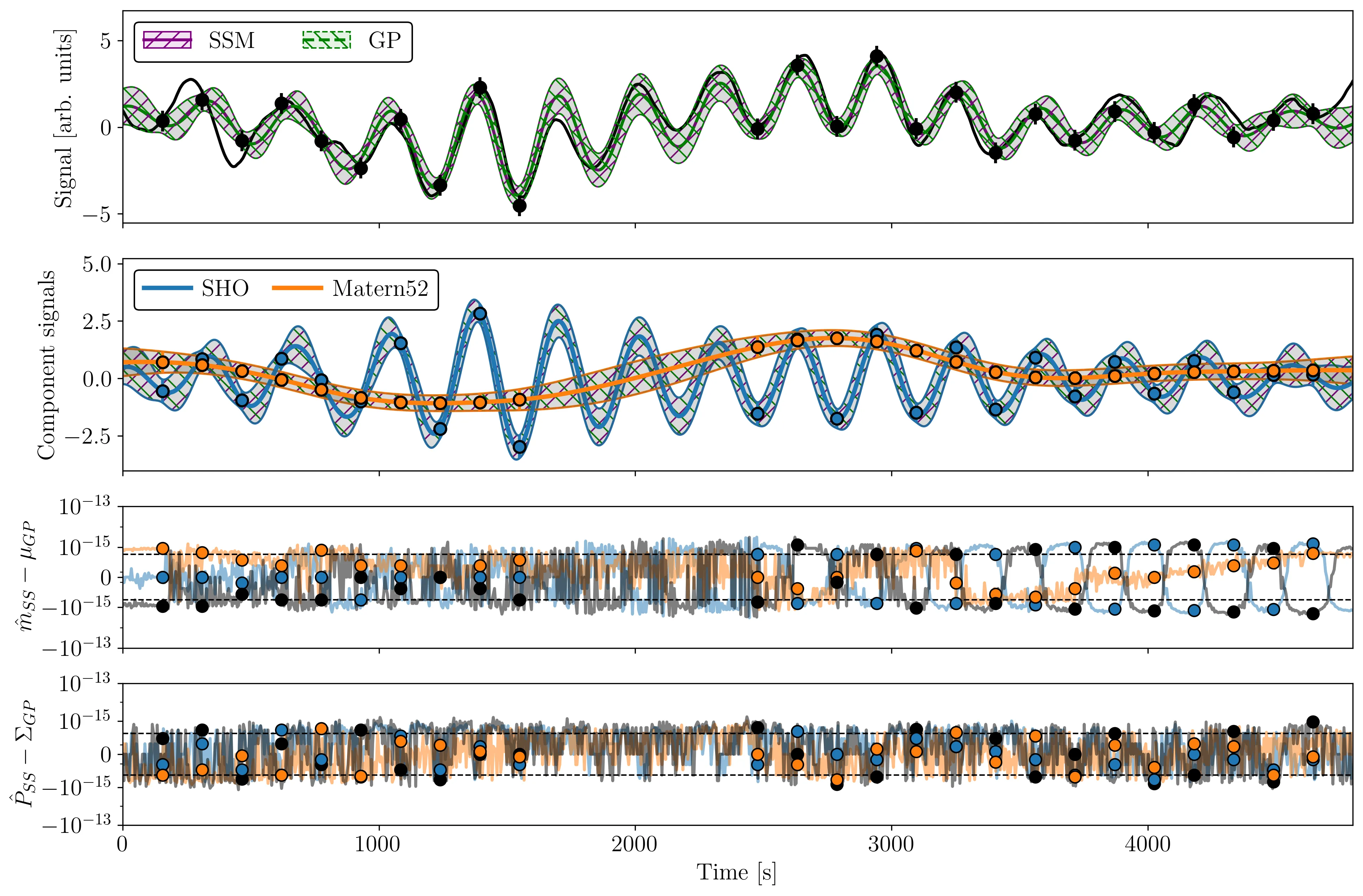
Astronomical measurements are often integrated over finite exposures, which can obscure latent variability on comparable timescales. Correctly accounting for exposure integration with Gaussian Processes (GPs) in such scenarios is essential but computationally challenging: once exposure times vary or overlap across measurements, the covariance matrix forfeits any quasiseparability, forcing O($N^2$) memory and O($N^3$) runtime costs. Linear Gaussian state space models (SSMs) are equivalent to GPs and have well-known O($N$) solutions via the Kalman filter and RTS smoother. In this work, we extend the GP-SSM equivalence to handle integrated measurements while maintaining scalability by augmenting the SSM with an integral state that resets at exposure start times and is observed at exposure end times. This construction yields exactly the same posterior as a fully integrated GP but in O($N$) time on a CPU, and is parallelizable down to O($N/T + \log T$) on a GPU with $T$ parallel workers. We present smolgp (State space Model for O(Linear/log) GPs), an open-source Python/JAX package offering drop-in compatibiltiy with tinygp while supporting both standard and exposure-aware GP modeling. As SSMs provide a framework for representing general GP kernels via their series expansion, smolgp also brings scalable performance to many commonly used covariance kernels in astronomy that lack quasiseparability, such as the quasiperiodic kernel. The substantial performance boosts at large $N$ will enable massive multi-instrument cross-comparisons where exposure overlap is ubiquitous, and unlocks the potential for analyses with more complex models and/or higher dimensional datasets.
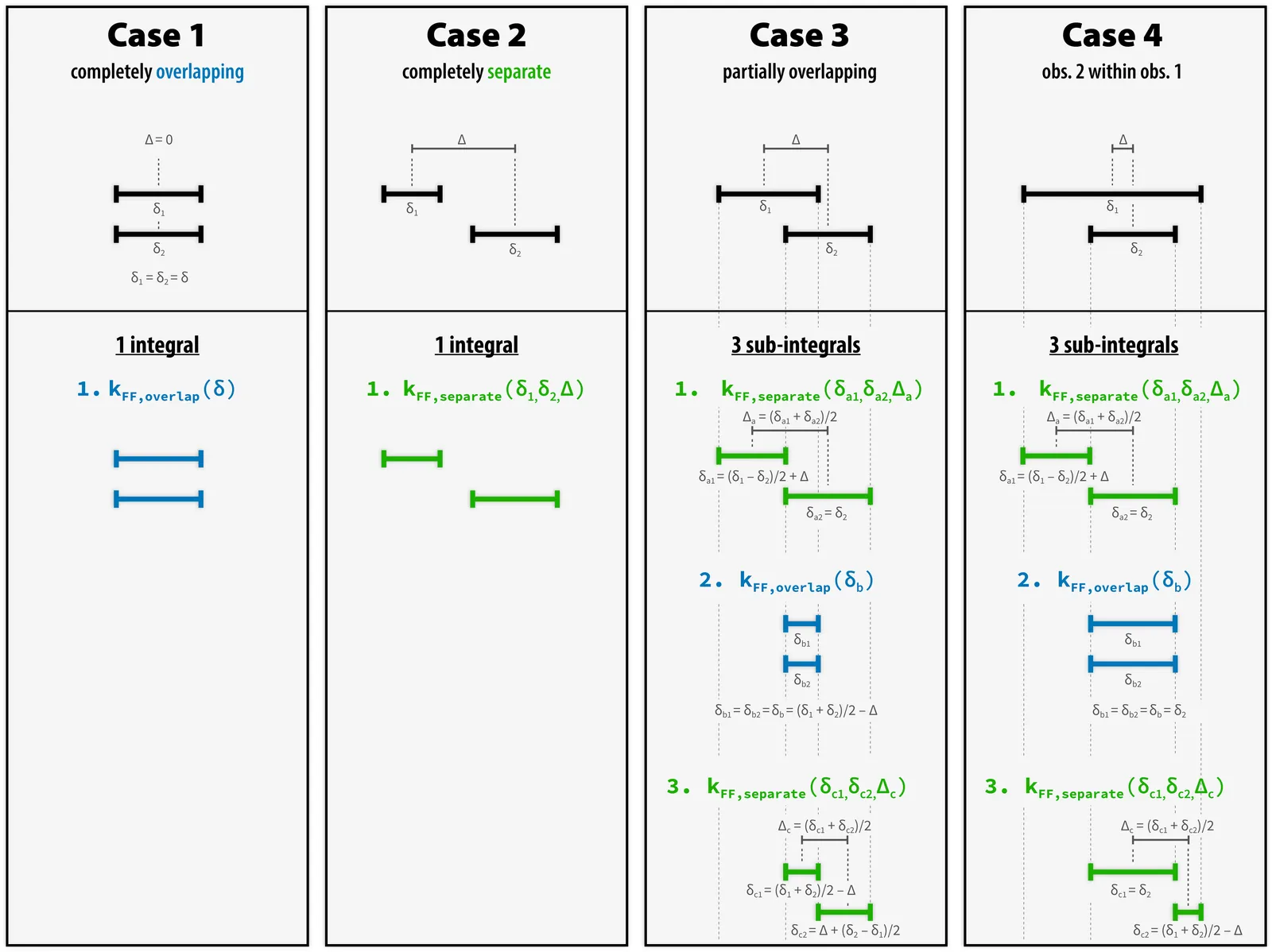
Physically motivated Gaussian process (GP) kernels for stellar variability, like the commonly used damped, driven simple harmonic oscillators that model stellar granulation and p-mode oscillations, quantify the instantaneous covariance between any two points. For kernels whose timescales are significantly longer than the typical exposure times, such GP kernels are sufficient. For time series where the exposure time is comparable to the kernel timescale, the observed signal represents an exposure-averaged version of the true underlying signal. This distinction is important in the context of recent data streams from Extreme Precision Radial Velocity (EPRV) spectrographs like fast readout stellar data of asteroseismology targets and solar data to monitor the Sun's variability during daytime observations. Current solar EPRV facilities have significantly different exposure times per-site, owing to the different design choices made. Consequently, each instrument traces different binned versions of the same "latent" signal. Here we present a GP framework that accounts for exposure times by computing integrated forms of the instantaneous kernels typically used. These functions allow one to predict the true latent oscillation signals and the exposure-binned version expected by each instrument. We extend the framework to work for instruments with significant time overlap (i.e., similar longitude) by including relative instrumental drift components that can be predicted and separated from the stellar variability components. We use Sun-as-a-star EPRV datasets as our primary example, but present these approaches in a generalized way for application to any dataset where exposure times are a relevant factor or combining instruments with significant overlap.
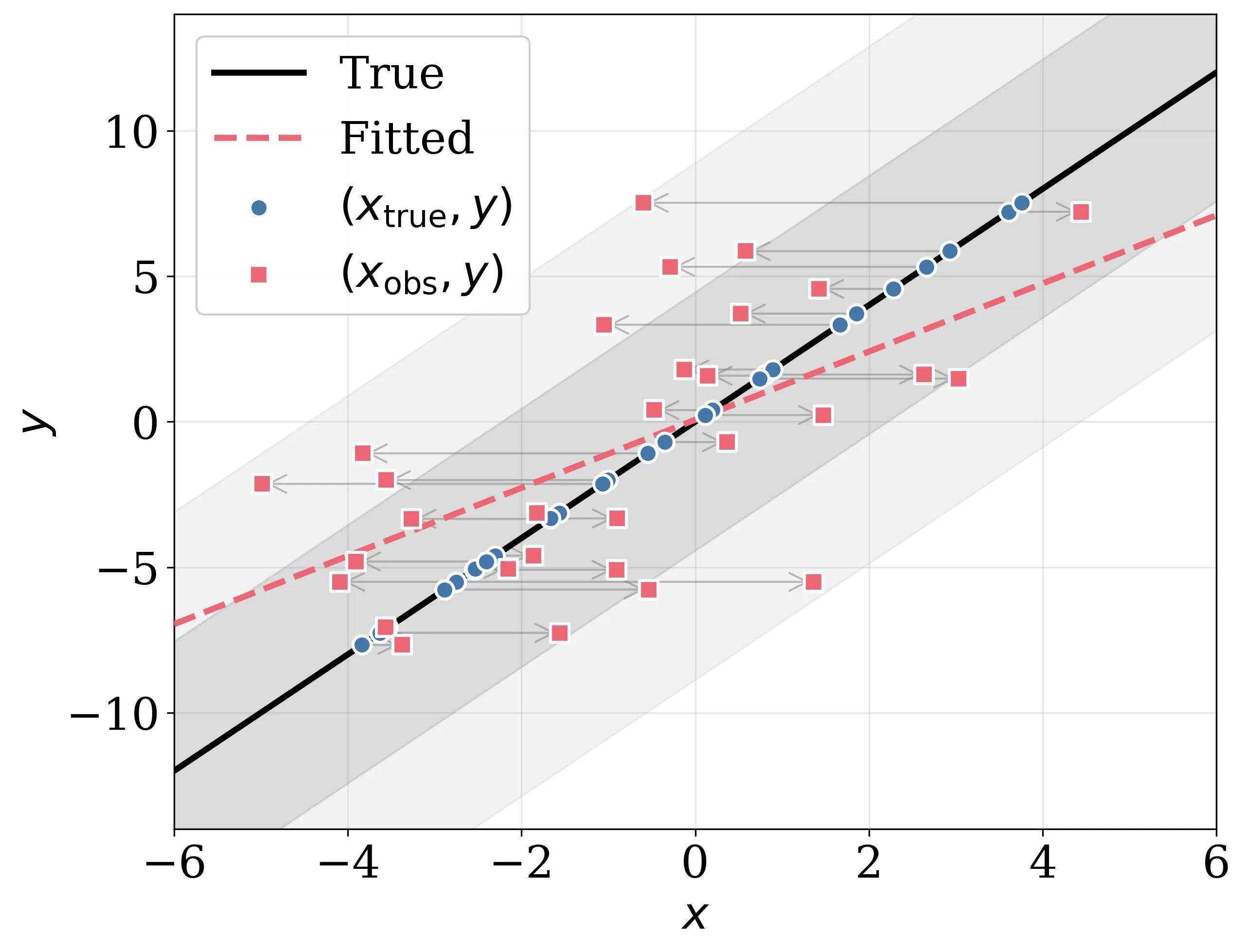
Attenuation bias -- the systematic underestimation of regression coefficients due to measurement errors in input variables -- affects astronomical data-driven models. For linear regression, this problem was solved by treating the true input values as latent variables to be estimated alongside model parameters. In this paper, we show that neural networks suffer from the same attenuation bias and that the latent variable solution generalizes directly to neural networks. We introduce LatentNN, a method that jointly optimizes network parameters and latent input values by maximizing the joint likelihood of observing both inputs and outputs. We demonstrate the correction on one-dimensional regression, multivariate inputs with correlated features, and stellar spectroscopy applications. LatentNN reduces attenuation bias across a range of signal-to-noise ratios where standard neural networks show large bias. This provides a framework for improved neural network inference in the low signal-to-noise regime characteristic of astronomical data. This bias correction is most effective when measurement errors are less than roughly half the intrinsic data range; in the regime of very low signal-to-noise and few informative features. Code is available at https://github.com/tingyuansen/LatentNN.
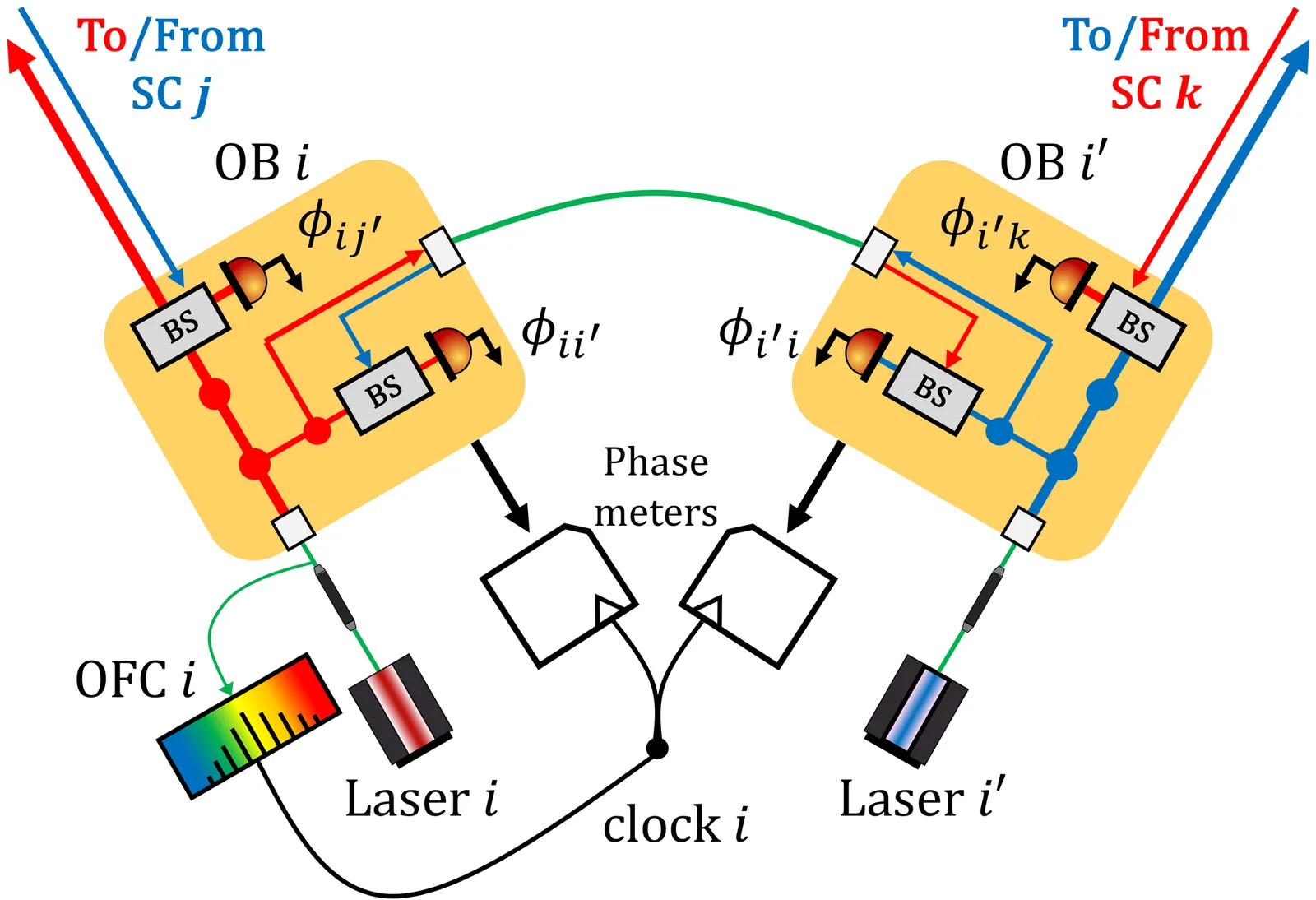
Spaceborne gravitational wave observatories, exemplified by the Laser Interferometer Space Antenna (LISA) mission, are designed to remove laser noise and clock noise from interferometric phase measurements in postprocessing. The planned observatories will utilize electro-optic modulators (EOMs) to encode the onboard clock timing onto the beam phase. Recent research has demonstrated the advantage of introducing an optical frequency comb (OFC) in the metrology system with the modified framework of time-delay interferometry (TDI): the removal of the EOM and the simultaneous suppression of the stochastic jitter of the laser and the clock in the observation band. In this paper, we explore an alternative approach with the OFC-based metrology system. We report that after proper treatment, it is possible to use the measured carrier-carrier heterodyne frequencies to monitor the time derivative of the pseudoranges, which represent the physical light travel time and the clock difference. This approach does not require changing the existing TDI framework, as previous OFC based efforts did. We also present the experimental demonstration of our scheme using two separate systems to model two spacecraft. Using this novel approach, we synchronize the two independent phase measurement systems with an accuracy better than 0.47 ns, while the stochastic jitter in the observation band is suppressed down to the setup sensitivity around the LISA performance levels at 15 pm/sqrt(Hz).
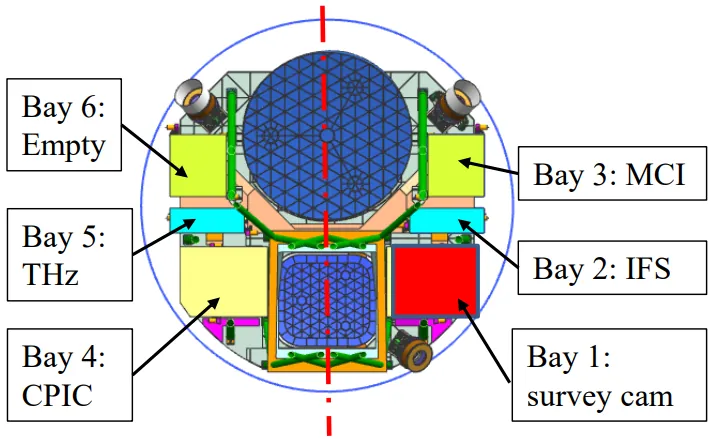
The Chinese Space Station Survey Telescope (CSST) is a flagship space-based observatory. Its main survey camera is designed to conduct high spatial resolution near-ultraviolet to near-infrared imaging and low-resolution spectroscopic surveys. To maximize the scientific output of CSST, we have developed a comprehensive, high-fidelity simulation pipeline for reproducing both imaging and spectroscopic observations. This paper presents an overview of the simulation framework, detailing its implementation and components. Built upon the GalSim package and incorporating the latest CSST instrumental specifications, our pipeline generates pixel-level mock observations that closely replicate the expected instrumental and observational conditions. The simulation suite integrates realistic astrophysical object catalogs, instrumental effects, point spread function (PSF) modeling, and observational noises to produce accurate synthetic data. We describe the key processing stages of the simulation, from constructing the input object catalogs to modeling the telescope optics and detector responses. Furthermore, we introduce the most recent release of simulated datasets, which provide a crucial testbed for data processing pipeline developments, calibration strategies, and scientific analyses, ensuring that CSST will meet its stringent requirements. Our pipeline serves as a vital tool for optimizing CSST main survey strategies and ensuring robust cosmological measurements.
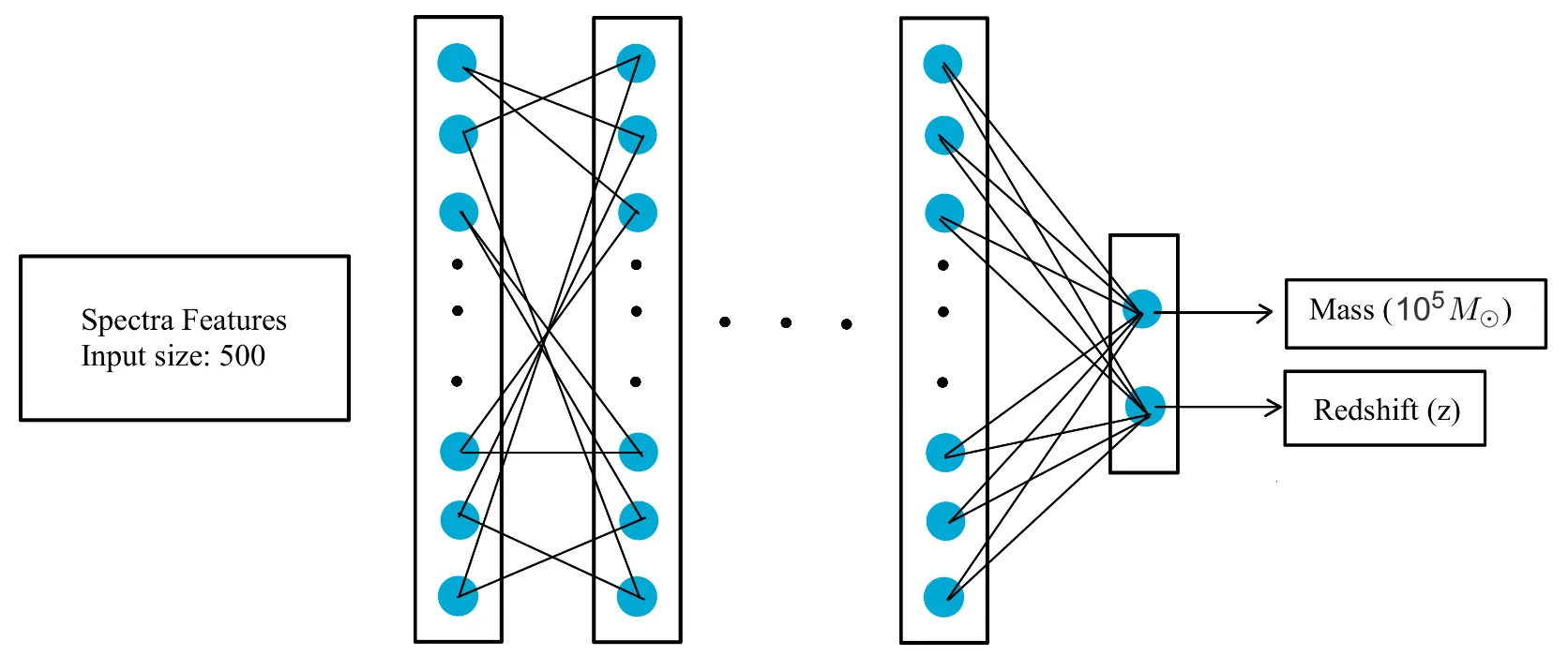
Some of the first stars in the Universe might be powered by Dark Matter (DM) annihilations, rather than nuclear fusion. Those objects, i.e. Dark stars (DS), offer a unique window into understanding DM via the observational study of the formation and evolution of the first stars and their Black Hole (BH) remnants. In \cite{NNSMDSPhot} (Paper~I) we introduced a feedforward neural network (FFNN) trained on synthetic DS photometry in order to detect and characterize dark star {\it photometric} candidates in the early universe based on data taken with the NIRCam instrument onboard the James Webb Space Telescope (JWST). In this work we develop a FFNN trained on synthetic DS spectra in order to identify {\it spectroscopic} dark star candidates in the data taken with JWST's NIRSpec instrument. In order to validate our FFNN model we apply it to real data for the four spectroscopic Supermassive Dark Star (SMDS) candidates recently identified in \cite{ilie2025spectroscopicsupermassivedarkstar} and reconfirm that indeed \JADESeleven, \JADESzthirteen, \JADESfz, and \JADESfo have spectra that are consistent with those of Supermassive Dark Stars. The main advantage of our FFNN model, in comparison to the Nedleaer-Mead Monte Carlo parameter estimator used in \cite{ilie2025spectroscopicsupermassivedarkstar}, is that the approach introduced here predicts parameters in milliseconds, over 10,000 times faster than the traditional method used in \cite{ilie2025spectroscopicsupermassivedarkstar}. With this in mind, the FFNN model we developed and validated in this work will be adapted for Bayesian uncertainty analyses and automatic analyses of NIRSpec publicly available data for high redshift objects. This study establishes a robust and efficient tool for probing Dark Stars and understanding their role in cosmic evolution.
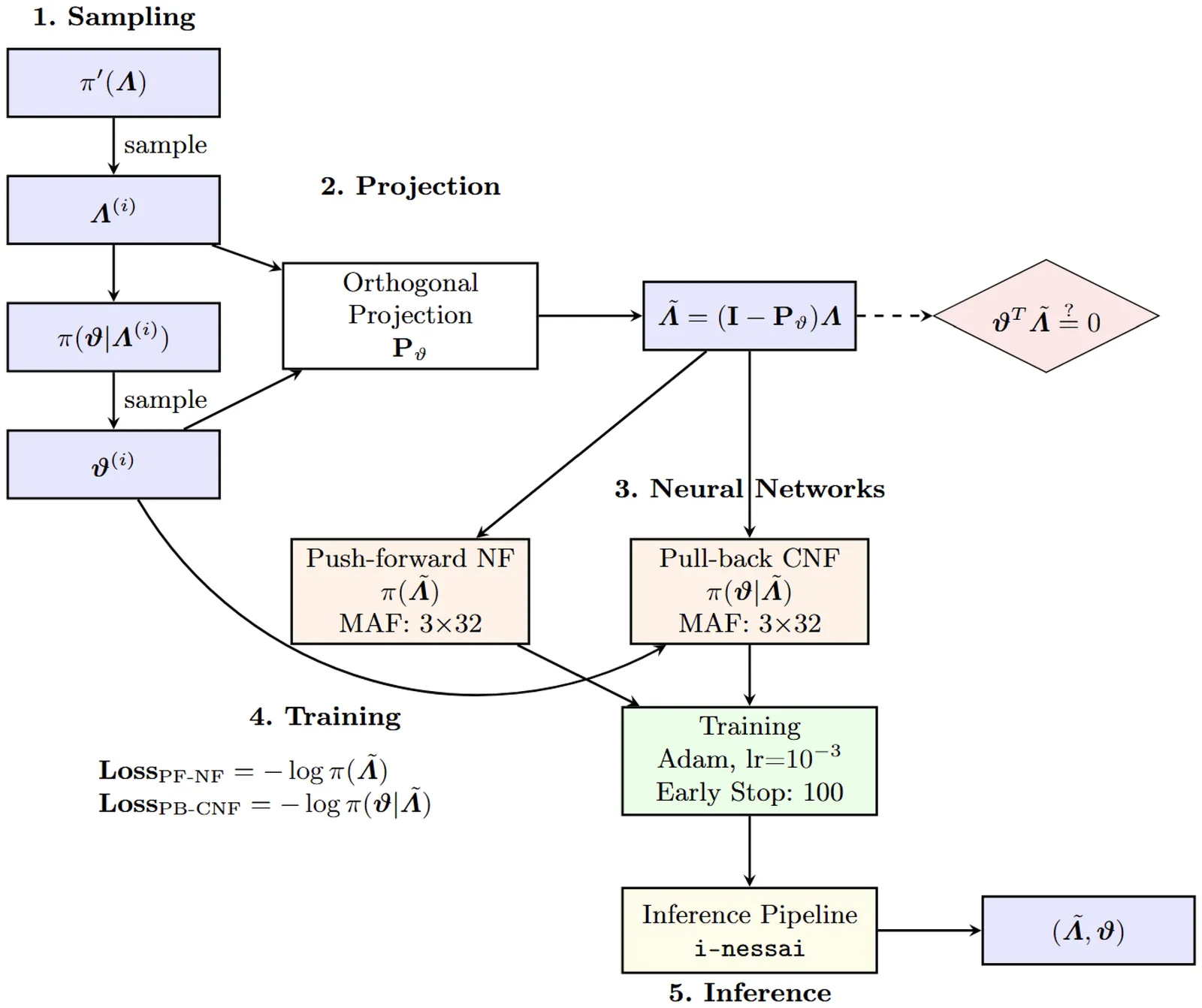
Complex inference tasks, such as those encountered in Pulsar Timing Array (PTA) data analysis, rely on Bayesian frameworks. The high-dimensional parameter space and the strong interdependencies among astrophysical, pulsar noise, and nuisance parameters introduce significant challenges for efficient learning and robust inference. These challenges are emblematic of broader issues in decision science, where model over-parameterization and prior sensitivity can compromise both computational tractability and the reliability of the results. We address these issues in the framework of hierarchical Bayesian modeling by introducing a reparameterization strategy. Our approach employs Normalizing Flows (NFs) to decorrelate the parameters governing hierarchical priors from those of astrophysical interest. The use of NF-based mappings provides both the flexibility to realize the reparametrization and the tractability to preserve proper probability densities. We further adopt i-nessai, a flow-guided nested sampler, to accelerate exploration of complex posteriors. This unified use of NFs improves statistical robustness and computational efficiency, providing a principled methodology for addressing hierarchical Bayesian inference in PTA analysis.
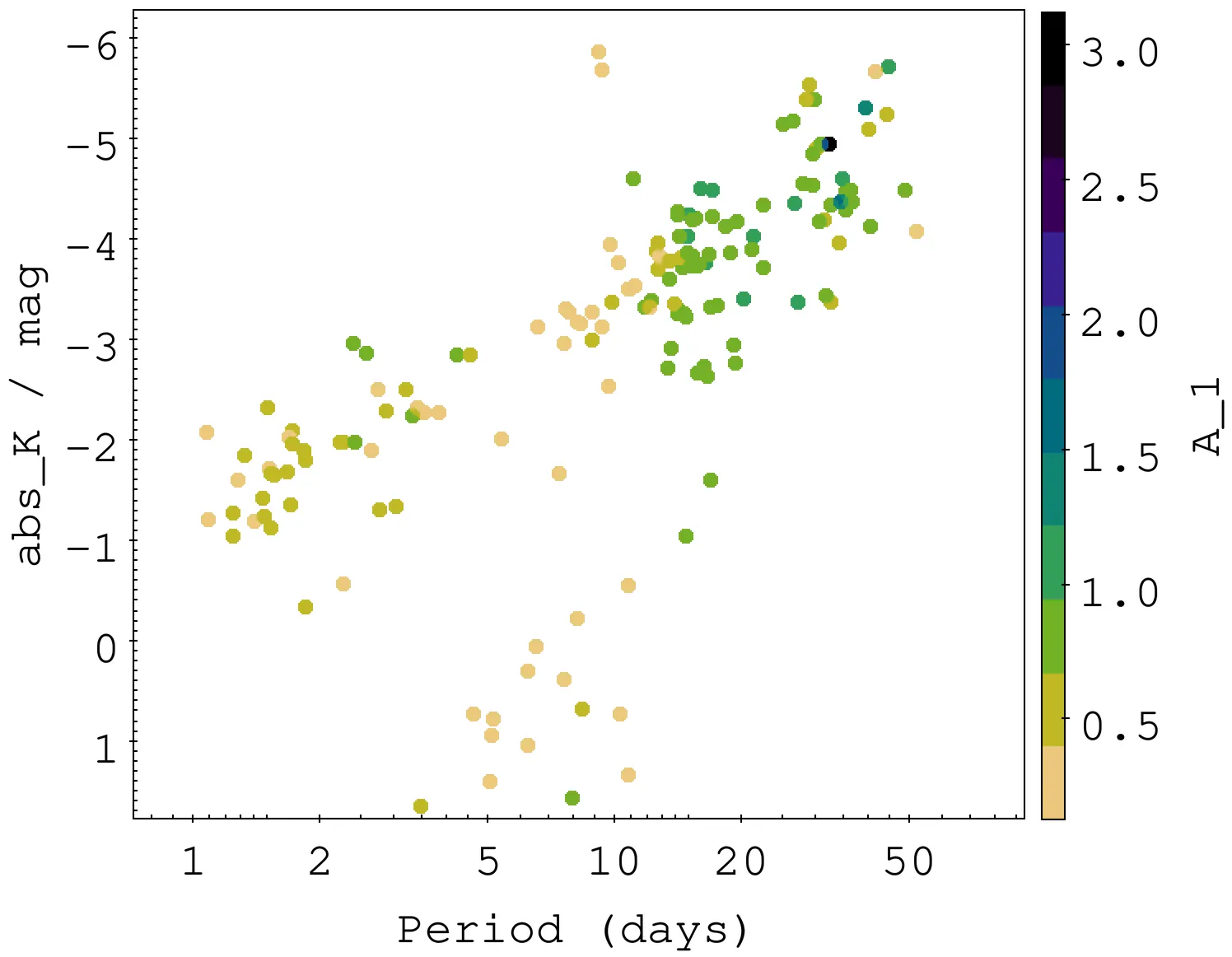
Pulsating variables play a significant role in shaping modern astronomy. Presently it is an exciting era in observational study of variable stars owing to surveys like OGLE and TESS. The vast number of sources being discovered by these surveys is also creating opportunities for 1-2m class telescopes to provide follow-up observations to characterize these. We present some initial observations of type-II cepheids from the Mt. Abu observatory and highlight the need for dedicated observing runs of pulsating variables. We also present optical designs for several suggested instruments for the Mt. Abu observatory that will contribute towards this goal. We present designs that are fairly simple and yet take due benefit of the unique telescopes and facilities present at the observatory.
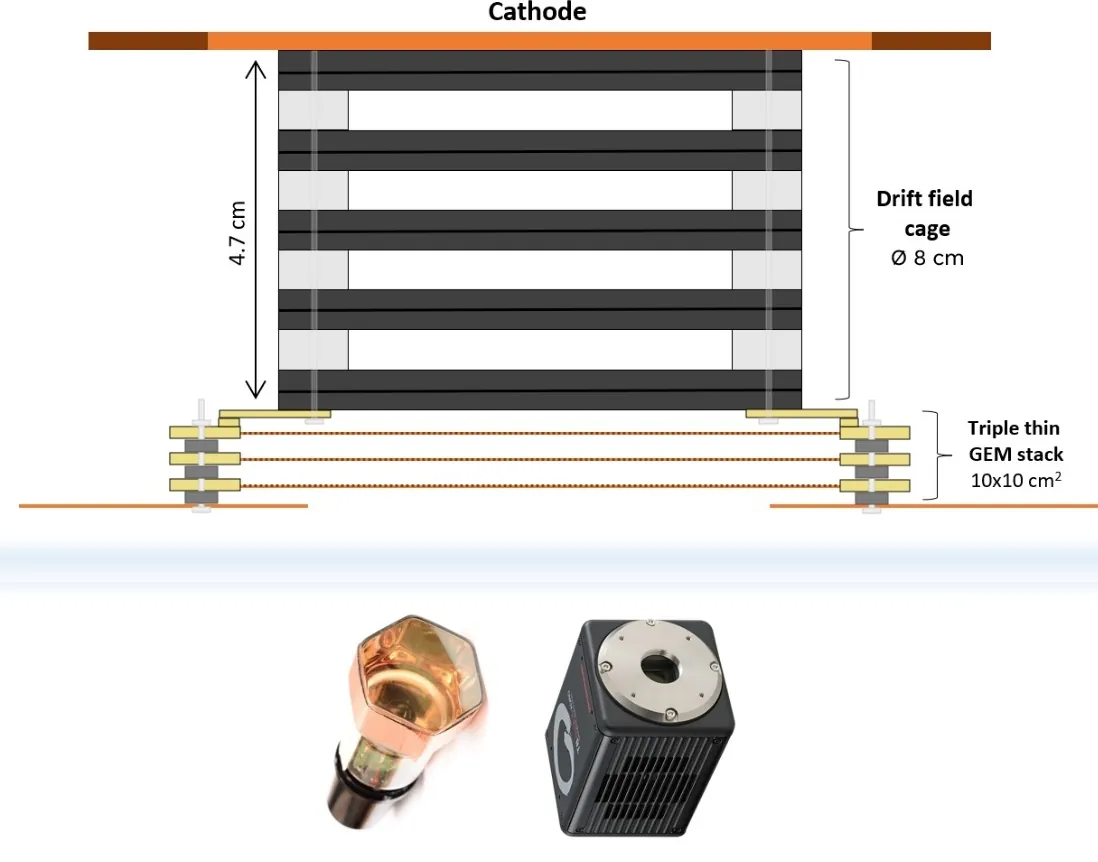
We report on the development of a large-volume, wide field-of-view time projection chamber (TPC) for X-ray polarimetry, featuring a triple-GEM amplification stage and optical readout. Originally developed within the CYGNO program for directional dark matter searches, the system employs a scientific CMOS (sCMOS) camera and a photomultiplier tube (PMT) to collect secondary scintillation light produced during charge amplification. A prototype with a cylindrical active volume (radius 3.7 cm, height 5 cm) was tested at the INAF--IAPS calibration facility (Rome, Tor Vergata) to assess sensitivity to low-energy electron directionality. We fully reconstruct electrons in the 10-60 keV range, obtain angular resolutions as good as 15°, and infer modulation factors up to 0.9. These first results demonstrate robust photoelectron tracking at tens of keV with strong modulation, indicating that photoelectric-effect polarimetry can be extended to higher energies. This capability is promising for rapid transients (GRBs, solar flares) and would broaden the astrophysical reach of X-ray polarimetry.
Addressing the spatial uncertainty and spectral blending challenges in CSST slitless spectroscopy, we present a deep learning-driven, end-to-end framework based on the You Only Look Once (YOLO) models. This approach directly detects, classifies, and analyzes spectral traces from raw 2D images, bypassing traditional, error-accumulating pipelines. YOLOv5 effectively detects both compact zero-order and extended first-order traces even in highly crowded fields. Building on this, YOLO11 integrates source classification (star/galaxy) and discrete astrophysical parameter estimation (e.g., redshift bins), showcasing complete spectral trace analysis without other manual preprocessing. Our framework processes large images rapidly, learning spectral-spatial features holistically to minimize errors. We achieve high trace detection precision (YOLOv5) and demonstrate successful quasar identification and binned redshift estimation (YOLO11). This study establishes machine learning as a paradigm shift in slitless spectroscopy, unifying detection, classification, and preliminary parameter estimation in a scalable system. Future research will concentrate on direct, continuous prediction of astrophysical parameters from raw spectral traces.
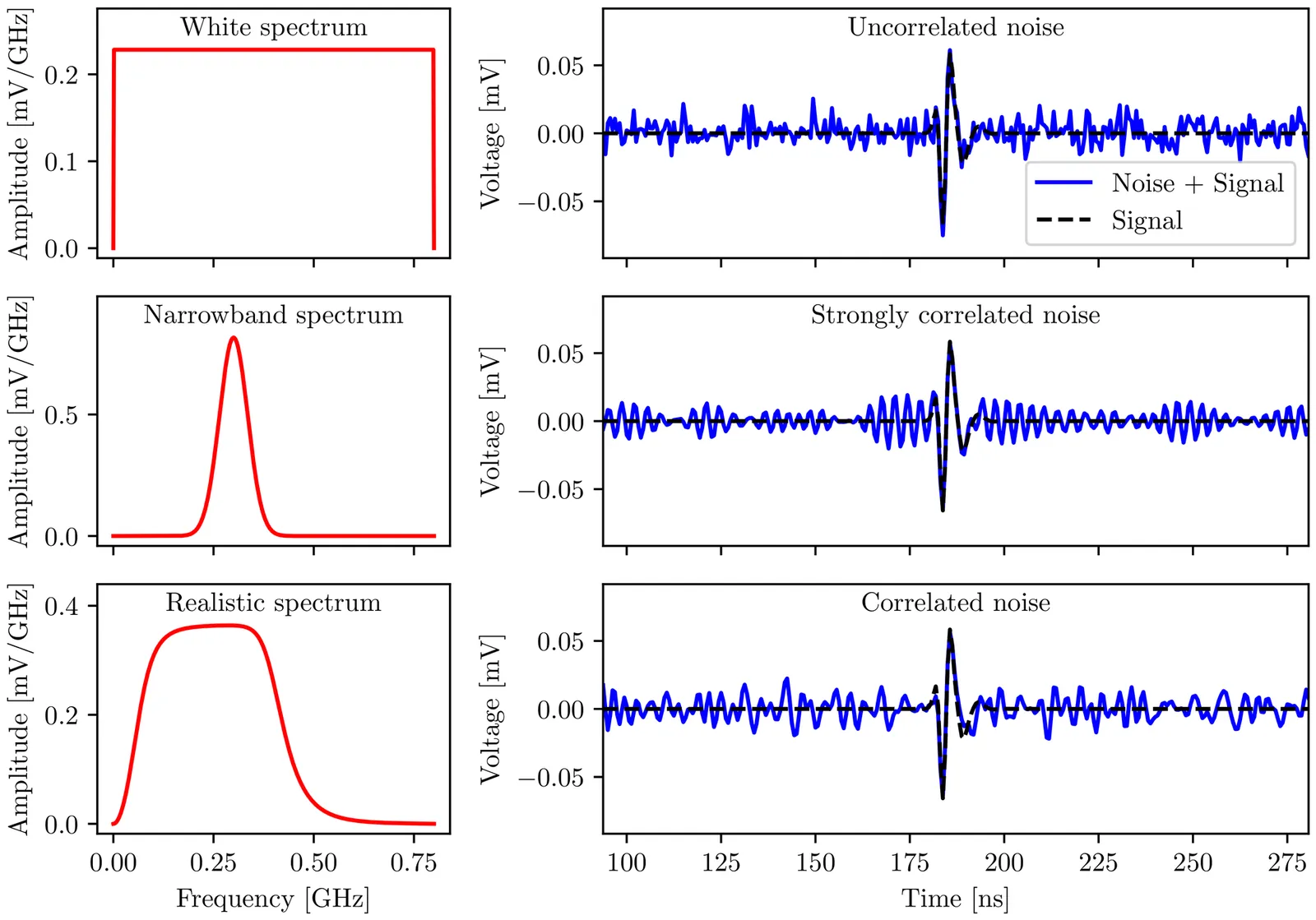
Ultra-high-energy neutrinos and cosmic rays are excellent probes of astroparticle physics phenomena. For astroparticle physics analyses, robust and accurate reconstruction of signal parameters such as arrival direction and energy is essential. Radio detection is an established detector concept explored by many observatories; however, current reconstruction methods ignore bin-to-bin noise correlations, which limits reconstruction resolution and, so far, has prevented calculations of event-by-event uncertainties. In this work, we present a likelihood description of neutrino or cosmic-ray signals in radio detectors with correlated noise, as present in all neutrino and cosmic-ray radio detectors. We demonstrate, with simulation studies of both neutrinos and cosmic-ray radio signals, that signal parameters such as energy and direction, including event-by-event uncertainties with correct coverage, can be obtained. This method reduces reconstruction uncertainties and biases compared to previous approaches. Additionally, the Likelihood can be used for event selection and enables differentiable end-to-end detector optimization. The reconstruction code is available through the open-source software NuRadioReco.
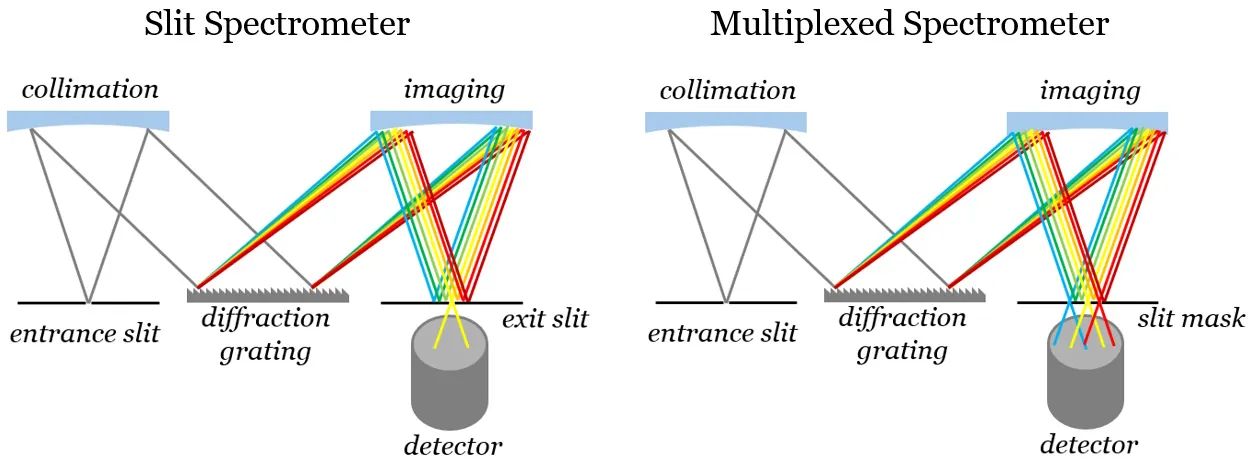
Hadamard Transform Spectral Imaging (HTSI) is a multiplexing technique used to recover spectra via encoding with multi-slit masks, and is particularly useful in low photon flux applications where signal-independent noise is the dominant noise source. This work focuses on the procedure that is used to recover spectra encoded with multi-slit masks generated from a Hadamard matrix; the decoding process involves multiplying the output encoded spectral images by the inverse of the Hadamard matrix, which separates any spectra that were overlapping in the target object. The output from HTSI is compared to direct measurement methods, such as single-slit scanning, to evaluate its performance and identify under which conditions it can provide an advantage or disadvantage. HTSI resulted in an increase in the average signal-to-noise (SNR) ratio of spectra when signal-independent noise, such as detector read noise, is present, and has no average net effect when signal dependent-noise, such as Poisson photon noise, is the only noise source present. The SNR of emission lines was found to be greater with HTSI than with single-slit scanning under both signal-independent and signal-dependent noise, and increases as the ratio of read-to-shot noise increases.
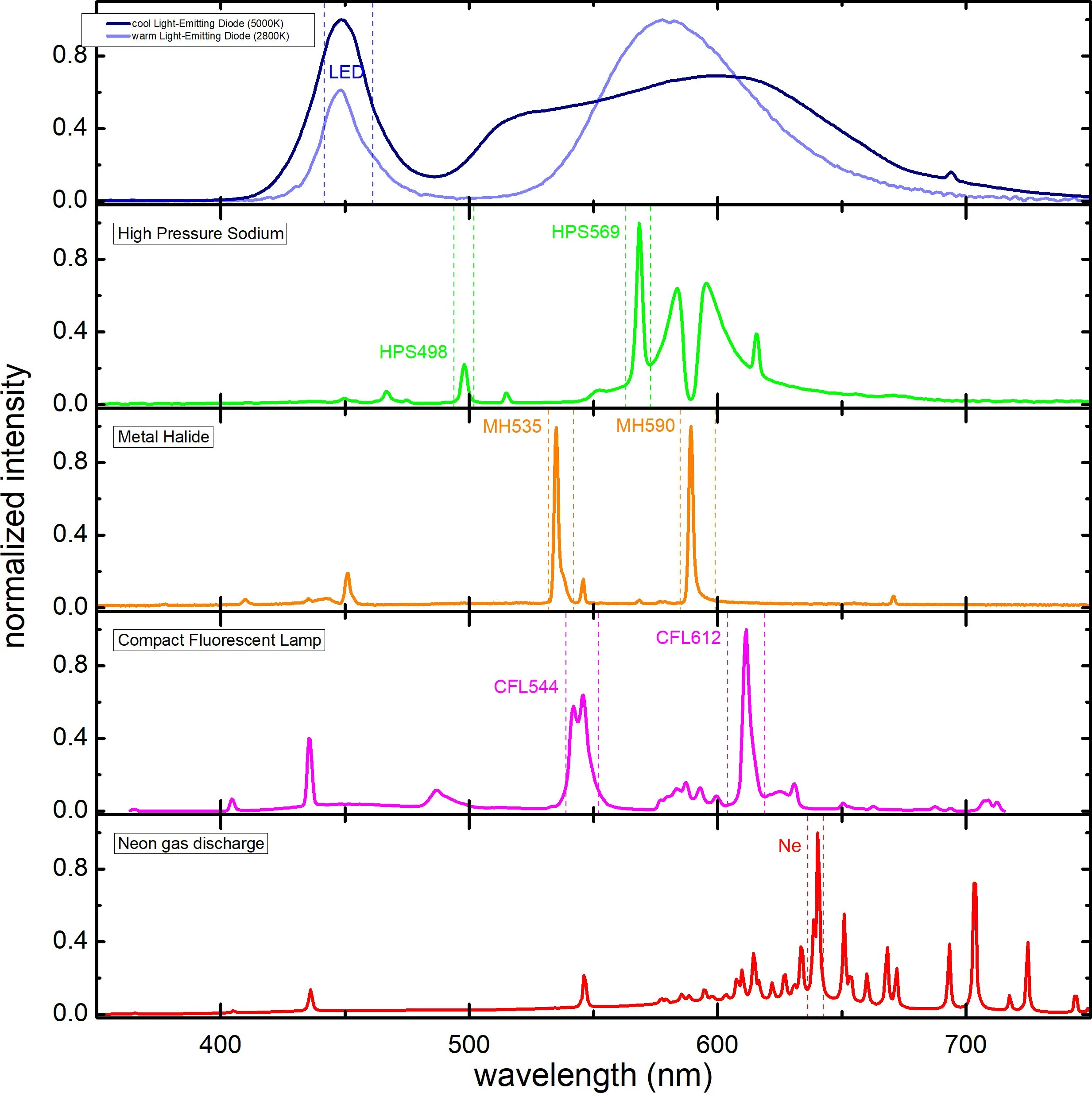
Spectroscopic study of the night sky has been a common way to assess the impacts of artificial light at night at remote astronomical observatories. However, the spectroscopic properties of the urban night sky remain poorly documented. We addressed this gap by collecting more than 12,000 zenith sky spectra with compact spectrometers at urban and suburban sites from 2021 to 2023. Here, by examining the intensity variations of the spectral features that represent characteristic emissions from common artificial light sources, we show that the skyglow is predominantly shaped by artificial emissions, including compact fluorescent lamps and high-pressure sodium lamps. Contributions from commercially controlled lighting, including those for floodlighting and advertising adopting light-emitting diode and metal halide technologies, were more pronounced in urban areas during the hours leading up to midnight. We also documented direct evidence of the impact of a neon sign located on top of a commercial tower, illustrating how a single light source can significantly influence the surrounding environment. Compared with observations made a decade ago at the same location, our findings indicate a growing popularity of light-emitting diode lighting for external use, consistent with the existing literature. This first comprehensive spectroscopic investigation of light pollution in an urban environment emphasizes the evolving patterns of outdoor lighting and highlights the critical and unique role of spectroscopic measurements. The results provide essential information for the development of effective strategies and policies to mitigate light pollution in urban areas and at sites of astronomical importance.
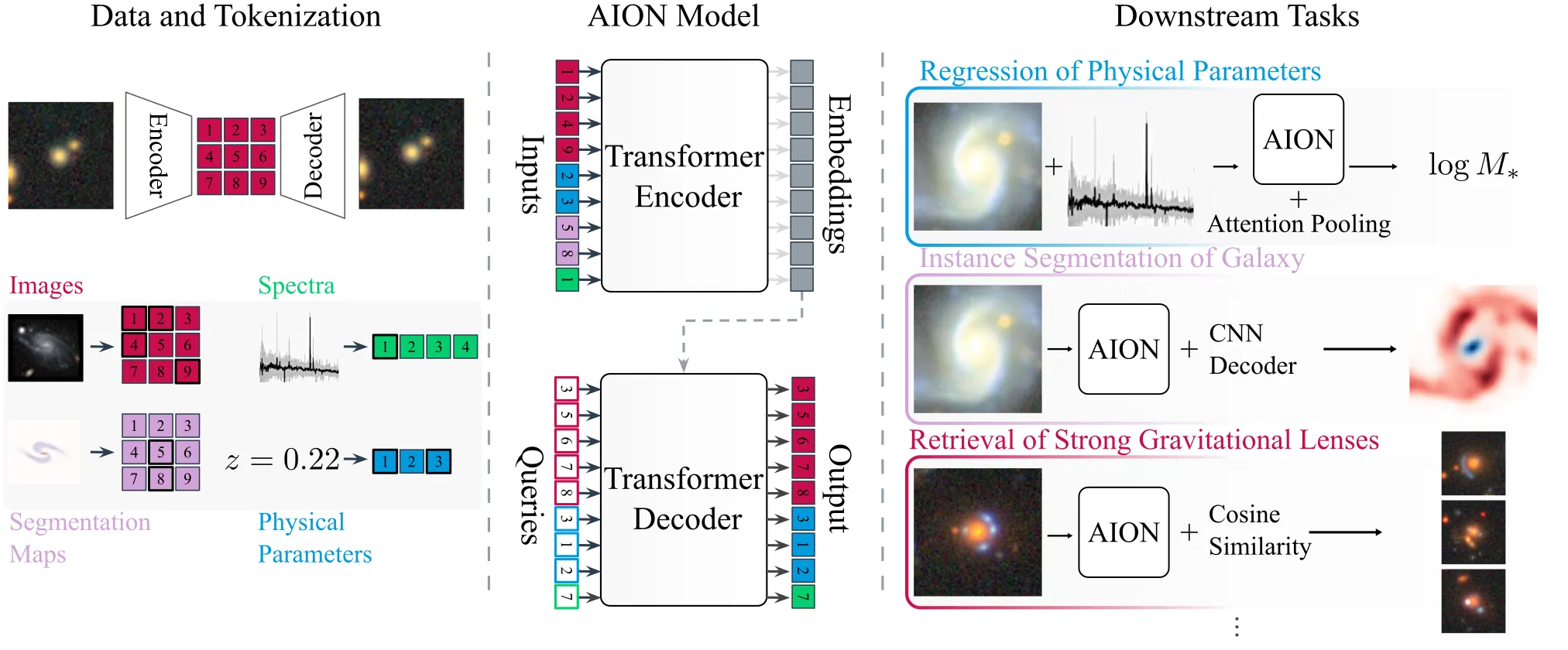
While foundation models have shown promise across a variety of fields, astronomy still lacks a unified framework for joint modeling across its highly diverse data modalities. In this paper, we present AION-1, a family of large-scale multimodal foundation models for astronomy. AION-1 integrates heterogeneous imaging, spectroscopic, and scalar data using a two-stage architecture: modality-specific tokenization followed by transformer-based masked modeling of cross-modal token sequences. The model is pretrained on five large-scale surveys: Legacy Survey, Hyper Suprime-Cam (HSC), Sloan Digital Sky Survey (SDSS), Dark Energy Spectroscopic Instrument (DESI), and Gaia. These span more than 200 million observations of stars, galaxies, and quasars. With a single frozen encoder, AION-1 achieves strong results on a broad suite of downstream tasks, including galaxy and stellar property estimation, galaxy morphology classification, similarity-based retrieval, galaxy image segmentation, and spectral super-resolution. We release AION-1 model variants ranging from 300 M to 3.1 B parameters. Beyond astronomy, AION-1 provides a scalable blueprint for multimodal scientific foundation models that can seamlessly integrate noisy, instrument-specific observations. All code, tokenizers, pretrained weights, and a lightweight evaluation suite are released under an open-source license.
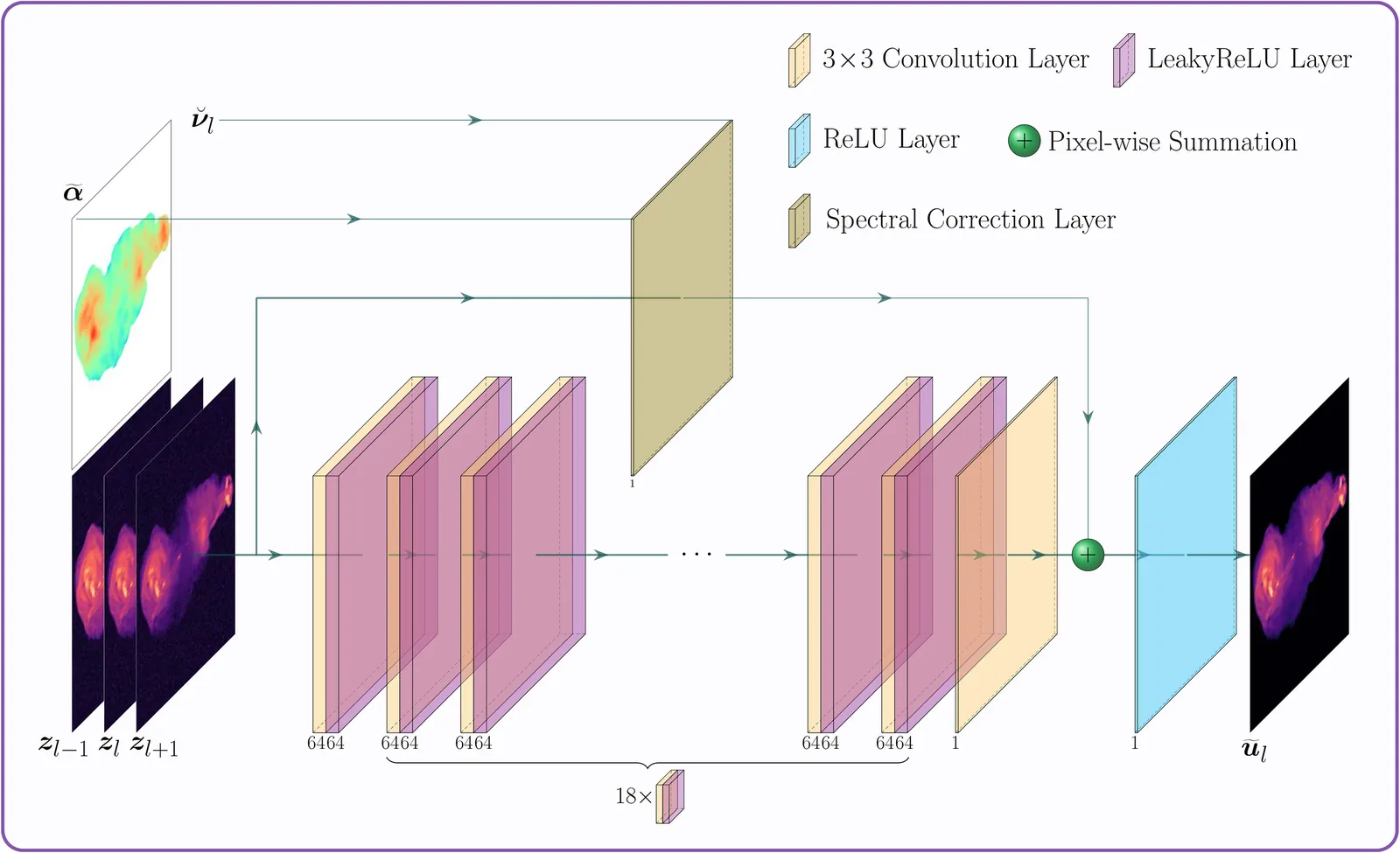
The next-generation radio-interferometric (RI) telescopes require imaging algorithms capable of forming high-resolution high-dynamic-range images from large data volumes spanning wide frequency bands. Recently, AIRI, a plug-and-play (PnP) approach taking the forward-backward algorithmic structure (FB), has demonstrated state-of-the-art performance in monochromatic RI imaging by alternating a data-fidelity step with a regularisation step via learned denoisers. In this work, we introduce HyperAIRI, its hyperspectral extension, underpinned by learned hyperspectral denoisers enforcing a power-law spectral model. For each spectral channel, the HyperAIRI denoiser takes as input its current image estimate, alongside estimates of its two immediate neighbouring channels and the spectral index map, and provides as output its associated denoised image. To ensure convergence of HyperAIRI, the denoisers are trained with a Jacobian regularisation enforcing non-expansiveness. To accommodate varying dynamic ranges, we assemble a shelf of pre-trained denoisers, each tailored to a specific dynamic range. At each HyperAIRI iteration, the spectral channels of the target image cube are updated in parallel using dynamic-range-matched denoisers from the pre-trained shelf. The denoisers are also endowed with a spatial image faceting functionality, enabling scalability to varied image sizes. Additionally, we formally introduce Hyper-uSARA, a variant of the optimisation-based algorithm HyperSARA, promoting joint sparsity across spectral channels via the l2,1-norm, also adopting FB. We evaluate HyperAIRI's performance on simulated and real observations. We showcase its superior performance compared to its optimisation-based counterpart Hyper-uSARA, CLEAN's hyperspectral variant in WSClean, and the monochromatic imaging algorithms AIRI and uSARA.
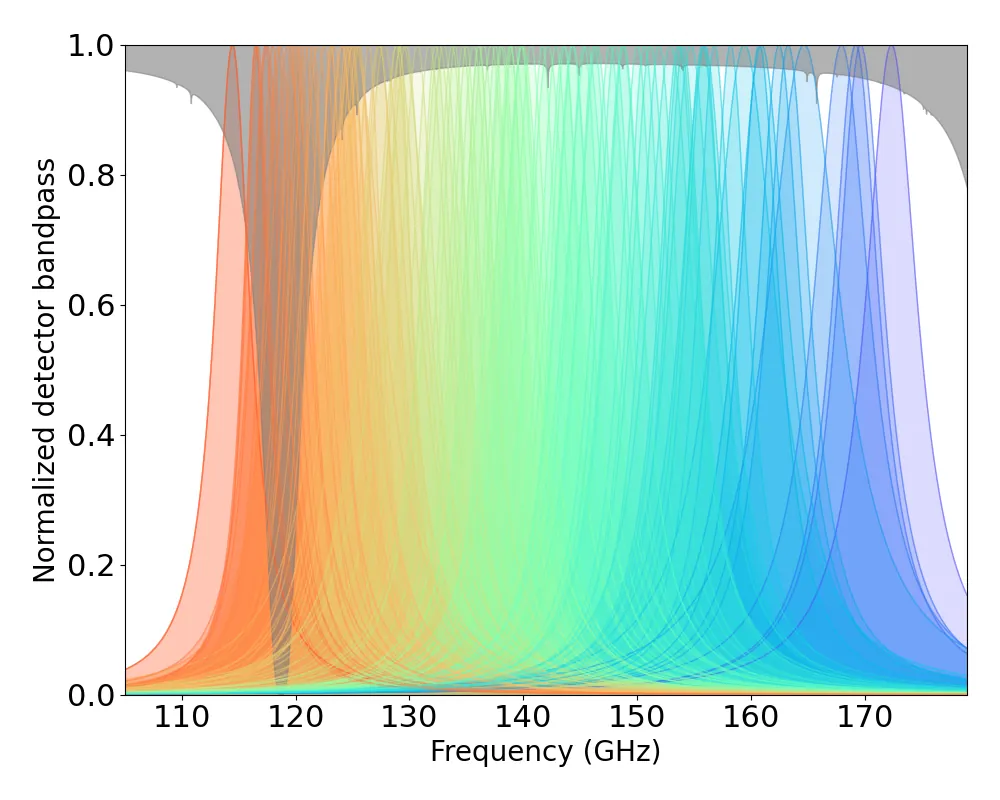
We present the methodology and results of the on-sky responsivity calibration of the South Pole Telescope Shirokoff Line Intensity Mapper (SPT-SLIM). SPT-SLIM is a pathfinder line intensity mapping experiment utilizing the on-chip spectrometer technology, and was first deployed during the 2024-2025 Austral Summer season on the South Pole Telescope. During the two-week on-sky operation of SPT-SLIM, we performed periodic measurements of the detector response as a function of the telescope elevation angle. Combining these data with atmospheric opacity measurements from an on-site atmospheric tipping radiometer, simulated South Pole atmospheric spectra, and measured detector spectral responses, we construct estimates for the responsivity of SPT-SLIM detectors to sky loading. We then use this model to calibrate observations of the moon taken by SPT-SLIM, cross-checking the result against the known brightness temperature of the Moon as a function of its phase.
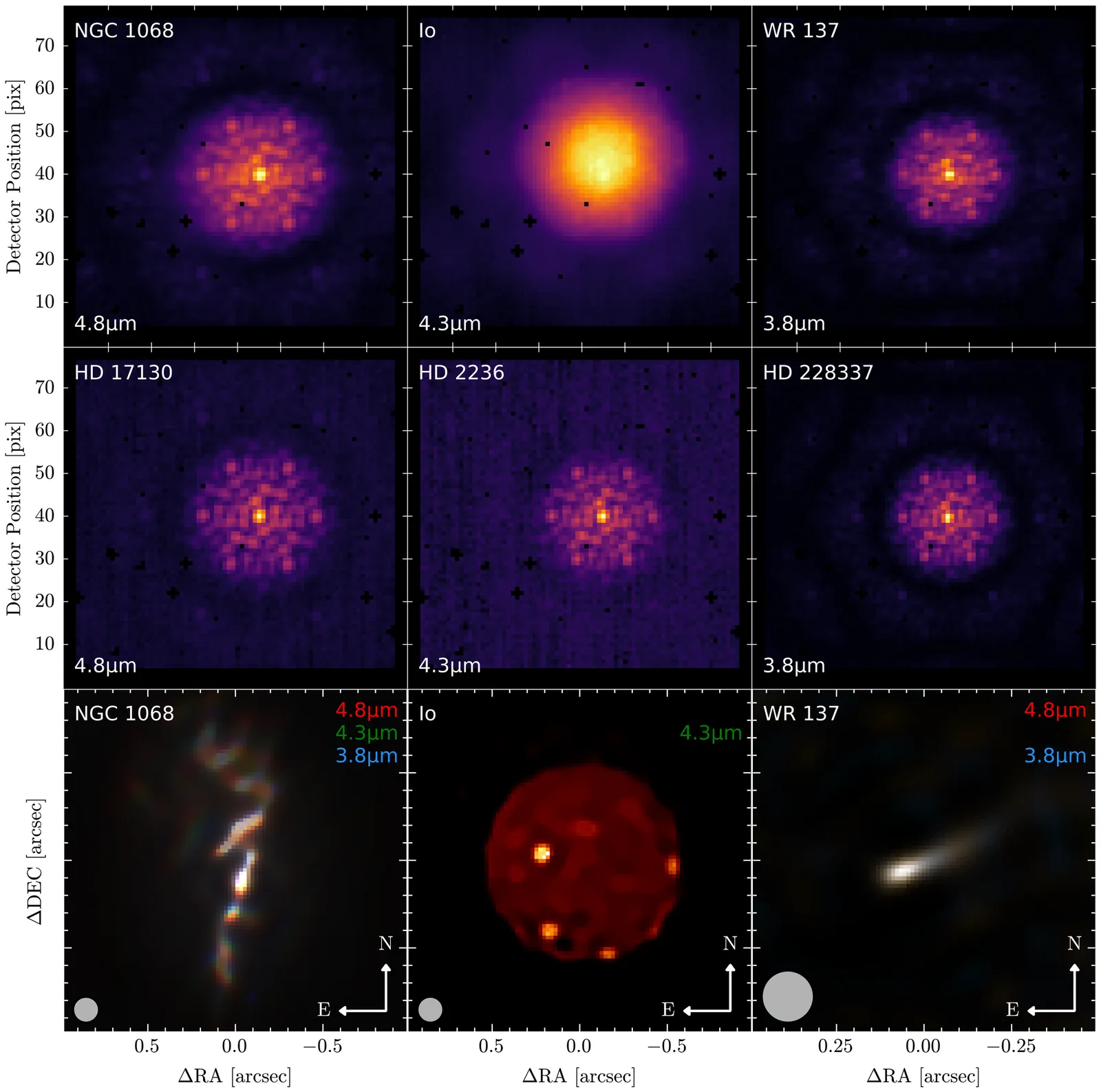
Flying on board the James Webb Space Telescope (JWST) above Earth's turbulent atmosphere, the Aperture Masking Interferometer (AMI) on the NIRISS instrument is the highest-resolution infrared interferometer ever placed in space. However, its performance was found to be limited by non-linear detector systematics, particularly charge migration - or the Brighter-Fatter Effect. Conventional interferometric Fourier observables are degraded by non-linear transformations in the image plane, with the consequence that the inner working angle and contrast limits of AMI were seriously compromised. Building on the end-to-end differentiable model & calibration code amigo, we here present a regularised maximum-likelihood image reconstruction framework dorito which can deconvolve AMI images either in the image plane or from calibrated Fourier observables, achieving high angular resolution and contrast over a wider field of view than conventional interferometric limits. This modular code by default includes regularisation by maximum entropy, and total variation defined with $l_1$ or $l_2$ metrics. We present imaging results from dorito for three benchmark imaging datasets: the volcanoes of Jupiter's moon Io, the colliding-wind binary dust nebula WR 137 and the archetypal Seyfert 2 active galactic nucleus NGC 1068. In all three cases we recover images consistent with the literature at diffraction-limited resolutions. The performance, limitations, and future opportunities enabled by amigo for AMI imaging (and beyond) are discussed.
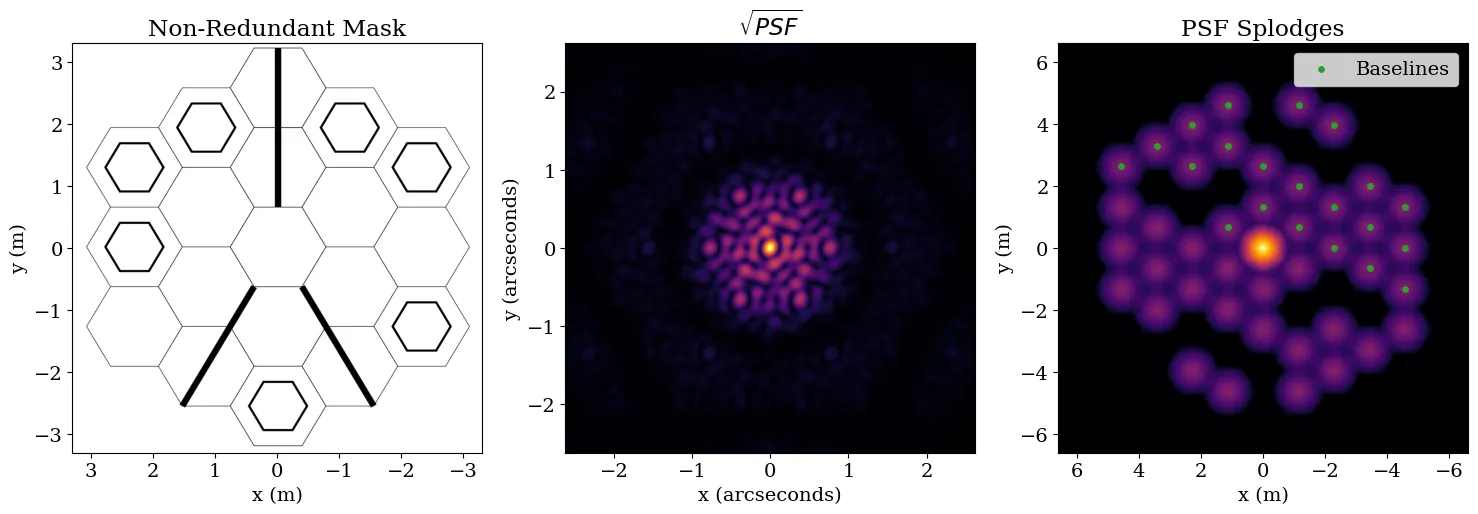
The James Webb Space Telescope (JWST) hosts a non-redundant Aperture Masking Interferometer (AMI) in its Near Infrared Imager and Slitless Spectrograph (NIRISS) instrument, providing the only dedicated interferometric facility aboard - magnitudes more precise than any interferometric experiment previously flown. However, the performance of AMI (and other high resolution approaches such as kernel phase) in recovery of structure at high contrasts has not met design expectations. A major contributing factor has been the presence of uncorrected detector systematics, notably charge migration effects in the H2RG sensor, and insufficiently accurate mask metrology. Here we present Amigo, a data-driven calibration framework and analysis pipeline that forward-models the full JWST AMI system - including its optics, detector physics, and readout electronics - using an end-to-end differentiable architecture implemented in the Jax framework and in particular exploiting the dLux optical modelling package. Amigo directly models the generation of up-the-ramp detector reads, using an embedded neural sub-module to capture non-linear charge redistribution effects, enabling the optimal extraction of robust observables, for example kernel amplitudes and phases, while mitigating systematics such as the brighter-fatter effect. We demonstrate Amigo's capabilities by recovering the ABDor AC binary from commissioning data with high-precision astrometry, and detecting both HD206893B and the inner substellar companion HD206893c: a benchmark requiring contrasts approaching 10 magnitudes at separations of only 100 mas. These results exceed outcomes from all published pipelines, and re-establish AMI as a viable competitor for imaging at high contrast at the diffraction limit. Amigo is publicly available as open-source software community resource.
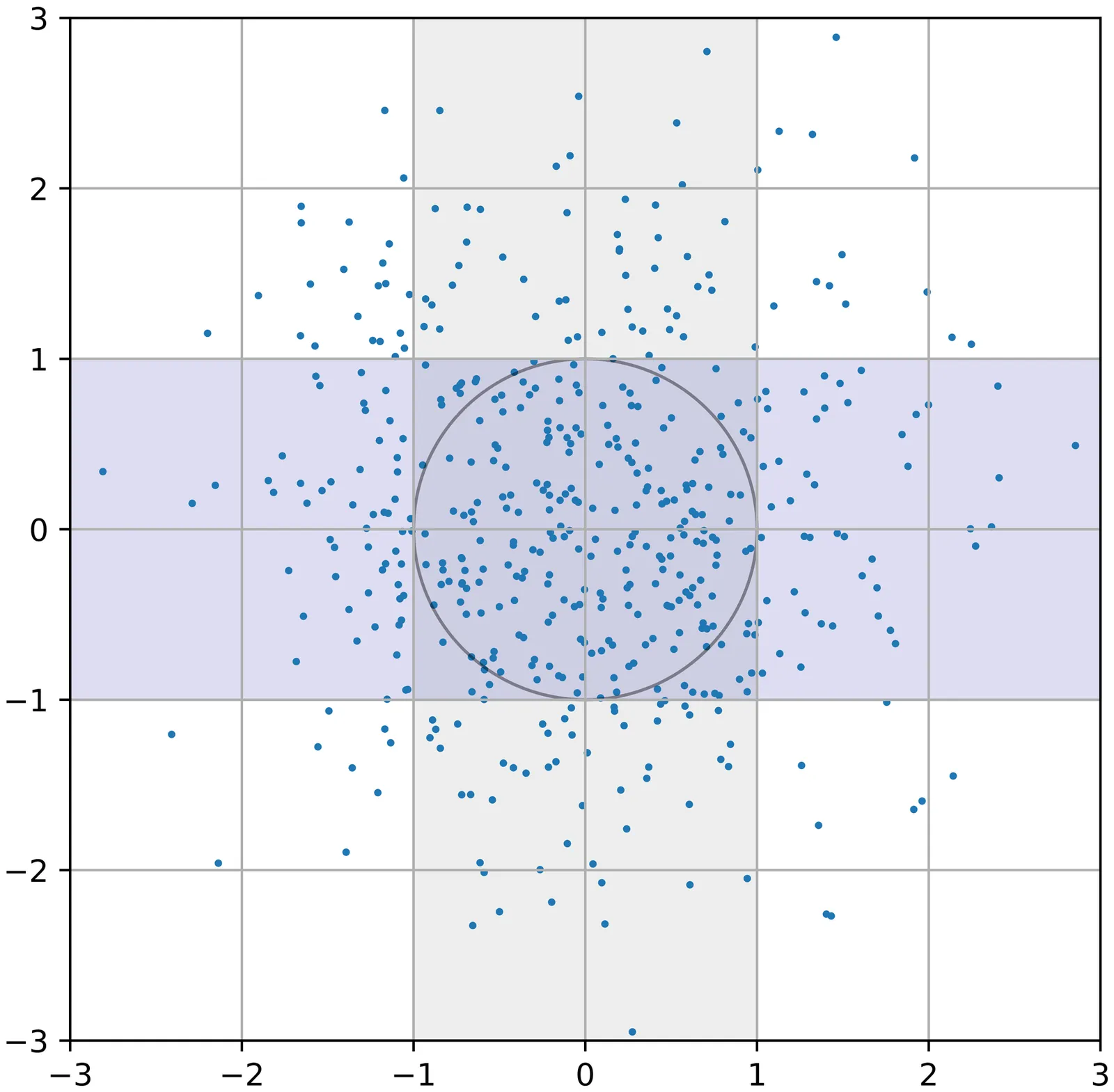
The Fisher information matrix is used widely in astronomy (and presumably other fields) to forecast the precision of future experiments while they are still in the design phase. Although many sources describe the mathematics of the formalism, few sources offer simple examples to help the beginner. This pedagogical document works through a few simple examples to develop conceptual understanding of the applications.
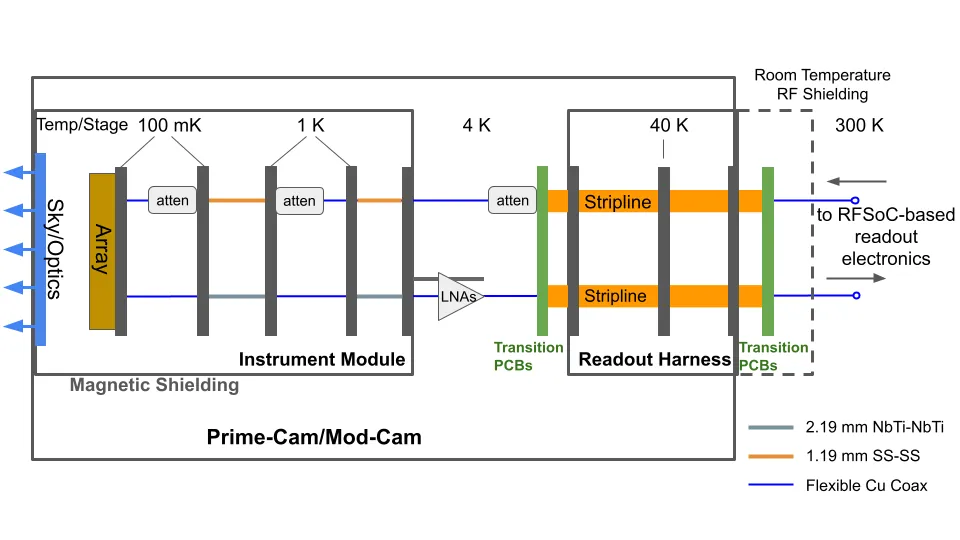
Over the past decade, kinetic inductance detectors (KIDs) have emerged as a viable superconducting technology for astrophysics at millimeter and submillimeter wavelengths. KIDs spanning 210 - 850 GHz across seven instrument modules will be deployed in the Prime-Cam instrument of CCAT Observatory's Fred Young Submillimeter Telescope at an elevation of 5600 m on Cerro Chajnantor in Chile's Atacama Desert. The natural frequency-division multiplexed readout of KIDs allows hundreds of detectors to be coupled to a single radio frequency (RF) transmission line, but requires sophisticated warm readout electronics. The FPGA-based Xilinx ZCU111 radio frequency system on chip (RFSoC) offers a promising and flexible solution to the challenge of warm readout. CCAT uses custom packaged RFSoCs to read out KIDs in the Prime-Cam instrument. Each RFSoC can simultaneously read out four RF channels with up to 1,000 detectors spanning a 512 MHz bandwidth per channel using the current firmware. We use five RFSoCs to read out the >10,000 KIDs in the broadband 280 GHz instrument module inside a testbed receiver. Here, we describe and demonstrate the readout software and pipeline for the RFSoC system. We also present the preliminary averaged spectral responses of the 280 GHz instrument module using KIDs from the TiN array and the first Al array as a demonstration of the end-to-end performance of the readout and optical systems. These measurements demonstrate the foundation that will enable us to simultaneously read out over 10,000 KIDs with the RFSoC and represent a critical step toward reading out the ~100,000 KIDs in Prime-Cam in its future full capacity configuration.
2510.05308The James Webb Space Telescope is orders of magnitude more sensitive than any other facility across the near to mid-infrared wavelengths. Many approved programs take advantage of its highly stable point spread function (PSF) to directly detect faint companions using diverse high-contrast imaging (HCI) techniques. However, periodic re-phasing of the Optical Telescope Element (OTE) is required due to slow thermal drifts distorting to the primary mirror backplane along with stochastic tilt events on individual mirror segments. Many programs utilize observations of a reference star to remove the stellar contribution within an image which can typically take half of the total allocated time. We present a high-contrast imaging technique for the NIRISS instrument that uses the measured wavefront error (WFE) from a phase calibration observation (performed roughly every 48 hours) as prior information in a Bayesian analysis with nested sampling. This technique estimates the WFE of a given observation and simultaneously searches for faint companions, without using a reference star. We estimate the wavefront error for both full aperture and aperture masking interferometry (AMI) imaging modes using three low order Zernike coefficients per mirror segment, using the Hexike basis, to generate synthetic PSFs and compare to simulations. We compare our technique to traditional interferometric analysis in realistic NIRISS F430M simulations both relative to the photon noise limit, and through recovering an injected companion with $Δ$F430M= 8 mag at 0.2''. With future testing, this technique may save significant amounts of observing time given the results of our current implementation on NIRISS simulations.
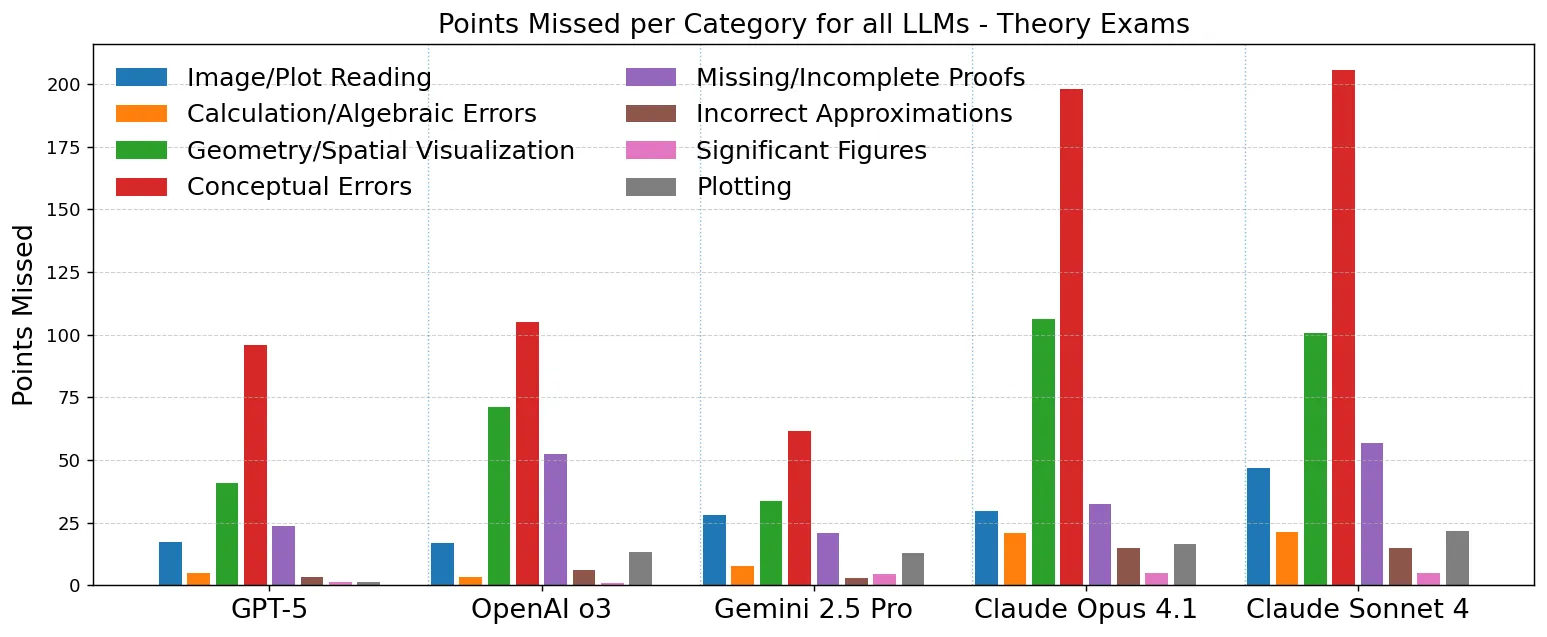
While task-specific demonstrations show early success in applying large language models (LLMs) to automate some astronomical research tasks, they only provide incomplete views of all necessary capabilities in solving astronomy problems, calling for more thorough understanding of LLMs' strengths and limitations. So far, existing benchmarks and evaluations focus on simple question-answering that primarily tests astronomical knowledge and fails to evaluate the complex reasoning required for real-world research in the discipline. Here, we address this gap by systematically benchmarking five state-of-the-art LLMs on the International Olympiad on Astronomy and Astrophysics (IOAA) exams, which are designed to examine deep conceptual understanding, multi-step derivations, and multimodal analysis. With average scores of 85.6% and 84.2%, Gemini 2.5 Pro and GPT-5 (the two top-performing models) not only achieve gold medal level performance but also rank in the top two among ~200-300 participants in all four IOAA theory exams evaluated (2022-2025). In comparison, results on the data analysis exams show more divergence. GPT-5 still excels in the exams with an 88.5% average score, ranking top 10 among the participants in the four most recent IOAAs, while other models' performances drop to 48-76%. Furthermore, our in-depth error analysis underscores conceptual reasoning, geometric reasoning, and spatial visualization (52-79% accuracy) as consistent weaknesses among all LLMs. Hence, although LLMs approach peak human performance in theory exams, critical gaps must be addressed before they can serve as autonomous research agents in astronomy.