Nuclear Experiment
arXiv:nucl-ex
Nuclear physics experiments including heavy-ion collisions.
Looking for a broader view? This category is part of:
Nuclear physics experiments including heavy-ion collisions.
Looking for a broader view? This category is part of:
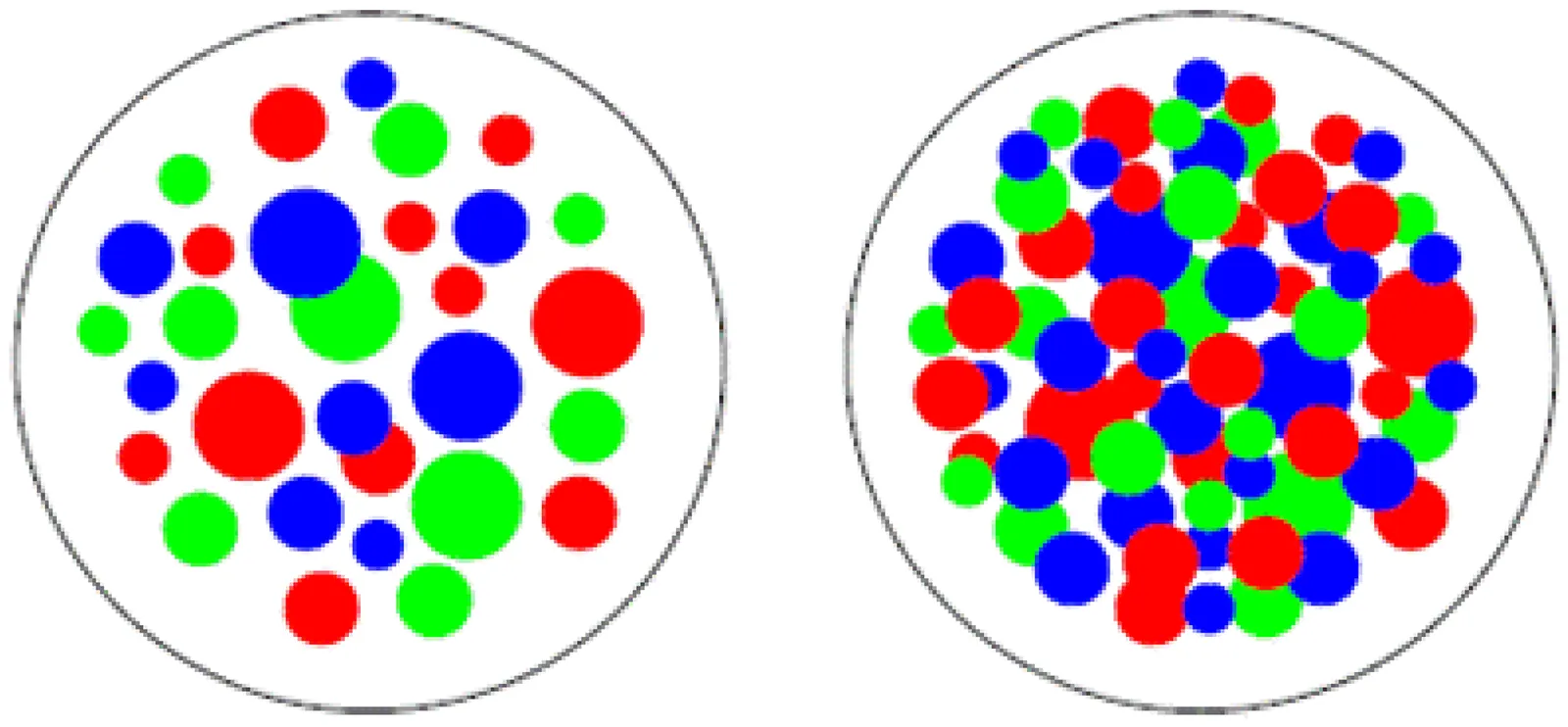
In the present work we have analyzed the transverse momentum spectra of charged particles in high multiplicity $pp$ collisions at LHC energies $\sqrt s $ = 5.02 and 13 TeV using the Color String Percolation Model (CSPM). For heavy ions $Pb-Pb$ at $\sqrt {s_{NN}} $ = 2.76 and 5.02 TeV along with $Xe-Xe$ at $\sqrt {s_{NN}} $= 5.44 TeV have been analyzed. The initial temperature is extracted both in low and high multiplicity events in ${\it pp}$ collisions. For $A-A$ collisions the temperature is obtained as a function of centrality. From the measured energy density $ \varepsilon$ and the temperature T the dimensionless quantity $ \varepsilon/T^{4}$ is obtained. Our results for Pb-Pb and Xe-Xe collisions show a sharp increase in $\varepsilon/T^{4}$ above T $\sim$ 210 MeV and reaching the ideal gas of quarks and gluons value of $ \varepsilon/T^{4} \sim$ 16 at temperature $\sim $ 230 MeV. At this temperature there is a transition from the fluid behavior of QCD matter strongly interacting to a quasi free gas of quarks and gluons.
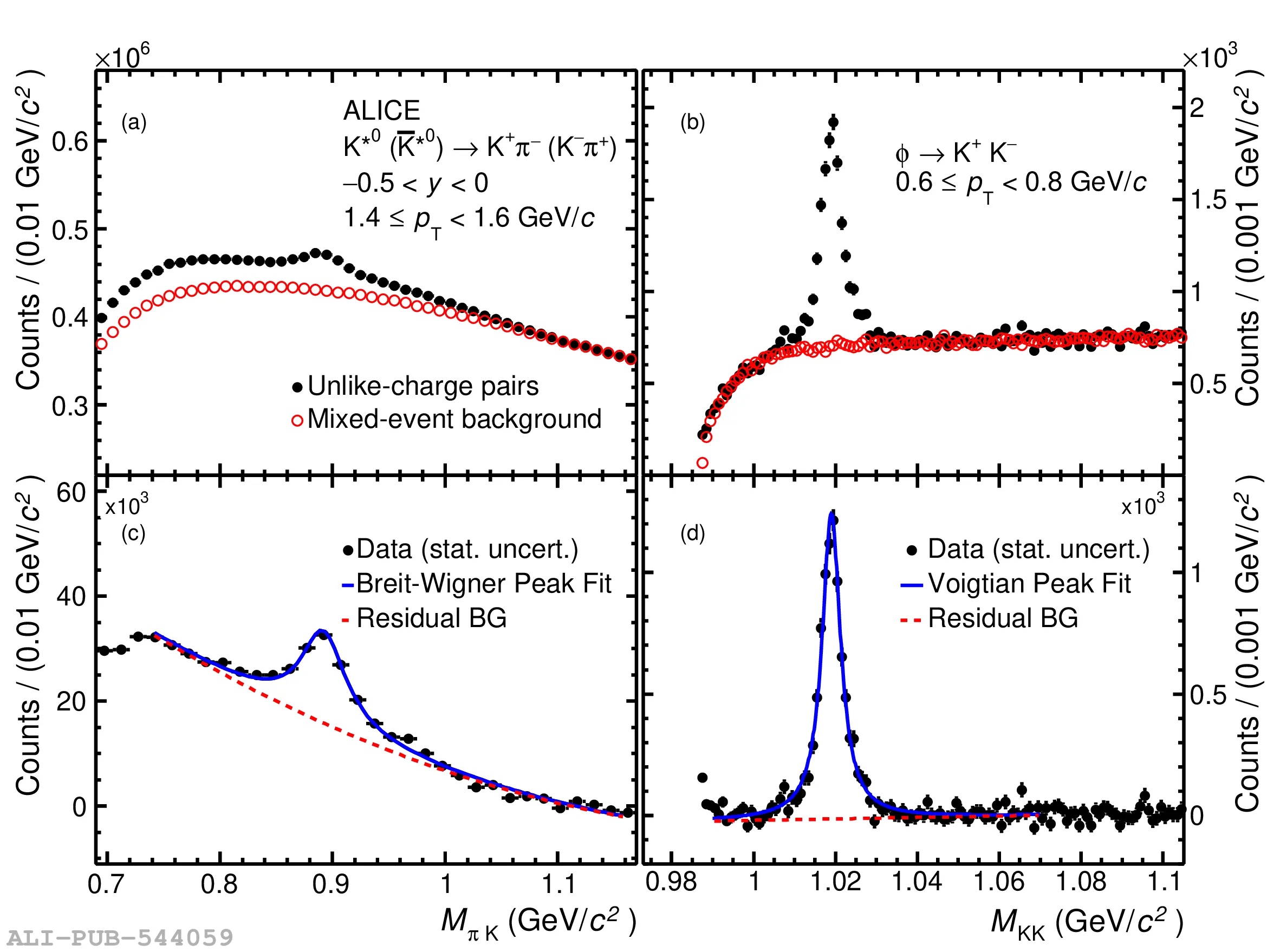
Resonances provide sensitivity to the late-stage dynamics of heavy-ion collisions, as their lifetimes are comparable to the duration of the hadronic phase. This review summarizes state-of-the-art measurements of light-flavour mesonic and baryonic resonances, including $ρ$(770), $K^{\star}$(892), $φ$(1020), $Δ$(1232), $Λ^{\star}$(1520), $Σ^{\star}$(1385) and $Ξ^\star$(1530), in pp, p-A and A-A collisions at SPS, RHIC and the LHC. Systematic trends in yields, mass and width modifications, transverse-momentum spectra, nuclear modification factors, and particle ratios reveal the interplay of re-scattering and regeneration, medium-induced suppression, and the development of collective dynamics with increasing system size and multiplicity. Anisotropic flow results confirm the coupling of resonances to the expanding medium, while recent vector-meson spin-alignment measurements offer fresh insights into hadronization mechanisms and local fields. Ultra-peripheral collisions provide vacuum-like baselines for isolating in-medium effects. Emerging opportunities for charm-resonance studies in upcoming high-luminosity experiments are also outlined.Together, these advances demonstrate the important role of resonance measurements in constraining the space-time evolution of strongly interacting matter.
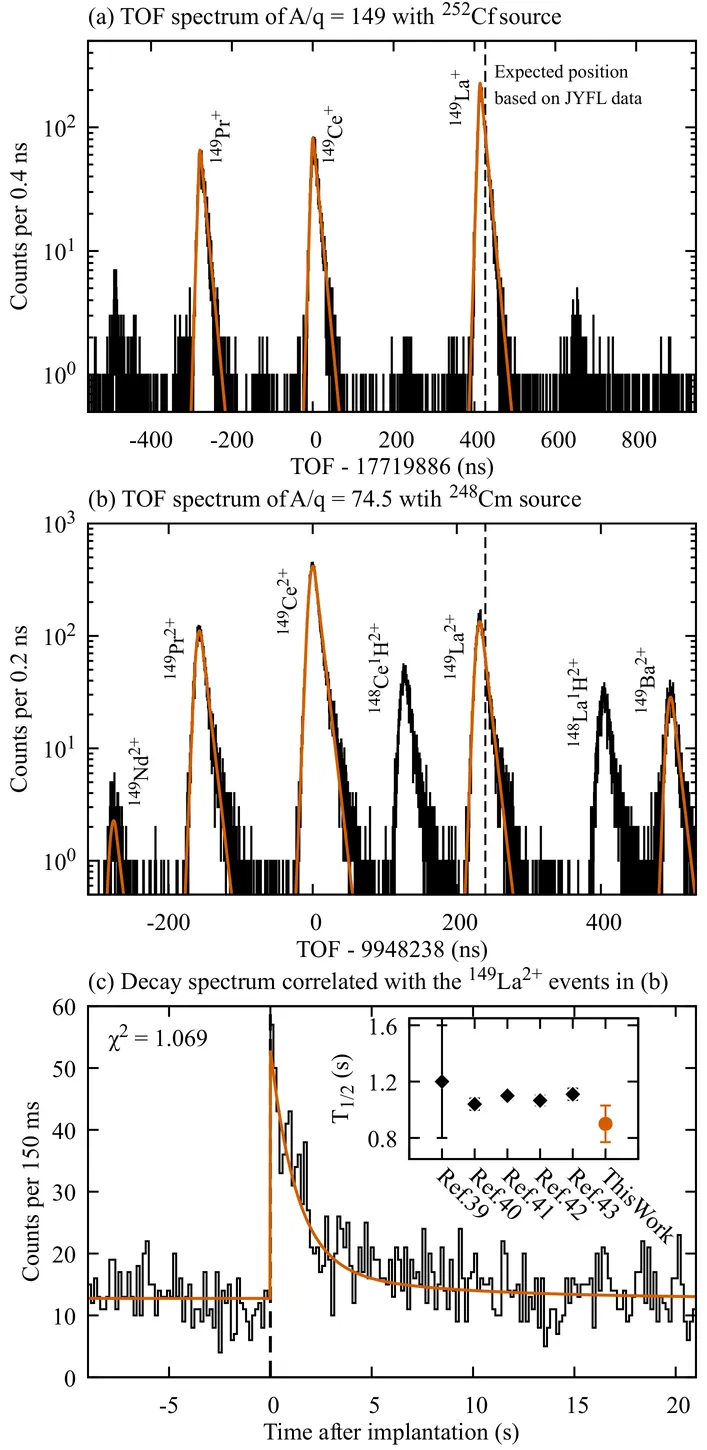
Nuclear mass is a key indicator of how the nuclear shell structure evolves. The recent mass measurement study of neutron-rich lanthanum isotopes [A. Jaries, $et~al$., Phys. Rev. Lett. 134, 042501(2025)] reveals the presence of a distinct prominence in their two-neutron separation energies. However, its presence has been called into question based on the results of another study [B. Liu, Ph.D. thesis, University of Notre Dame (2025)]. In this letter, we report an effort to clarify these contradictory results through the use of the simultaneous mass-lifetime measurement of the neutron-rich lanthanum isotope ${}^{149}$La using a multi-reflection time-of-flight mass spectrograph combined with a $β$-TOF detector. The peak corresponding to a $β$-decaying state was observed in the time-of-flight spectra at a position of $221(6)~{\rm keV/c^2}$ lighter than the reported ${}^{149}$La mass. We have concluded that this peak is the ground state of ${}^{149}$La. With this, the previously reported distinct prominence in the two-neutron separation energies disappears, while a new kink structure, similar to that in the cerium isotopes, appears. Comparison with theoretical models suggests that a nuclear shape transition from octupole deformation to another type of deformation occurs around $N=91$ and is likely the cause of this kink structure.
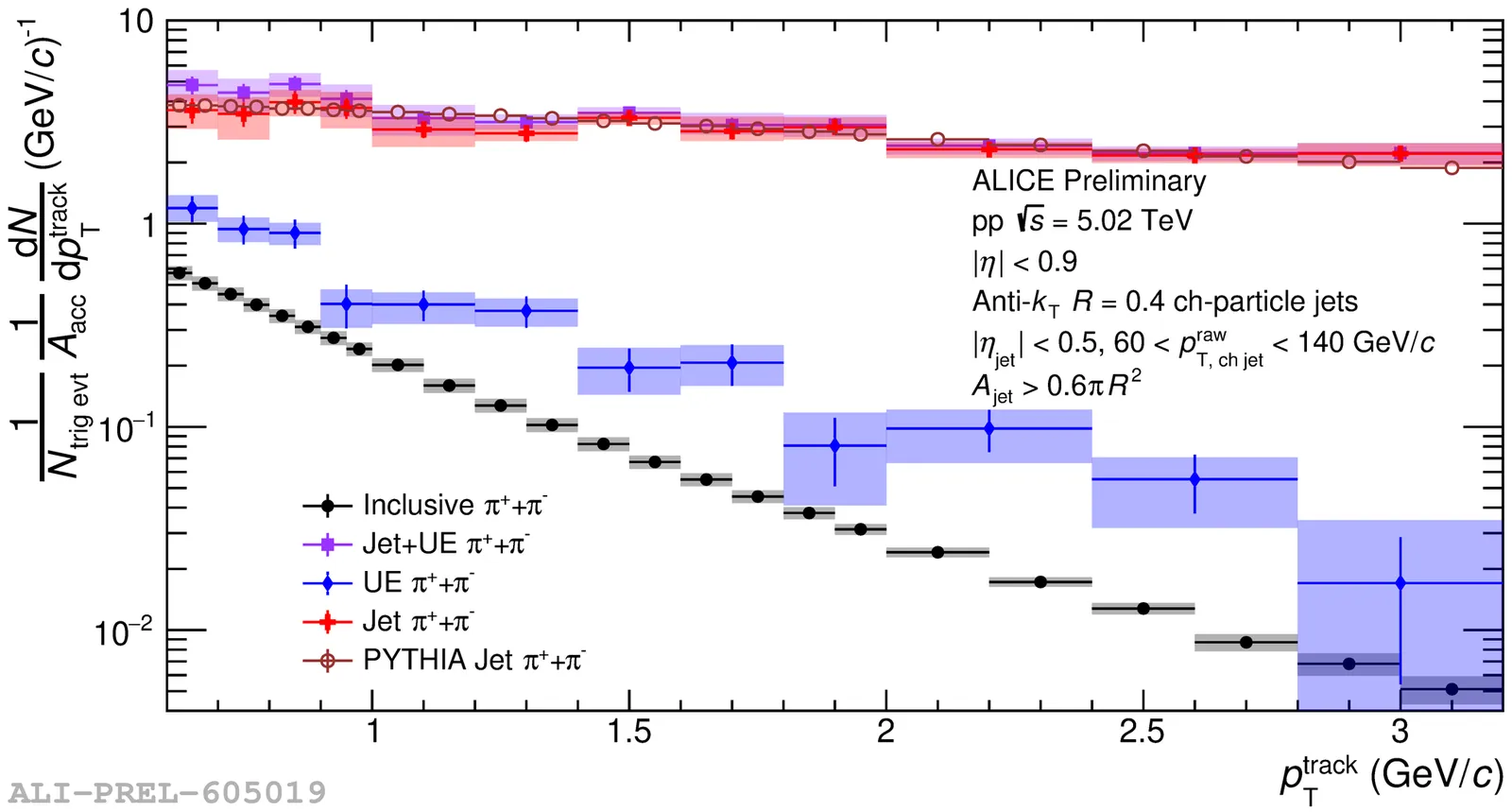
Measurements of jet substructure observables in heavy-ion (HI) collisions provide powerful constraints on the microscopic mechanisms of interactions between energetic partons and the quark--gluon plasma (QGP). Although there has been remarkable progress in measuring inclusive jet substructure, a complete understanding of identified particle production inside jets (jet hadrochemistry) and its modification in HI collisions remains elusive. Jet quenching models predict that the jet hadrochemical composition is modified in the QGP, arising from both jet-medium interactions and altered particle production in the jet wake. Measurements of jet hadrochemistry can help discriminate between proposed jet-medium interaction mechanisms. Enabled by the excellent particle identification (PID) capabilities of ALICE, we present the first measurements of $π$, K, and p ratios within jets and the underlying event as a function of particle transverse momentum in pp and Pb--Pb collisions at $\sqrt{s_{\rm{NN}}}$ = 5.02 TeV. These measurements provide insight into soft particle production mechanisms and helps distinguish various jet quenching effects.
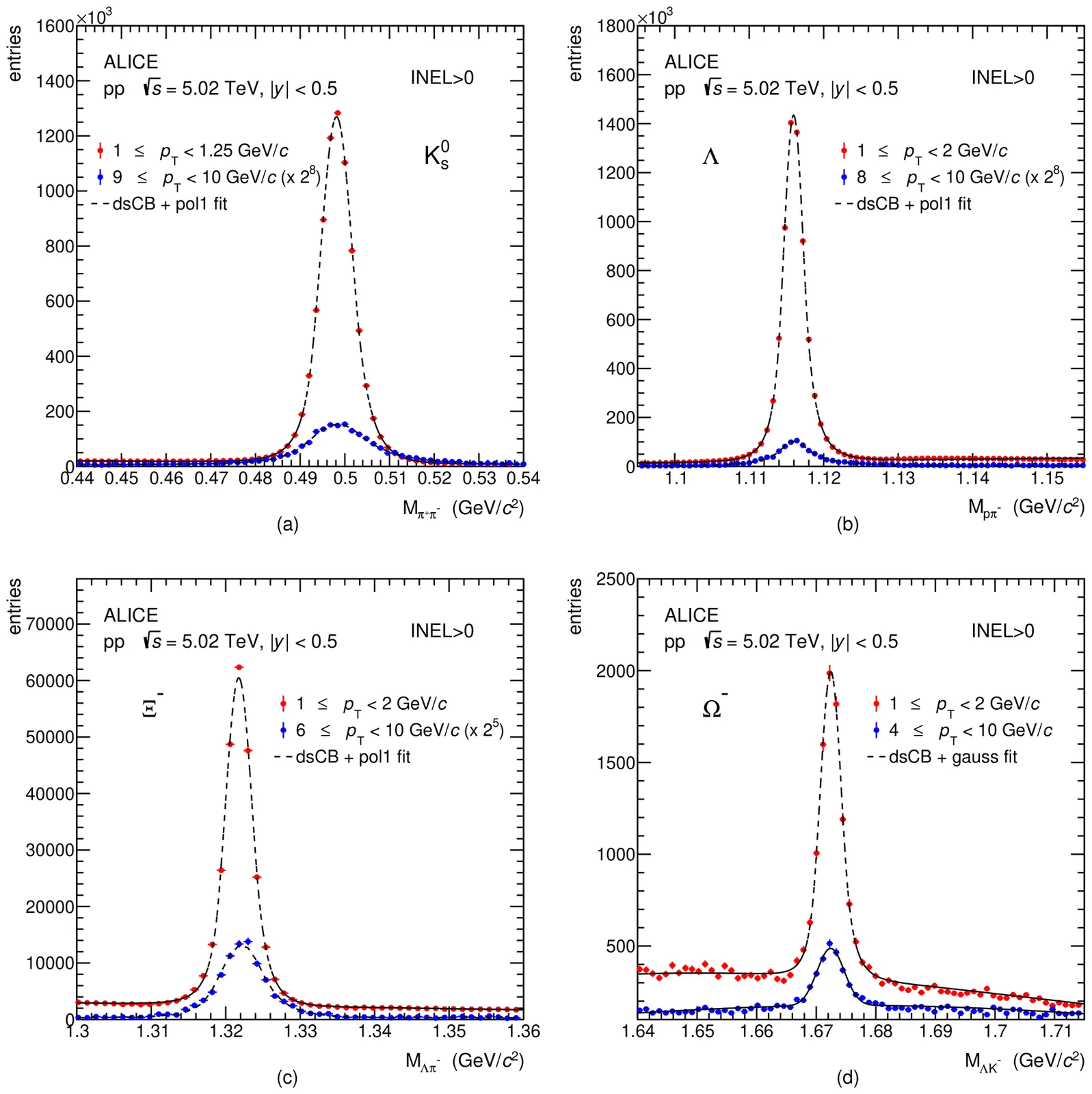
The probability to observe a specific number of strange and multi-strange hadrons ($n_s$), denoted as $P(n_s)$, is measured by ALICE at midrapidity ($|y|<0.5$) in $\sqrt{s} = 5.02$ TeV proton-proton (pp) collisions, dividing events into several multiplicity-density classes. Exploiting a novel technique based on counting the number of strange-particle candidates event-by-event, this measurement allows one to extend the study of strangeness production beyond the mean of the distribution. This constitutes a new test bench for production mechanisms, probing events with a large imbalance between strange and non-strange content. The analysis of a large-statistics data sample makes it possible to extract $P(n_s)$ up to a maximum $n_s$ of 7 for K$^{0}_{\rm s}$, 5 for $Λ$ and $\barΛ$, 4 for $Ξ^-$ and $Ξ^+$, and 2 for $Ω^-$ and $Ω^+$. From this, the probability of producing strange hadron multiplets per event is calculated, thereby enabling the extension of the study of strangeness enhancement to extreme situations where several strange quarks hadronize in a single event at midrapidity. Moreover, comparing hadron combinations with different $\it{u}$ and $\it{d}$ quark compositions and equal overall $s$ quark content, the contribution to the enhancement pattern coming from non-strangeness related mechanisms is isolated. The results are compared with state-of-the-art phenomenological models implemented in commonly used Monte Carlo event generators, including PYTHIA 8 Monash 2013, PYTHIA 8 with QCD-based Color Reconnection and Rope Hadronization (QCD-CR + Ropes), and EPOS LHC, which incorporates both partonic interactions and hydrodynamic evolution. These comparisons show that the new approach dramatically enhances the sensitivity to the different underlying physics mechanisms modeled by each generator.
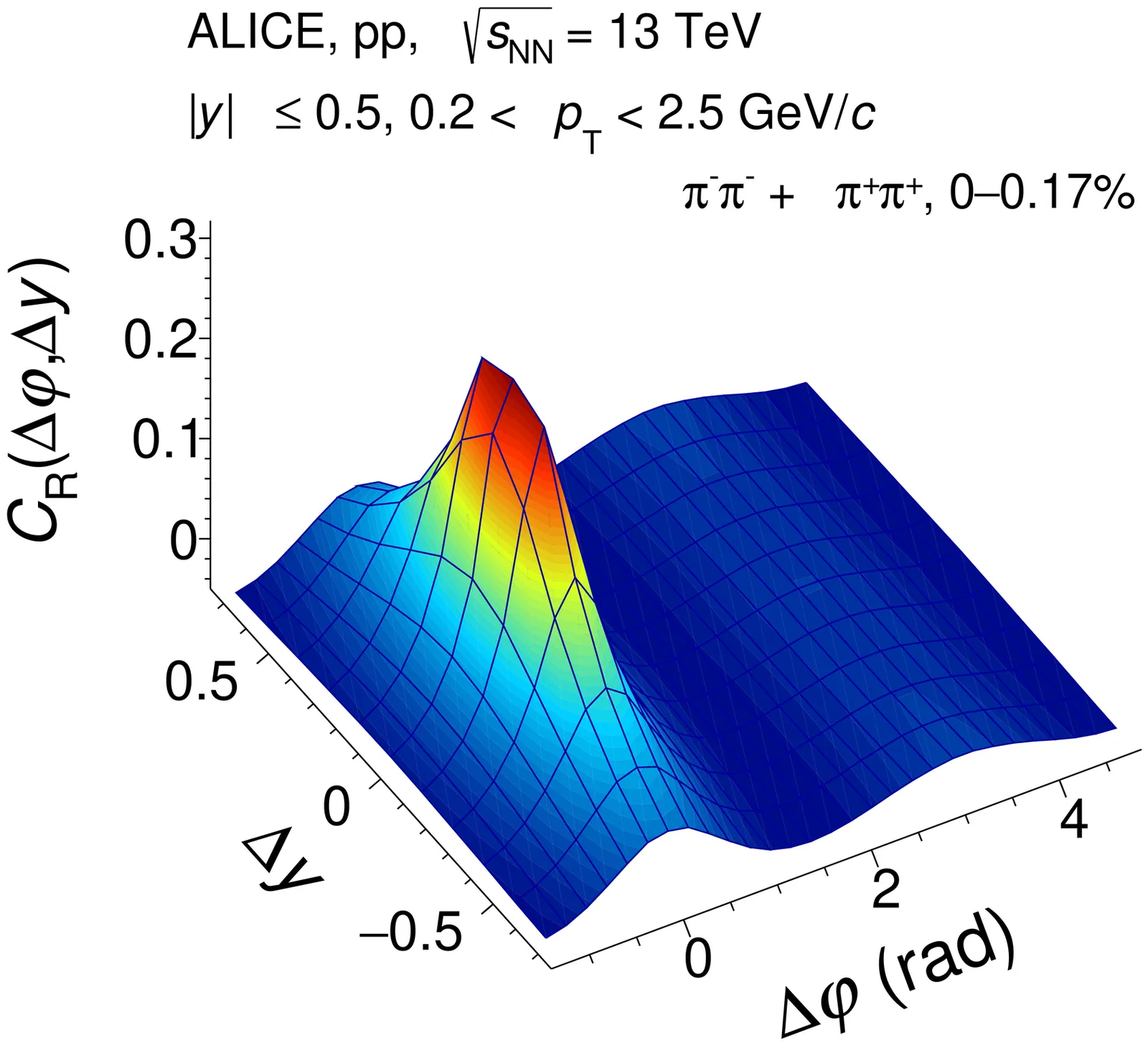
Two-particle angular correlations explore particle production mechanisms and underlying event-wide phenomena present in the systems created in hadronic collisions. These correlations are examined as a function of rapidity and azimuthal-angle differences ($Δy, Δ\varphi$) for pairs of like- and unlike-sign pions, kaons, and (anti-)protons produced in pp collisions at $\sqrt{s}$ = 13 TeV, measured by the ALICE experiment. Two-particle correlation functions are provided, along with $Δy$ and $Δ\varphi$ projections, and are compared to Monte Carlo (MC) model predictions. For the first time, the measurement is performed as a function of the event's charged-particle density. The shapes of the correlation functions are studied in detail for each particle pair. Previous studies conducted for pp collisions at $\sqrt{s}$ = 7 TeV at ALICE have revealed an anticorrelation at small relative angles for baryon-baryon and antibaryon-antibaryon pairs, whose origin remains an open question. In this work, an additional approach is introduced to study the multiplicity dependence of the correlation functions in more detail and reveal qualitative differences in the underlying sources of correlations, such as quantum statistics, final-state interactions, and resonance decays. The puzzling near-side anticorrelation in baryon-baryon measurements is observed across all multiplicity classes and remains a challenge for models of particle production in pp collisions. Furthermore, the multiplicity dependence of the correlations between mesons provides an independent means to explore the sensitivity of current MC models to soft-QCD effects and hadronization dynamics. The presented measurements, together with the baryon results, enrich the experimental picture of two-particle correlations in pp collisions and serve as valuable input for ongoing theoretical developments.
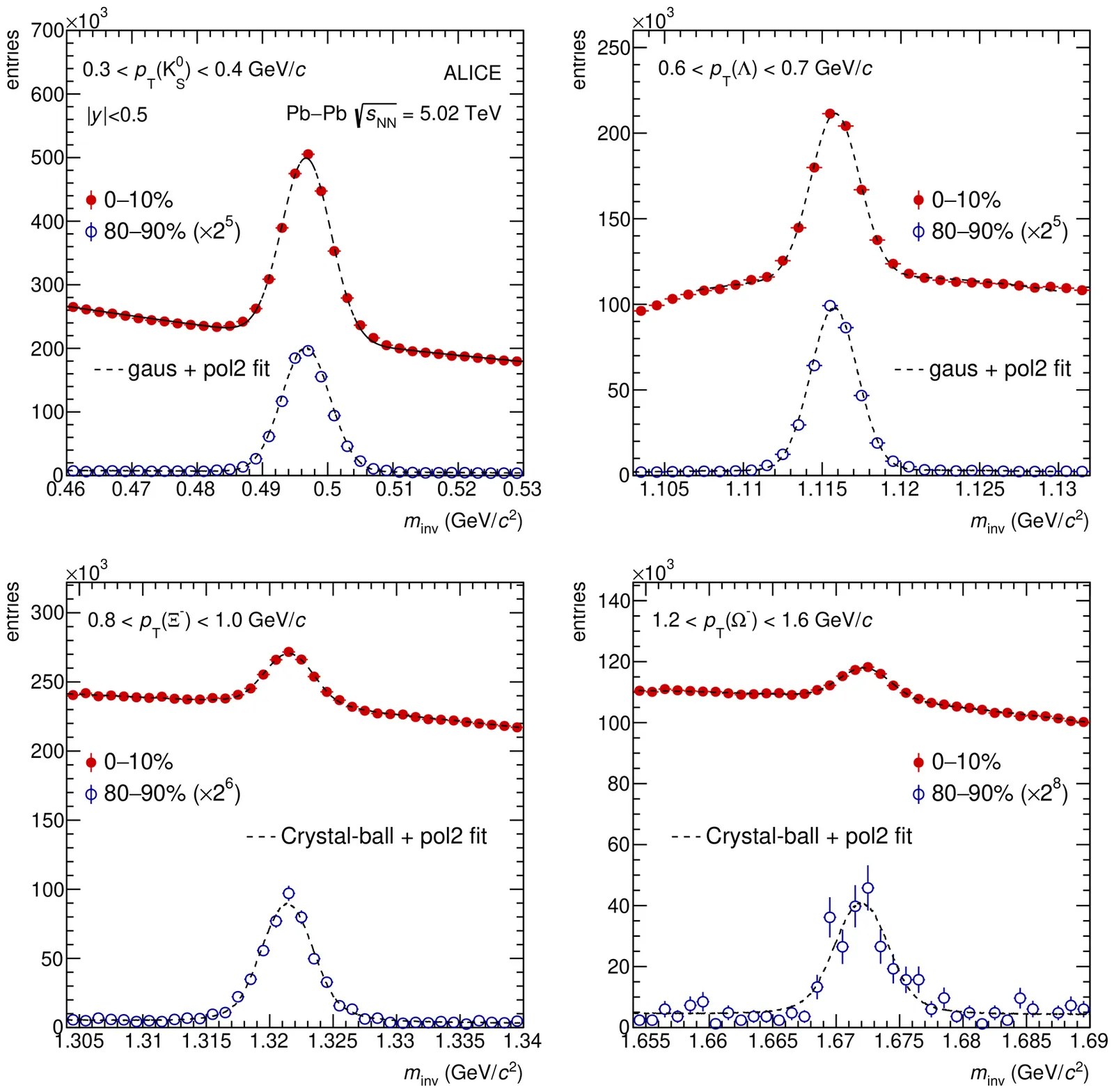
The centrality dependence of strange ($K_S^0$, $Λ+ \barΛ$) and multi-strange ($Ξ^- + \bar{Ξ^+}$, $Ω^- + \barΩ^+$) hadron production is measured by ALICE in the LHC lead-lead (Pb-Pb) collisions at a center-of-mass energy per nucleon pair $\sqrt{s_{\rm NN}} = 5.02$~TeV, using the full data set collected during the LHC Run 2 campaign in the years 2015 and 2018. This is the largest heavy-ion data set analyzed to date at the LHC, and it allows for the extraction of transverse momentum ($p_T$) spectra and $p_T$-integrated yields with unprecedented precision, over a broad range of charged particle multiplicity densities ($\langle dN_{ch}/dη\rangle_{|η|<0.5}$), probing regions where smaller collision system (pp and p-Pb) results are also available. The $p_T$ spectra evolve with centrality, featuring higher $\langle p_T \rangle$ in central events for all particles. The $Λ/K_S^0$ ratio exhibits the distinctive baryon-to-meson enhancement in the intermediate $p_T$ region, with a maximum which is shifted to larger $p_T$ for more central collisions. The hadron-to-pion yield ratios are presented as a function of $\langle dN_{ch}/dη\rangle_{|η|<0.5}$ and compared to results from different collision systems and energies. A smooth connection from pp to Pb-Pb is observed, thus demonstrating that collision system or energy do not play a role in the multiplicity evolution of this observable. The previously reported enhancement of strangeness production in the multiplicity range probed in pp and p_Pb collisions saturates in the multiplicity range of Pb-Pb data. These results constitute a key test bench for theoretical models and a first comparison to the EPOS~4 generator is presented.
 2511.10322
In this document, experimental nuclear structure data are evaluated for 16Be. The details of each reaction populating 16Be levels are compiled and evaluated. The combined results provide a set of adopted values that include level energies, spins and parities, level widths, decay types and other nuclear properties.
2511.10321In this document, experimental nuclear structure data are evaluated for 15Be. The details of each reaction populating 15Be levels are compiled and evaluated. The combined results provide a set of adopted values that include level energies, spins and parities, level widths, decay types and other nuclear properties.
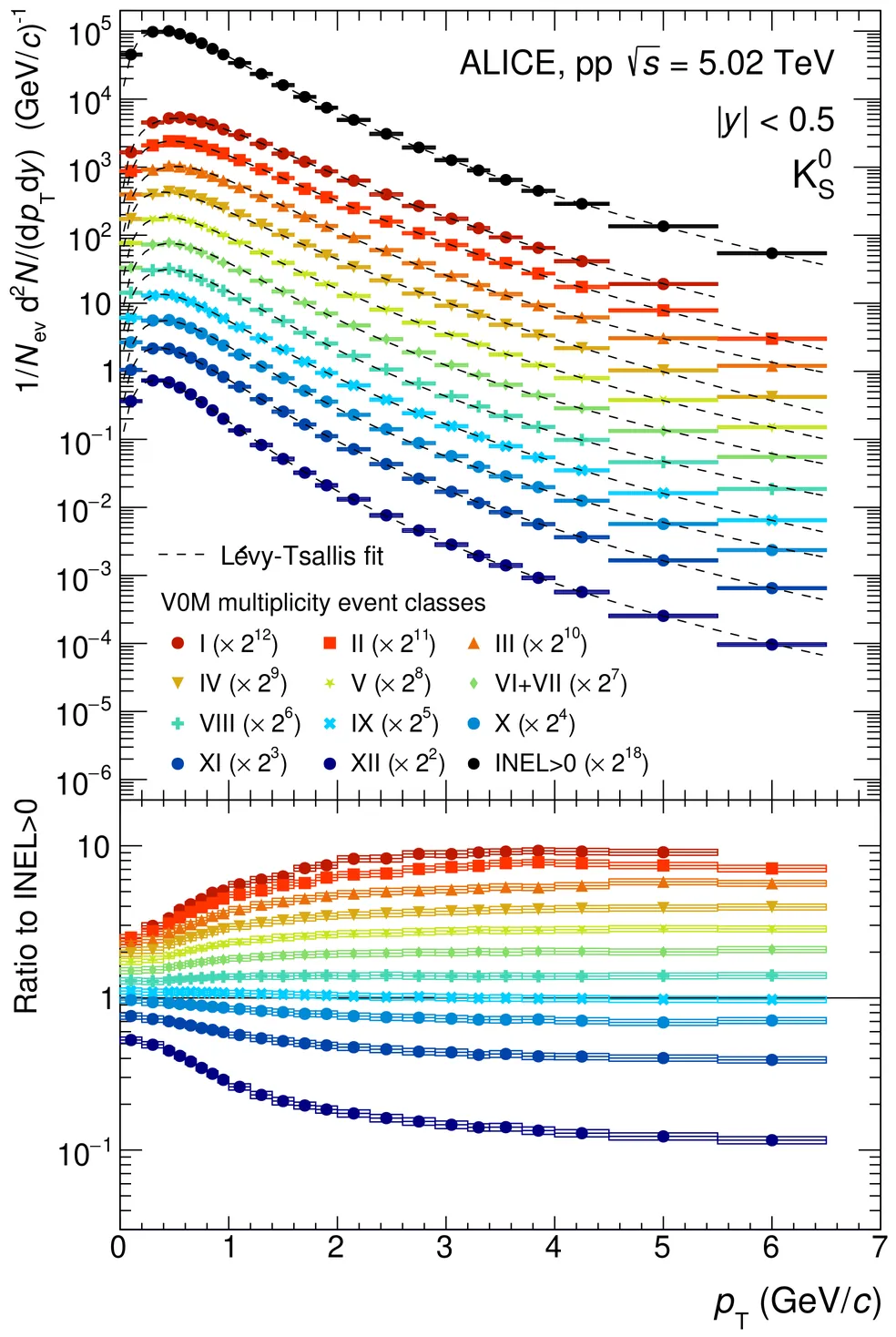
(Multi-)strange particle production rates and transverse momentum distributions are measured at midrapidity ($|y| < 0.5$) as a function of the charged-particle multiplicity density by the ALICE experiment at the LHC, using proton-proton collisions at a center-of-mass energy of ${\bf \sqrt{s}~=~5.02}$~TeV. This study extends similar studies performed at ${\bf \sqrt{s}~=~7}$~TeV and ${\bf \sqrt{s}~=~13}$~TeV to a lower energy regime, improving the statistical precision and extending the measurement to previously unexplored low-multiplicity regions. While $K_S^0$, $Λ$, and $Ξ$ yields can be described with a linear multiplicity dependence within uncertainties, the $Ω$ yields follow a significantly faster than linear increasing trend. For all analyzed particles, the overall production rate is consistent with those observed at higher energy and at similar multiplicity densities. Transverse momentum distributions are observed to evolve with multiplicity. Several state-of-the-art QCD-inspired Monte Carlo models have been compared to the data, testing some recently introduced features to address the findings at higher energies. Models can qualitatively describe the transverse momentum spectra and the $Λ/K_S^0$ spectral ratio only if collectivity is introduced in the evolution of the system.
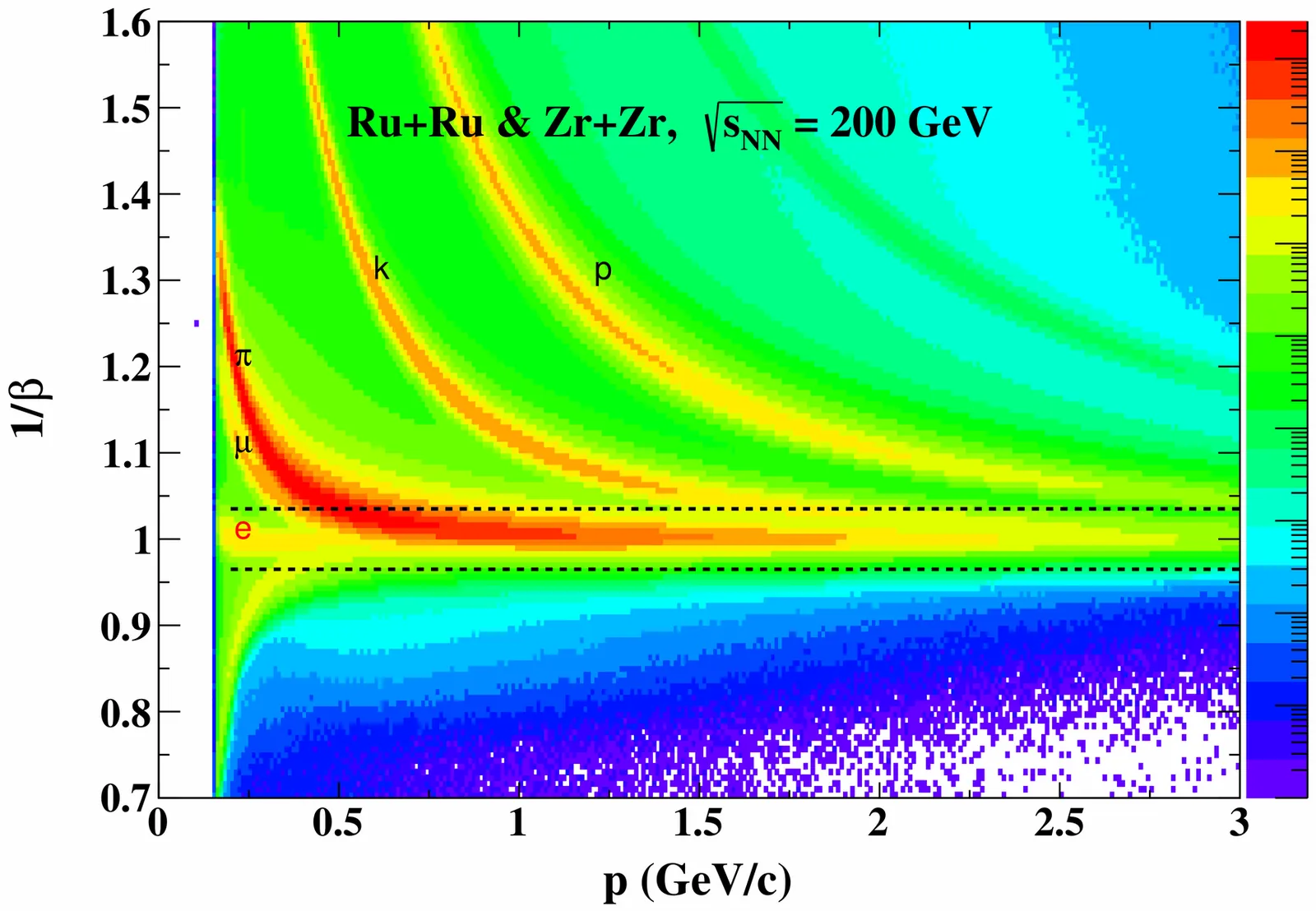
Machine learning techniques are increasingly being applied in high-energy nuclear physics data analysis thanks to their outstanding performance. One key challenge in such applications is the construction of training samples that can accurately represent real data. Training samples are typically generated through detector simulations, but discrepancies between simulated and real data can lead to degradation in machine learning performance and systematic biases in the results. This paper introduces two methods: i) cumulative distribution function mapping and ii) shift-and-scale, to align simulated signals with real data, which can aid in eliminating the aforementioned issues. We use the J/$ψ$ yield measurement in 200 GeV Ru+Ru and Zr+Zr collisions with the STAR experiment as an example to demonstrate the application and effectiveness of the proposed methods.
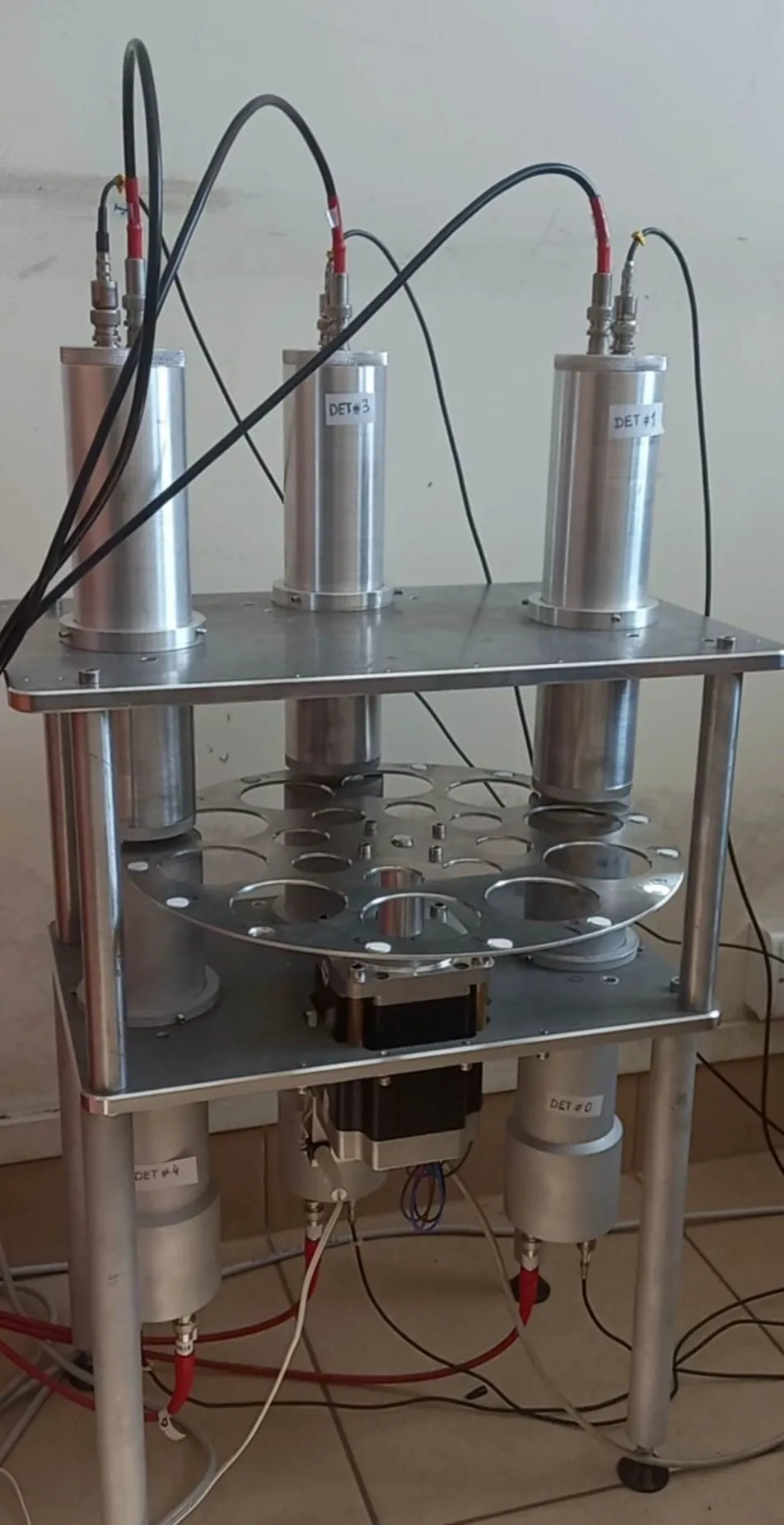
During proton therapy, the beam flux decreases due to inelastic interactions with nuclei. At the highest energies used in proton therapy around 25\% protons initiate nuclear reactions. This report presents the cross section measurements of proton-induced production of three $β^+$ emitters -- $^{11}$C, $^{13}$N, $^{15}$O -- with half-lives between 2 and 20 minutes, using solid C, BN and SiO$_2$ targets. Stacks of up to 15 targets were irradiated simultaneously with proton beams of kinetic energy below 58 MeV at the AIC-144 cyclotron of the Institute of Nuclear Physics, Polish Academy of Sciences. The measured cross sections follow the excitation function obtained in the previous experiments, with uncertainty of a few percent.
2511.07648In this document, experimental nuclear structure data are evaluated for 8C. The details of each reaction populating 8C levels are compiled and evaluated. The combined results provide a set of adopted values that include level energies, spins and parities, level widths, decay types and branching ratios, and other nuclear properties. This work supersedes the earlier work by J. E. Purcell in (2018) published in the ENSDF database.

In this document, experimental nuclear structure data are evaluated for 19Ne. 19Ne was first identified by (1939Fo01), see (2012Th01). The details of each reaction and decay experiment populating 19Ne levels are compiled and evaluated. The combined results provide a set of adopted values that include level energies, spins and parities, level half-lives, γ-ray energies, decay types and branching ratios, and other nuclear properties. This work supersedes the earlier work by Ron Tilley (1995Ti07) published in Nuclear Physics A 595 (1995) 1. The earlier evaluations were published by Fay Ajzenberg-Selove in (1959Aj76, 1972Aj02, 1978Aj03, 1983Aj01, and 1987Aj02).

In this document, experimental nuclear structure data are evaluated for 18Ne for ENSDF. 18Ne was first identified by (1954Go17), see (2012Th01). The details of each reaction and decay experiment populating 18Ne levels are compiled and evaluated. The combined results provide a set of adopted values that include level energies, spins and parities, level half-lives, γ-ray energies, decay types and branching ratios, and other nuclear properties. This work supersedes the earlier work by Ron Tilley (1995Ti07) published in Nuclear Physics A 595 (1995) 1. The earlier evaluations were published by Fay Ajzenberg-Selove in (1959Aj76, 1972Aj02, 1978Aj03, 1983Aj01, and 1987Aj02).
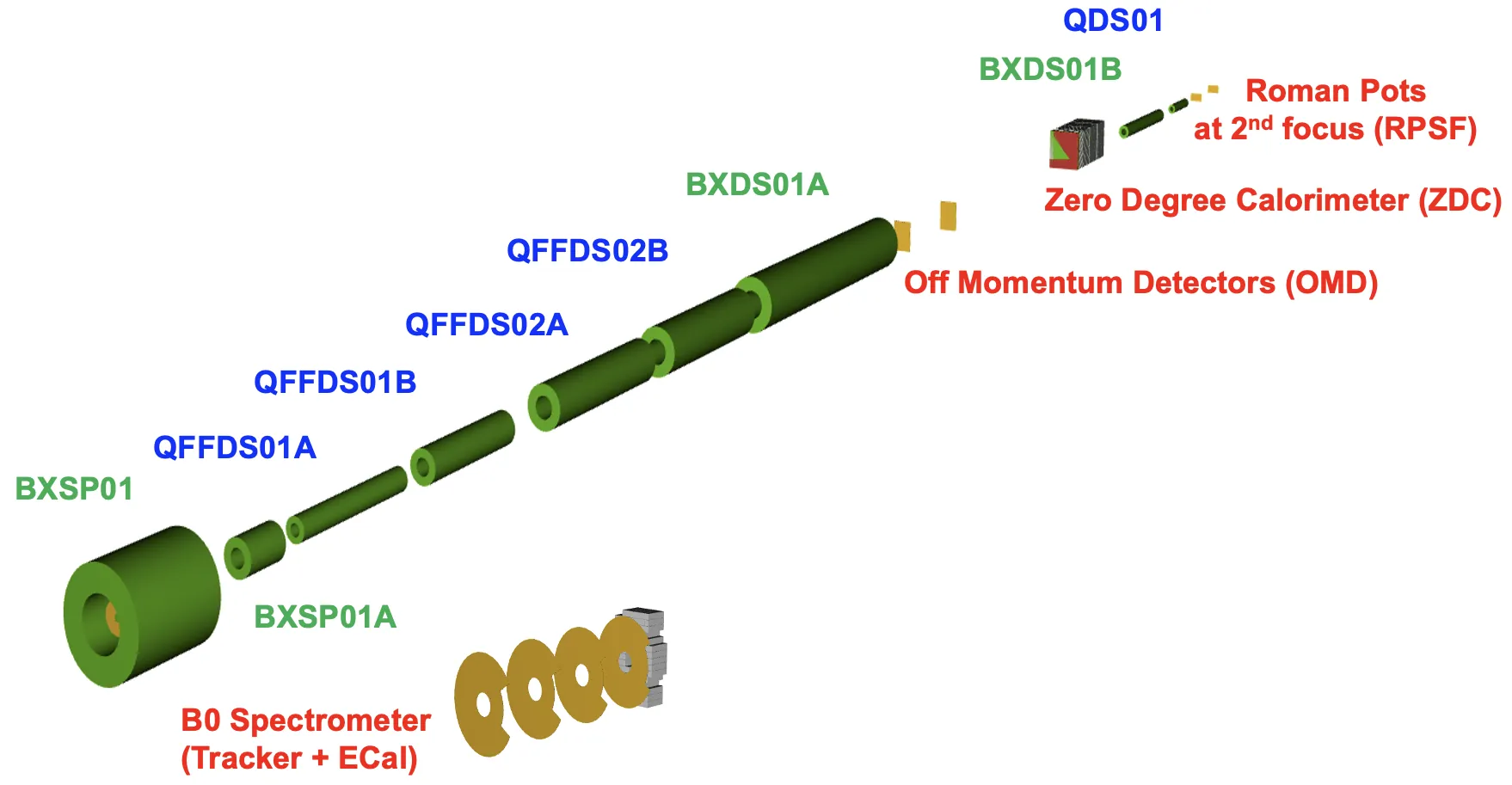
The upcoming Electron-Ion Collider (EIC) will address several outstanding puzzles in modern nuclear physics. Key questions, such as the partonic structure of nucleons and nuclei and the origin of their mass and spin, can be explored through high-energy electron-proton and electron-nucleus collisions. To maximize its scientific reach, the EIC community has advocated for the addition of a second interaction region equipped with a detector complementary to the EIC general purpose collider detector, ePIC. The pre-conceptual design of this interaction region aims to provide a different configuration from the first interaction region, which enhances forward acceptance at very small scattering angles ($θ\sim 0$ mrad). This machine configuration would significantly benefit exclusive, tagging, and diffractive physics programs, complementing those of the ePIC experiment. In particular, accessing coherent diffractive processes on light nuclei by tagging of the full, intact nucleus is essential for mapping their spatial parton distributions. In this work, we present a systematic study of the detection capabilities for light nuclei at a second EIC interaction region, with a detailed discussion of the accessible kinematic phase space and its implications for imaging.
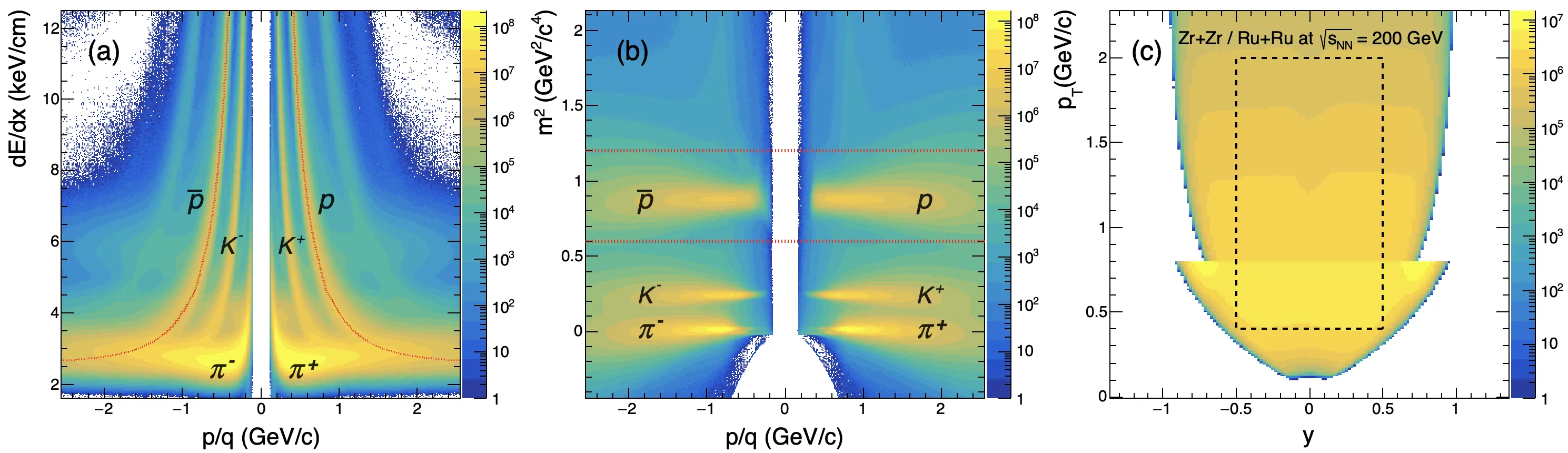
We present measurements of cumulants of event-by-event net-proton distribution at mid-rapidity and their ratios up to the sixth order as a function of charged-particle multiplicity in Zr+Zr and Ru+Ru(isobars) collisions at a nucleon-nucleon center-of-mass energy ($\sqrt{s_{NN}}$) of 200 GeV. The data are collected from the STAR experiment with a total of two billion events recorded for each collision system. The measurements are compared with those obtained from p+p and Au+Au collision systems at the same center-of-mass energy. The higher-order cumulant ratios ($C_4/C_2$, $C_5/C_1$, and $C_6/C_2$) show an overall decreasing trend as a function of the charged-particle multiplicity across systems. The isobar results align with the Au+Au trends within uncertainties. The observations are compared with calculations from Lattice Gauge Theory (LGT) that include a quark-hadron crossover. The systematic behavior of the higher-order cumulant ratios shows that, overall, they progressively approach LGT predictions with increasing multiplicity within uncertainties. This could imply that the medium created in these heavy-ion collisions gradually evolves into thermalized QCD matter undergoing a crossover transition with multiplicity.
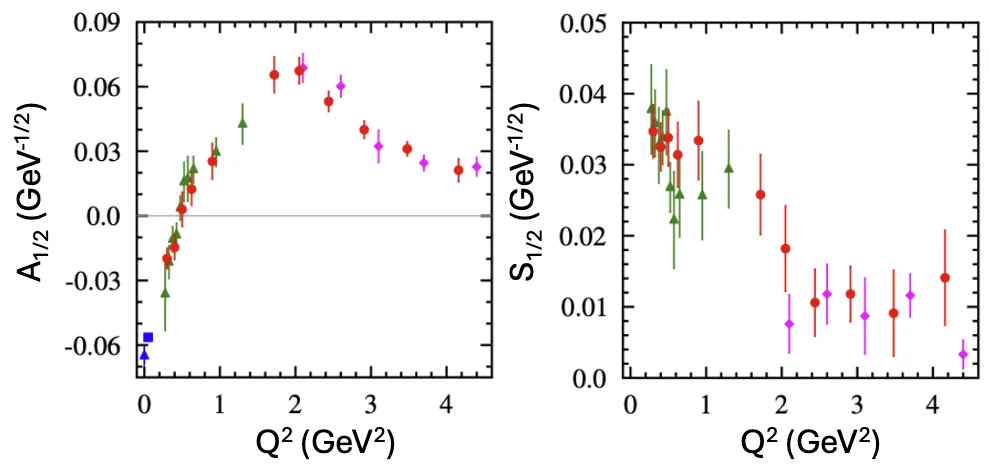
The $N(1440)1/2^+$ nucleon resonance, first identified in 1964 by L.D. Roper and collaborators in analyses of $πN$ hadroproduction data have continued to provide pivotal insights that serve to advance our understanding of nucleon excited states. In this contribution, we present results from studies of the structure of the Roper resonance based on exclusive $πN$ and $π^+π^-p$ electroproduction data measured with the CLAS detector at Jefferson Lab. These analyses have revealed the Roper resonance as a complex interplay between an inner core of three dressed quarks and an external meson--baryon cloud. Analyses of the CLAS results on the evolution of the Roper resonance electroexcitation amplitudes with photon virtuality $Q^2$, within the framework of the Continuum Schwinger Method, have conclusively demonstrated the capability to gain insight into the strong interaction dynamics responsible for generating more than 98\% of hadron mass. Further extension of such studies to higher $Q^2$--through experiments currently underway with the CLAS12 detector and in the future with a potential CEBAF energy upgrade to 22 GeV--offers the only foreseeable opportunity to explore the full range of distances where the dominant portion of hadron mass and resonance structure emerges.
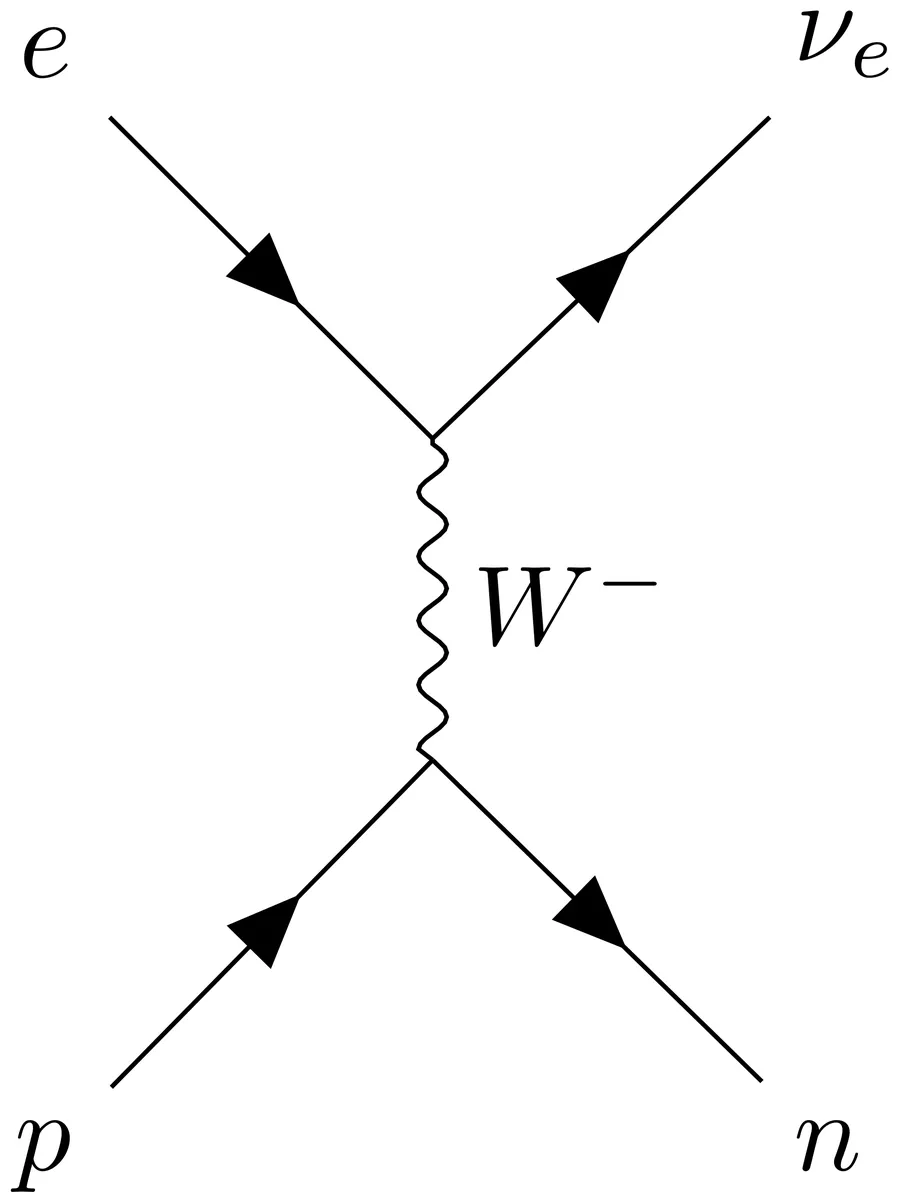
We discuss the measurement of the charged-current elastic scattering process $e^-p\rightarrowν_e n$ at the Electron-Ion Collider (EIC). This process provides sensitivity to the poorly constrained axial form factor of the nucleon, which encodes the spatial distribution of weak charge. Collisions of electrons with polarized protons enable measuring the axial form factor via the $e^{-\!}\,\vec{p} \to ν_e\,n$ target-spin asymmetry for the first time. We conclude that a measurement of charged-current elastic scattering at the EIC will, perhaps unsurprisingly, prove very challenging. However, with dedicated instrumentation at a second EIC detector, the measurement may be possible.
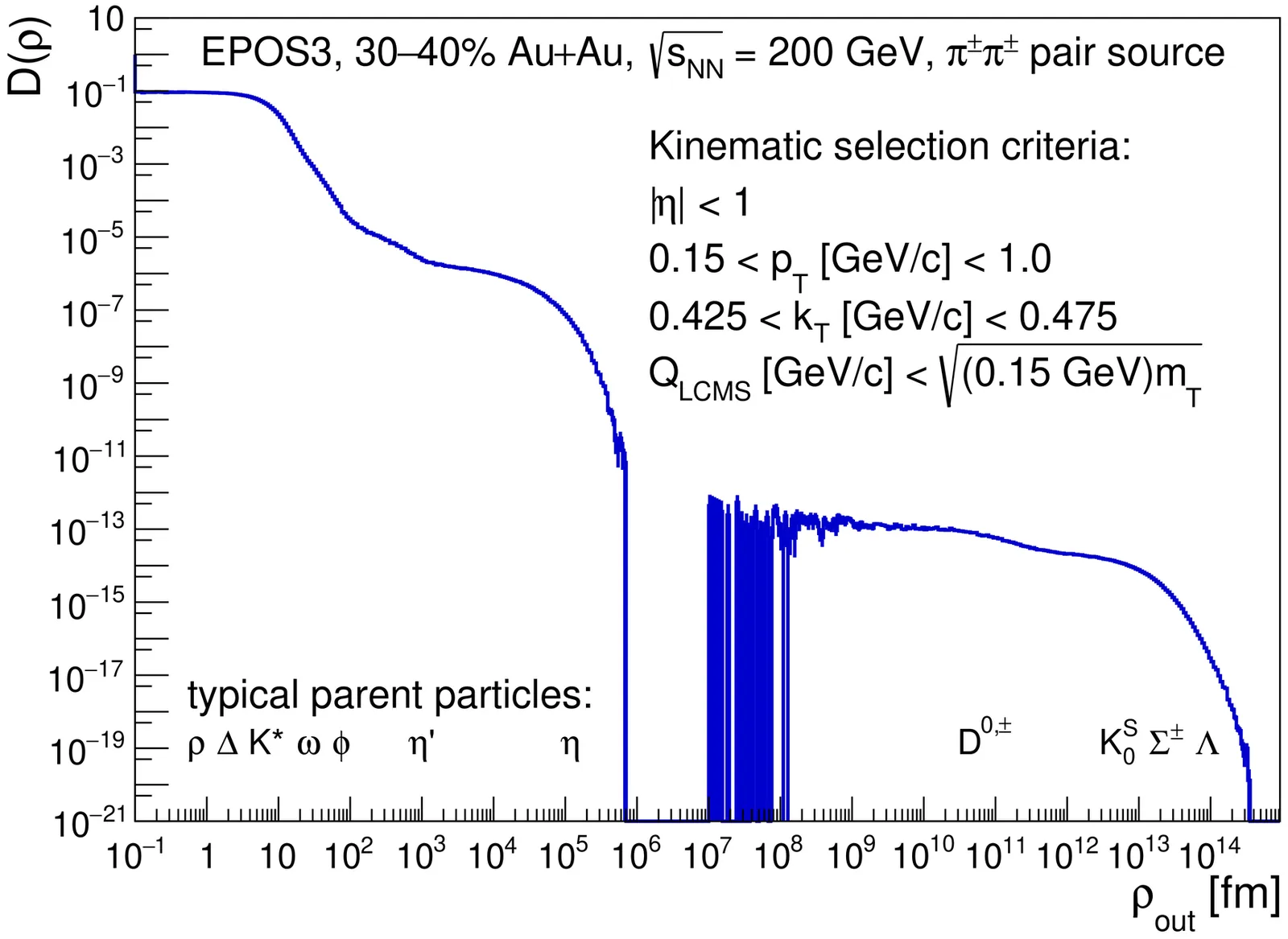
In the era of precision measurements in high-energy heavy-ion physics, there is an increasing expectation towards phenomenological and theoretical studies to provide a better description of data. In recent years, multiple experiments have confirmed through two-pion Bose-Einstein correlation measurements that the shape of the two-pion pair source can be well described by Levy-stable distributions. However, direct comparisons of new phenomenological results with the data are still needed to understand the underlying phenomena and learn more about the nature of pion emission. In this paper, we present a three-dimensional analysis of the two-pion source in Monte-Carlo simulations of Au+Au collisions at 200 GeV per nucleon collision energy, and discuss a detailed comparison with the most recent centrality-dependent measurements from the PHENIX Collaboration.
The upcoming Electron-Ion Collider (EIC) will address several outstanding puzzles in modern nuclear physics. Key questions, such as the partonic structure of nucleons and nuclei and the origin of their mass and spin, can be explored through high-energy electron-proton and electron-nucleus collisions. To maximize its scientific reach, the EIC community has advocated for the addition of a second interaction region equipped with a detector complementary to the EIC general purpose collider detector, ePIC. The pre-conceptual design of this interaction region aims to provide a different configuration from the first interaction region, which enhances forward acceptance at very small scattering angles ($θ\sim 0$ mrad). This machine configuration would significantly benefit exclusive, tagging, and diffractive physics programs, complementing those of the ePIC experiment. In particular, accessing coherent diffractive processes on light nuclei by tagging of the full, intact nucleus is essential for mapping their spatial parton distributions. In this work, we present a systematic study of the detection capabilities for light nuclei at a second EIC interaction region, with a detailed discussion of the accessible kinematic phase space and its implications for imaging.
The $N(1440)1/2^+$ nucleon resonance, first identified in 1964 by L.D. Roper and collaborators in analyses of $πN$ hadroproduction data have continued to provide pivotal insights that serve to advance our understanding of nucleon excited states. In this contribution, we present results from studies of the structure of the Roper resonance based on exclusive $πN$ and $π^+π^-p$ electroproduction data measured with the CLAS detector at Jefferson Lab. These analyses have revealed the Roper resonance as a complex interplay between an inner core of three dressed quarks and an external meson--baryon cloud. Analyses of the CLAS results on the evolution of the Roper resonance electroexcitation amplitudes with photon virtuality $Q^2$, within the framework of the Continuum Schwinger Method, have conclusively demonstrated the capability to gain insight into the strong interaction dynamics responsible for generating more than 98\% of hadron mass. Further extension of such studies to higher $Q^2$--through experiments currently underway with the CLAS12 detector and in the future with a potential CEBAF energy upgrade to 22 GeV--offers the only foreseeable opportunity to explore the full range of distances where the dominant portion of hadron mass and resonance structure emerges.
In the era of precision measurements in high-energy heavy-ion physics, there is an increasing expectation towards phenomenological and theoretical studies to provide a better description of data. In recent years, multiple experiments have confirmed through two-pion Bose-Einstein correlation measurements that the shape of the two-pion pair source can be well described by Levy-stable distributions. However, direct comparisons of new phenomenological results with the data are still needed to understand the underlying phenomena and learn more about the nature of pion emission. In this paper, we present a three-dimensional analysis of the two-pion source in Monte-Carlo simulations of Au+Au collisions at 200 GeV per nucleon collision energy, and discuss a detailed comparison with the most recent centrality-dependent measurements from the PHENIX Collaboration.
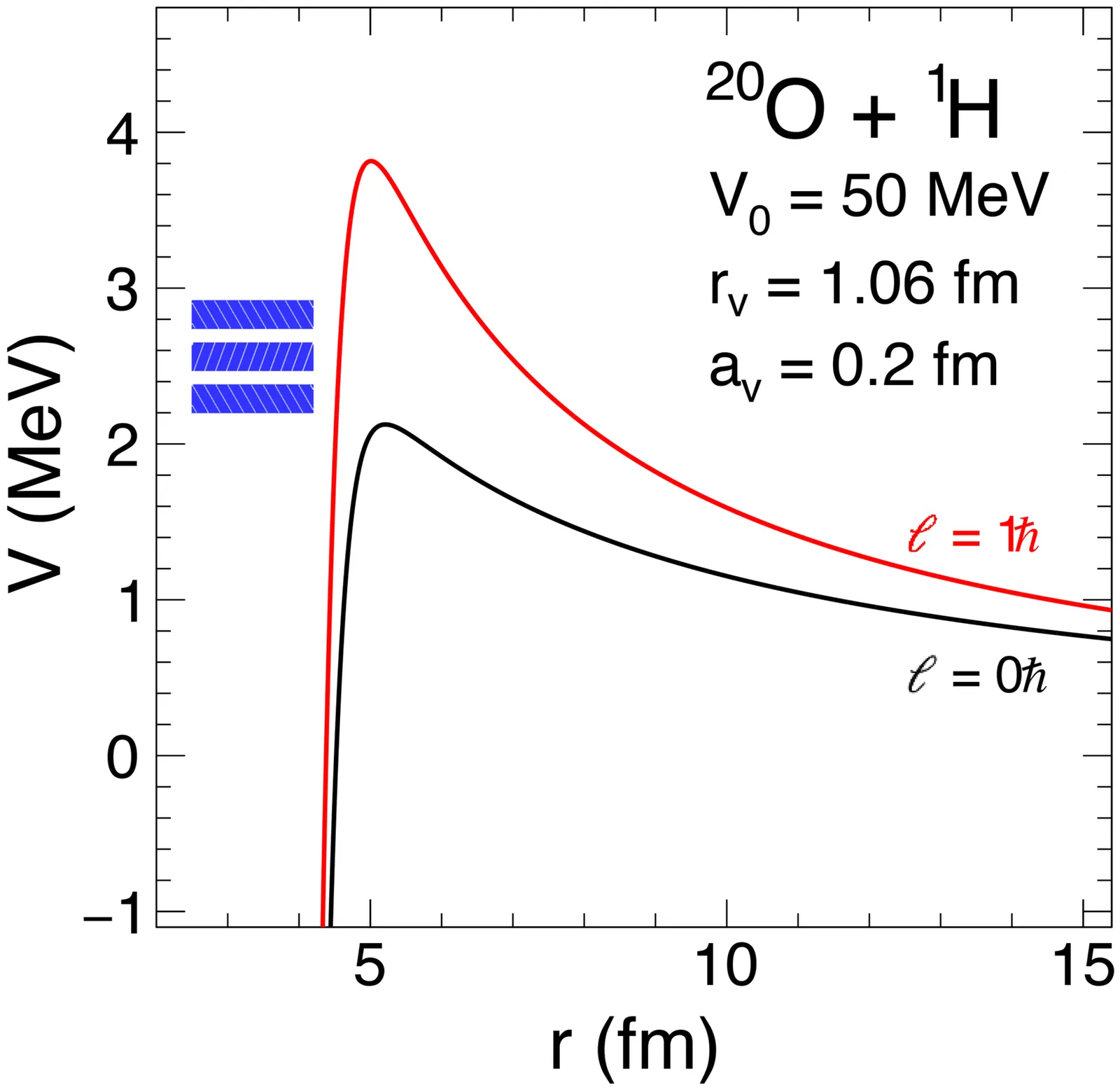
Using an active target detector, the fusion excitation function for $^{20}$O + $^1$H was measured for the first time. Near the barrier, the fusion cross section manifests an oscillatory behavior with broad peaks $\sim$50-100 keV wide. The presence of these peaks likely reflects the low density of low-angular-momentum states in the quasibound regime. R-matrix coupled channel (CC) calculations that include the first excited 2$^+$ state in $^{20}$O are able to reproduce the observed oscillations. However, one channel CC calculations fail to reproduce the decrease in the sub-barrier cross section experimentally observed.
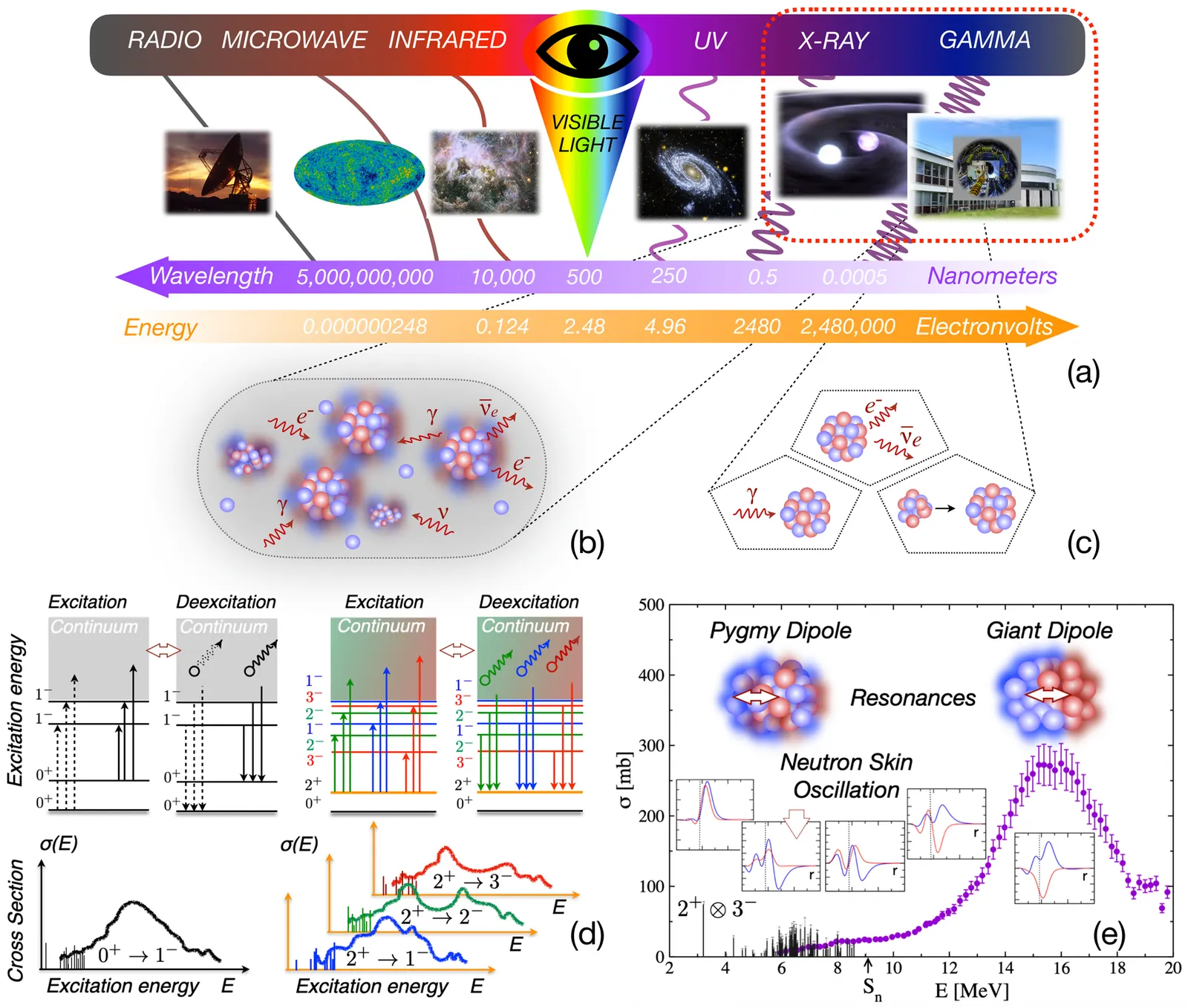
Gamma ($γ$) decay shapes the synthesis of heavy elements in neutron-rich nuclear environments of neutron star mergers, supplying the Universe with heavy elements. The low-energy pygmy dipole resonance (PDR) influences nuclear reaction rates of the rapid nucleosynthesis through enhanced $γ$ transitions. However, since it is difficult to reproduce astrophysical conditions in laboratories, PDR was previously observed only in $J = 1$ spin states. Here we report the first experimental observation of $J > 1$ components of PDR, identified in the $β$-delayed $γ$ decay of the J$^π$ = 3$^{-}$ spin-parity isomer of $^{80}$Ga. The data analysis, combined with decay information and theoretical calculations allows the identification of resonant structures below the neutron emission threshold of the neutron-rich germanium $^{80}$Ge as J$^π = (2,3)^-$ components of the PDR built on the low-lying J$^π$ = 2$^+$ quadrupole state. Our findings extend the concept of PDR beyond dipole states, with implications for nuclear structure theory and experiment, as well as the element production in the cosmos.
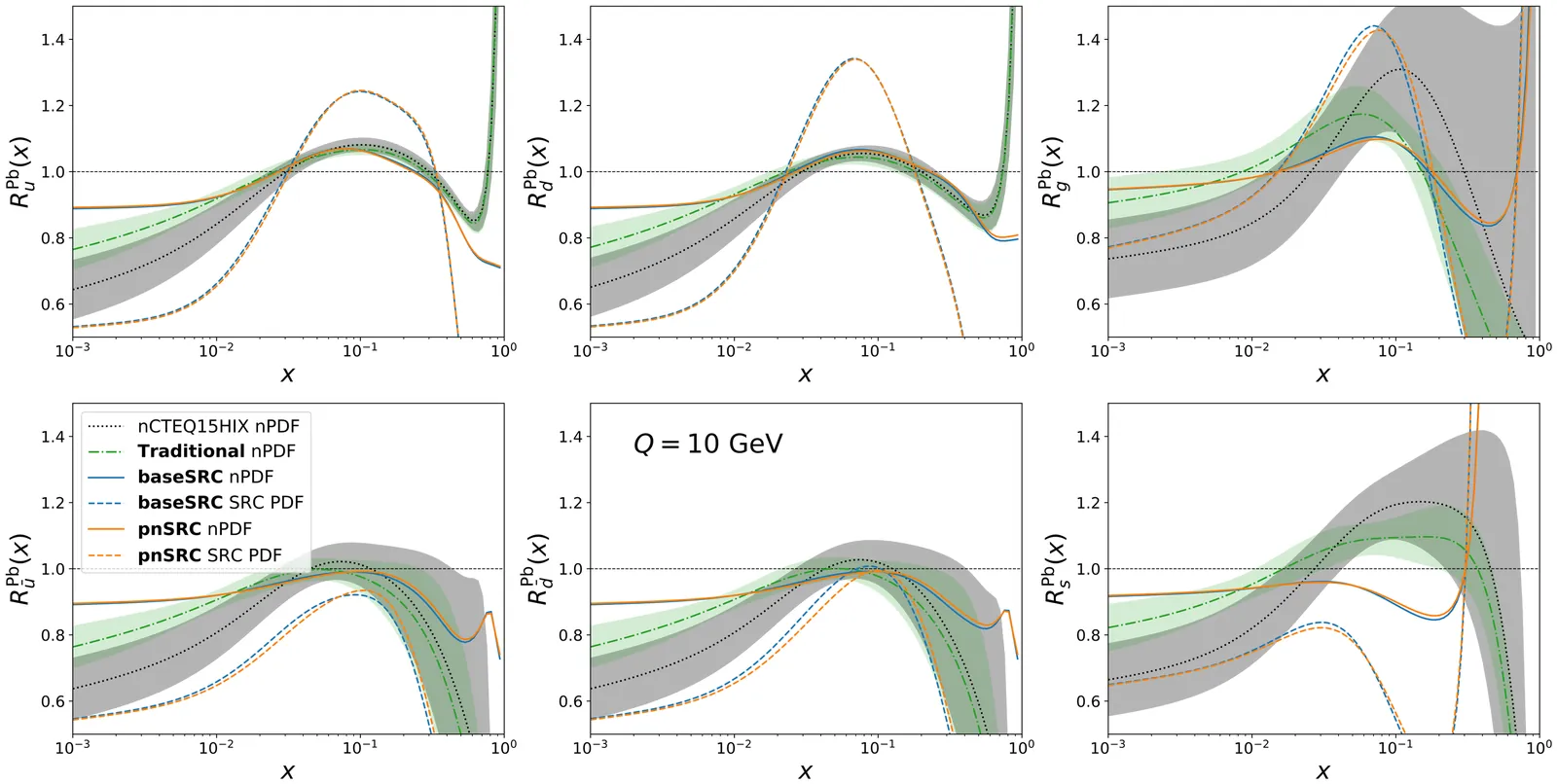
The nuclear EMC effect is the observation that quark distributions in bound nucleons experience significant modification at large $x$ relative to free nucleons. Despite decades of measurements verifying the presence of this effect in quarks across a wide range of nuclei, behavior of large-$x$ gluons in nuclei remains almost completely unknown. As the nuclear physics community seeks out new observables to try to elucidate the mechanisms behind the EMC effect, it becomes striking that we remain ignorant regarding the impact of nuclear effects on gluonic behavior. Recent photonuclear data using the Hall D photon beam have enabled the first measurement of $J/ψ$ photoproduction from nuclei near and below the energy threshold, with the results highlighted in Physical Review Letters as an Editors' Suggestion. These data have placed the first, and currently only, constraints on the behavior of large-$x$ gluons within bound nucleons. However, compared to the quantity of data which currently informs our knowledge of the quark-sector EMC effect, these data are extremely limited, and remain unable to conclusively observe or exclude large modification of gluon distributions. A high-luminosity photonuclear experiment will enable a precision measurement of incoherent $J/ψ$ photoproduction at and below the threshold region. This data will provide the first stringent constraints on nuclear modification of gluon structure or other exotic effects which could impact the production of $J/ψ$ from nuclei. We request 85 PAC days at Hall D using the GlueX detector with a 12 GeV electron beam energy and a coherent photon peak energy of $8$ GeV, split into 80 days using a $^4$He target and 5 calibration days using a $^2$H target.
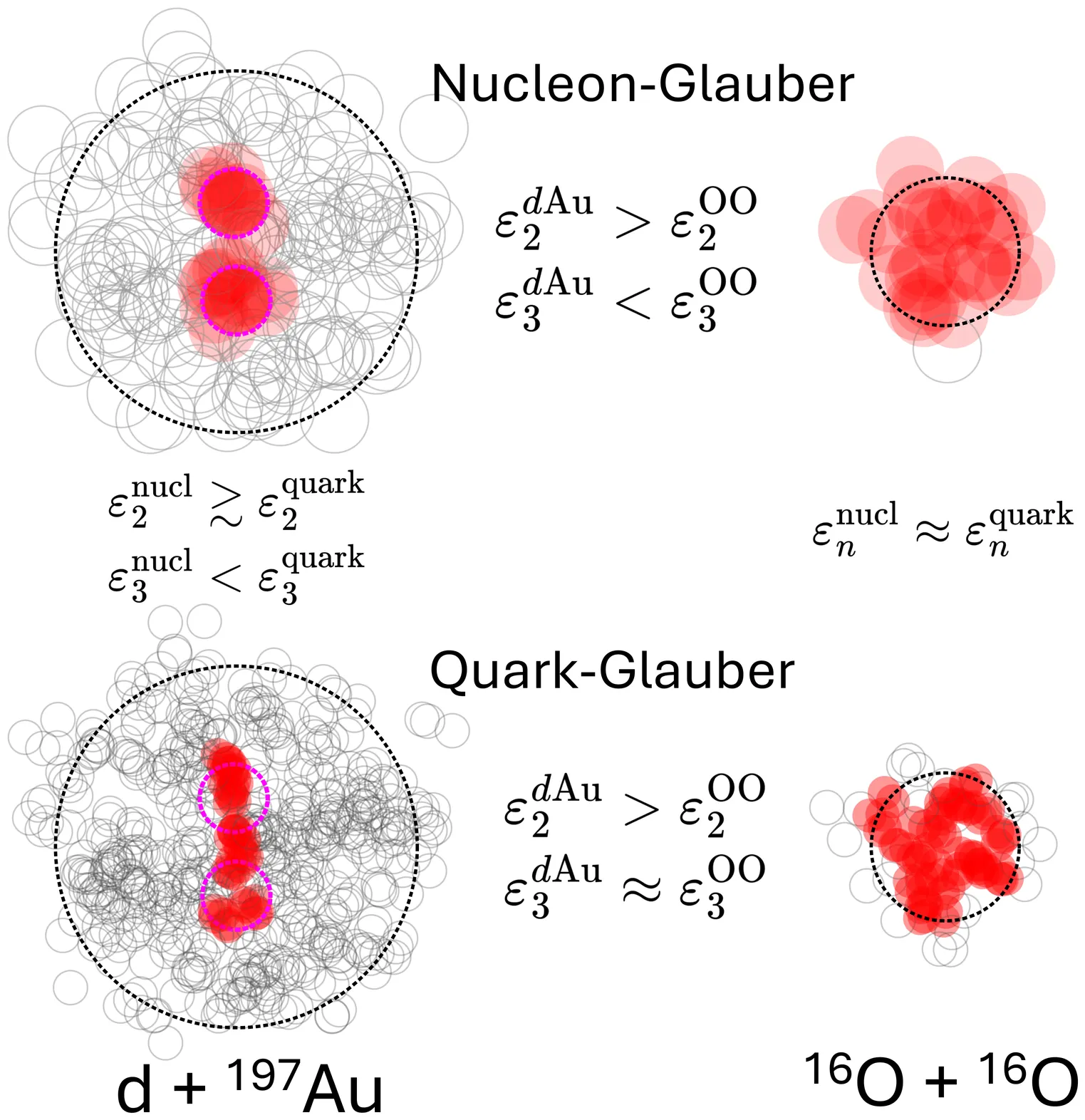
The observation of collective flow phenomena in small collision systems challenges our understanding of quark-gluon plasma (QGP) formation and evolution. This complexity lies in the initial geometries, which are influenced by both nucleon configuration and subnucleonic fluctuations, introducing uncertainties in interpreting flow patterns. We disentangle these contributions through comparative measurements of elliptic ($v_2$) and triangular ($v_3$) flow in asymmetric $d$+Au and symmetric $^{16}$O+$^{16}$O collisions at $\sqrt{s_{NN}}=200$ GeV, which produce medium of comparable sizes but with vastly different initial geometries. The larger $v_2$ in $d$+Au reflects its dominant elliptic geometry, while the similar $v_3$ in both systems is better explained by considering subnucleonic fluctuations. These contrasting flow patterns are quantitatively described by a state-of-the-art hydrodynamic model tuned to large-system Au+Au data, indicating efficient transformation of initial geometries to final-state anisotropies. These results provide evidence for droplet formation in small systems with transport properties that are similar to those observed in large collision systems, consistent with QGP-like behavior.
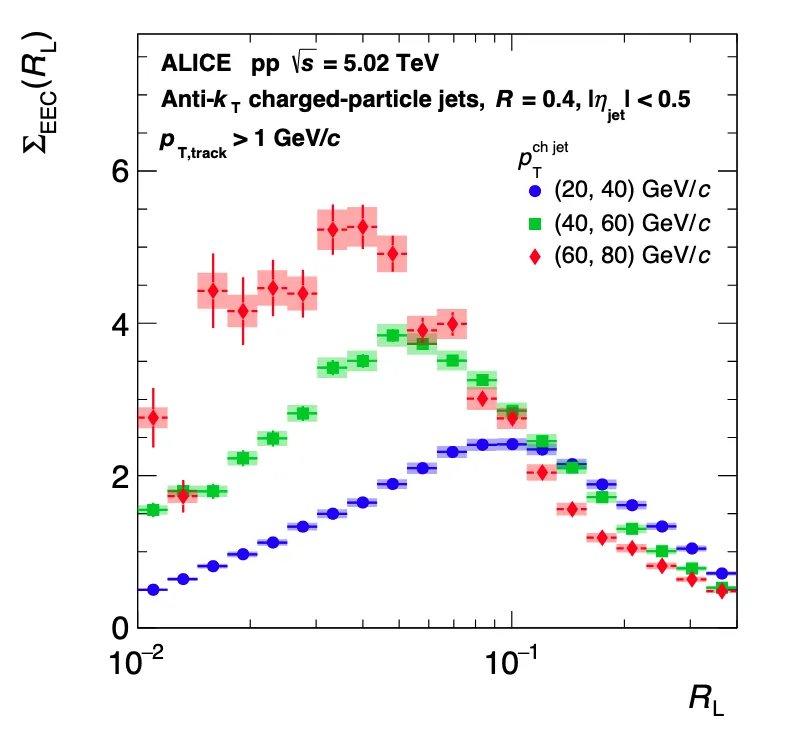
The two-point energy-energy correlator (EEC) is a novel jet substructure observable probing the correlation of energy flow within jets. In these proceedings, three EEC measurements performed by the ALICE Collaboration are reported. First is a finalized measurement in proton-proton collisions, where the angular dependence of the EEC cross-section shows a separation of the perturbative and non-perturbative regimes. The first EEC measurement is reported in heavy-flavor jets, tagged via a fully-reconstructed D$^0$ meson. Here, comparison to inclusive pp jets provides insights into the flavor dynamics of QCD fragmentation and hadronization. Finally, the first measurement of EECs in p-Pb collisions is presented. By comparing the results to pp, modifications in jet evolution caused by the presence of a cold nuclear medium can be studied.

We report on experiments at the Soreq Applied Research Accelerator Facility - Liquid-Lithium Target (SARAF-LiLiT) laboratory dedicated to the study of s-process neutron capture reactions. The kW-power proton beam at 1.92 MeV (1-2 mA) from SARAF Phase I yields high-intensity 30 keV quasi-Maxwellian neutrons (3-5x10^10 n/s). The high neutron intensity enables Maxwellian averaged cross sections (MACS) measurements of samples with short-lived decay products. Neutron capture reactions on nat-Se and nat-Ce were investigated by activation in the LiLiT neutron beam and γ-spectrometry measurements of their decay products.
2510.09864A hot and dense state of nuclear matter, known as the quark-gluon plasma, is created in collisions of ultrarelativistic heavy nuclei. Highly energetic quarks and gluons, collectively referred to as partons, lose energy as they travel through this matter, leading to suppressed production of particles with large transverse momenta ($p_\mathrm{T}$). Conversely, high-$p_\mathrm{T}$ particle suppression has not been seen in proton-lead collisions, raising questions regarding the minimum system size required to observe parton energy loss. Oxygen-oxygen (OO) collisions examine a region of effective system size that lies between these two extreme cases. The CMS detector at the CERN LHC has been used to quantify charged-particle production in inclusive OO collisions for the first time via measurements of the nuclear modification factor ($R_\mathrm{AA}$). The $R_\mathrm{AA}$ is derived by comparing particle production to expectations based on proton-proton (pp) data and has a value of unity in the absence of nuclear effects. The data for OO and pp collisions at a nucleon-nucleon center-of-mass energy $\sqrt{s_\mathrm{NN}}$ = 5.36 TeV correspond to integrated luminosities of 6.1 nb$^{-1}$ and 1.02 pb$^{-1}$, respectively. The $R_\mathrm{AA}$ is below unity with a minimum of 0.69 $\pm$ 0.04 around $p_\mathrm{T}$ = 6 GeV. The data exhibit better agreement with theoretical models incorporating parton energy loss as compared to baseline models without energy loss.
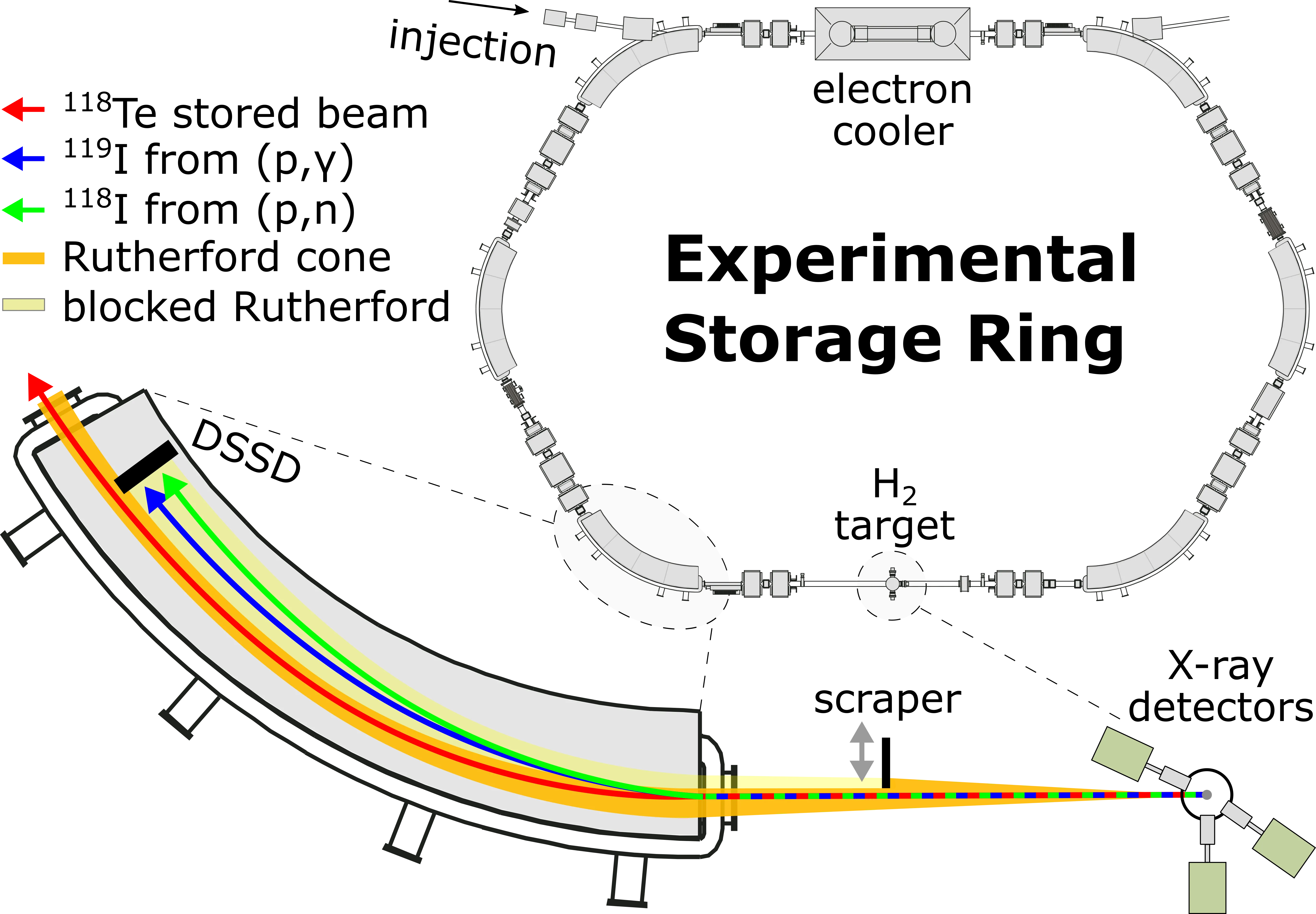
We present the first nuclear cross-section measurements of (p,γ) and (p,n) reactions on 118Te at energies relevant for the γ-process nucleosynthesis. Absolute cross-section values for center-of-mass energies of 6, 7 and 10 MeV are provided, together with a theoretical extrapolation to the Gamow window. This experiment marks the first time that direct proton-induced reactions have been measured on a radioactive ion beam at the Experimental Storage Ring (ESR) at GSI, Darmstadt. This paves the way for a large variety of measurements, delivering new constraints for explosive nucleosynthesis and for physics beyond nuclear stability.
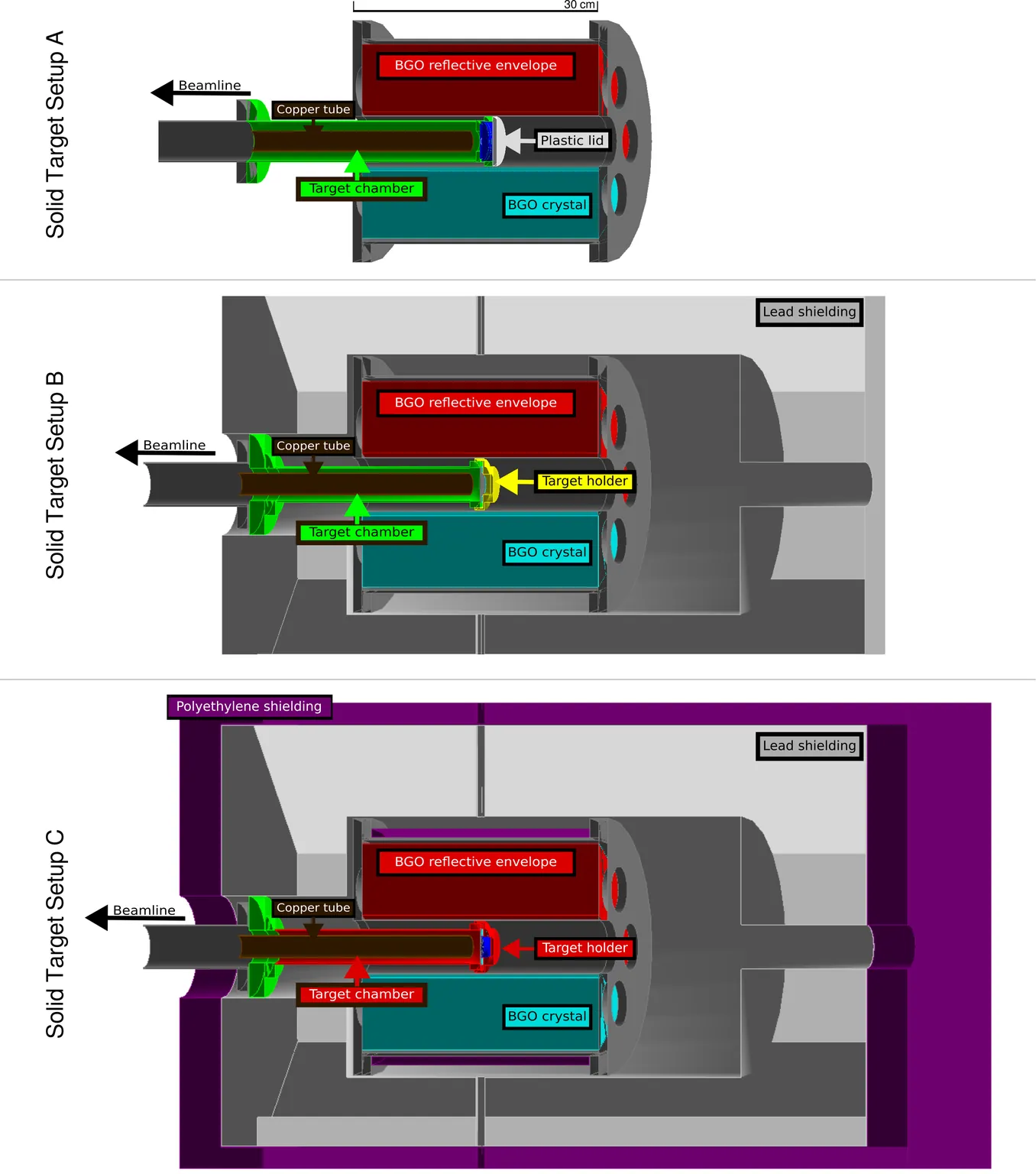
Studies of charged-particle reactions for low-energy nuclear astrophysics require high sensitivity, which can be achieved by means of detection setups with high efficiency and low backgrounds, to obtain precise measurements in the energy region of interest for stellar scenarios. High-efficiency total absorption spectroscopy is an established and powerful tool for studying radiative capture reactions, particularly if combined with the cosmic background reduction by several orders of magnitude obtained at the Laboratory for Underground Nuclear Astrophysics (LUNA). We present recent improvements in the detection setup with the Bismuth Germanium Oxide (BGO) detector at LUNA, aiming to reduce high-energy backgrounds and to increase the summing detection efficiency. The new design results in enhanced sensitivity of the BGO setup, as we demonstrate and discuss in the context of the first direct measurement of the 65 keV resonance ($E_{x} = 5672$ keV) of the $^{17}$O($p,γ$)$^{18}$F reaction. Moreover, we show two applications of the BGO detector, which exploit its segmentation. In case of complex $γ$-ray cascades, e.g. the de-excitation of $E_{x} = 5672$ keV in $^{18}$F, the BGO segmentation allows to identify and suppress the beam-induced background signals that mimic the sum peak of interest. We demonstrate another new application for such a detector in form of in-situ activation measurements of a reaction with $β^{+}$ unstable product nuclei, e.g., the $^{14}$N($p,γ$)$^{15}$O reaction.
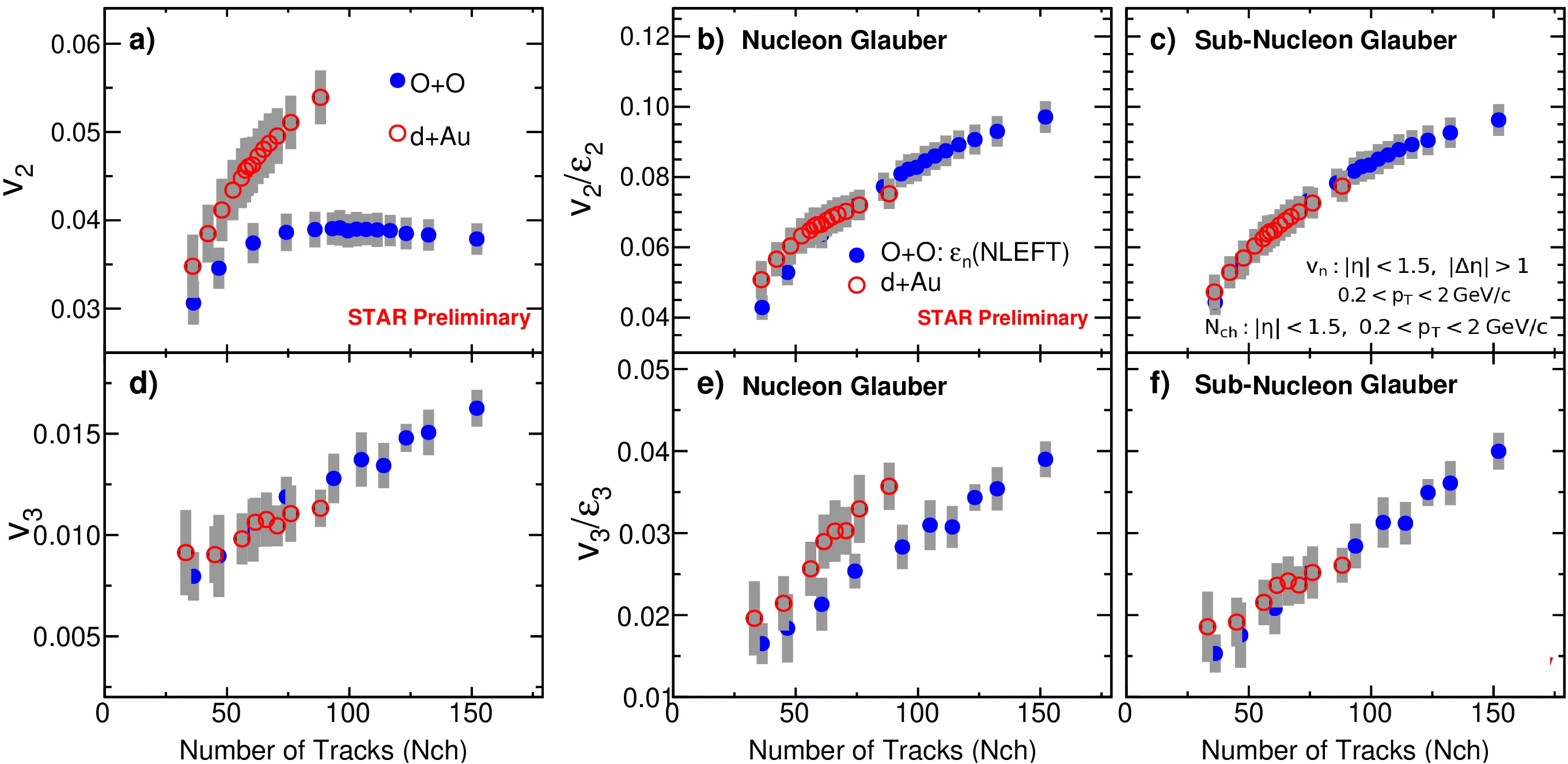
This contribution reports STAR measurements of azimuthal anisotropies in produced particle distributions of the d+Au and $^{16}$O+$^{16}$O collisions at $\sqrt{s_{NN}} = 200$ GeV, probing the origin of collectivity in small systems. We test the hydrodynamic response of the produced medium by comparing these systems with vastly different initial geometries. The measured elliptic ($v_2$) and triangular ($v_3$) anisotropies, and their event-by-event fluctuations, scale robustly with initial-state eccentricities, consistent with the hydrodynamic behavior expected from a Quark Gluon Plasma (QGP) droplet formed in these collisions. The result also helps constrain the role of sub-nucleon fluctuations in determining the initial conditions. Second, the wide pseudorapidity coverage of the STAR detector is used to investigate longitudinal dynamics. Correlations across different rapidity gaps show no significant impact from flow decorrelation, but non-flow contributions are substantial and require careful subtraction.
2510.02580The long-range collective flow of particles produced in oxygen-oxygen (OO) and neon-neon (NeNe) collisions is measured with the CMS detector at the CERN LHC. The data samples were collected at a center-of-mass energy per nucleon pair of 5.36 TeV, with integrated luminosities of 7 nb$^{-1}$ and 0.8 nb$^{-1}$ for OO and NeNe collisions, respectively. Two- and four-particle azimuthal correlations are measured over nearly five units of pseudorapidity. Significant elliptic ($v_2$) and triangular ($v_3$) flow harmonics are observed in both systems. The ratios of $v_n$ coefficients between NeNe and OO collisions reveal sensitivity to quadrupole correlations in the nuclear wave functions. Hydrodynamic models with $\textit{ab initio}$ nuclear structure inputs qualitatively reproduce the collision-overlap dependence of both the $v_n$ values and the NeNe to OO ratios. These measurements provide new constraints on hydrodynamic models for small collision systems and offer valuable input on the nuclear structure of $^{16}$O and $^{20}$Ne.
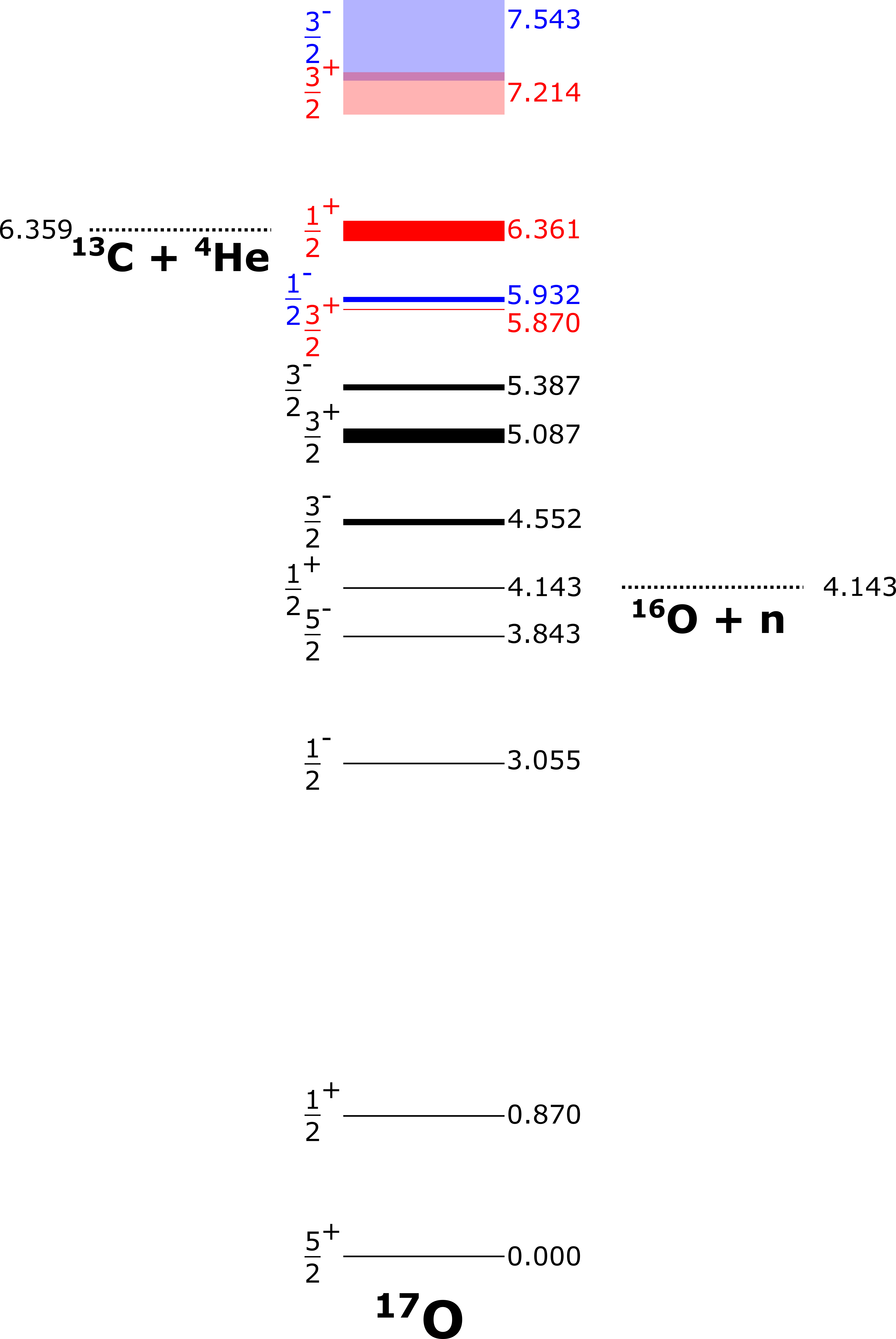
The 13C(a,n)16O reaction is the main neutron source of the s-process taking place in thermally pulsing AGB stars and it is one of the main candidate sources of neutrons for the i-process in the astrophysical sites proposed so far. Therefore, its rate is crucial to understand the production of the nuclei heavier than iron in the Universe. For the first time, the LUNA collaboration was able to measure the 13C(a,n)16O cross section at Ec.m.=0.23-0.3 MeV drastically reducing the uncertainty of the S(E)-factor in the astrophysically relevant energy range. In this paper, we provide details and critical thoughts about the LUNA measurement and compare them with the current understanding of the 13C(a,n)16O reaction in view of future prospect for higher energy measurements. The two very recent results (from the University of Notre Dame and the JUNA collaboration) published after the LUNA data represent an important step forward. There is, however, still room for a lot of improvement in the experimental study of the 13C(a,n)16O reaction, as emphasized in the present manuscript. We conclude that to provide significantly better constraints on the low-energy extrapolation, experimental data need to be provided over a wide energy range, which overlaps with the energy range of current measurements. Furthermore, future experiments need to focus on the proper target characterisation, the determination of neutron detection efficiency having more nuclear physics input, such as angular distribution of the 13C(a,n)16O reaction below Ea<0.8 MeV and study of nuclear properties of monoenergetic neutron sources and/or via the study of sharp resonances of 13C(a,n)16O. Moreover, comprehensive, multichannel R-matrix analysis with a proper estimate of uncertainty budget of experimental data are still required.
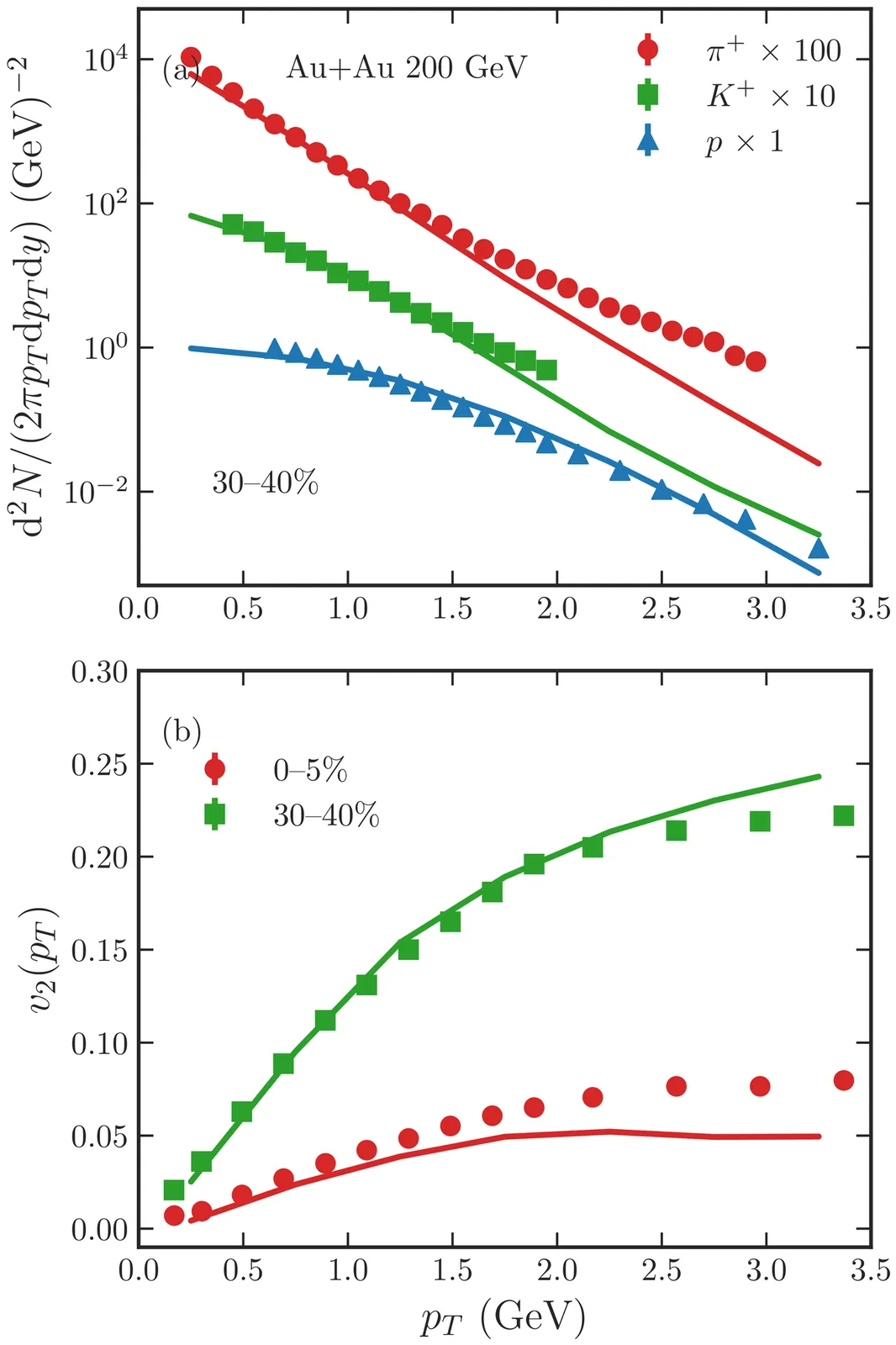
We present a systematic investigation of the transverse-momentum differential radial flow fluctuations observable $v_0(p_T)$ in relativistic heavy-ion collisions at top RHIC ($\sqrt{s_\mathrm{NN}}{\,=\,}200$ GeV) and LHC ($\sqrt{s_\mathrm{NN}}{\,=\,}2.76$ and 5.02 TeV) energies. Using a multistage hydrodynamic model, we assess the sensitivity of $v_0(p_T)$ to a wide range of physical effects, including bulk and shear viscosities, off-equilibrium corrections at particlization, the presence of a hadronic afterburner, and the nucleon size in the initial conditions. By employing complementary rescaling strategies, we demonstrate how different physical effects leave distinct imprints on the shape of $v_0(p_T)$. A combined double-rescaling of $v_0(p_T)/v_0$ versus $p_T/\langle p_T \rangle$ reveals a universality across a wide range of energies and model assumptions in the low-$p_T$ regime, a robust signature of collective behavior. This allows us to disentangle the universal dynamics of the bulk medium from model-specific features that emerge at higher $p_T$. Our results establish $v_0(p_T)$ as a powerful and complementary observable for constraining QGP transport properties and initial-state granularity, offering a unique probe of the created QCD medium.
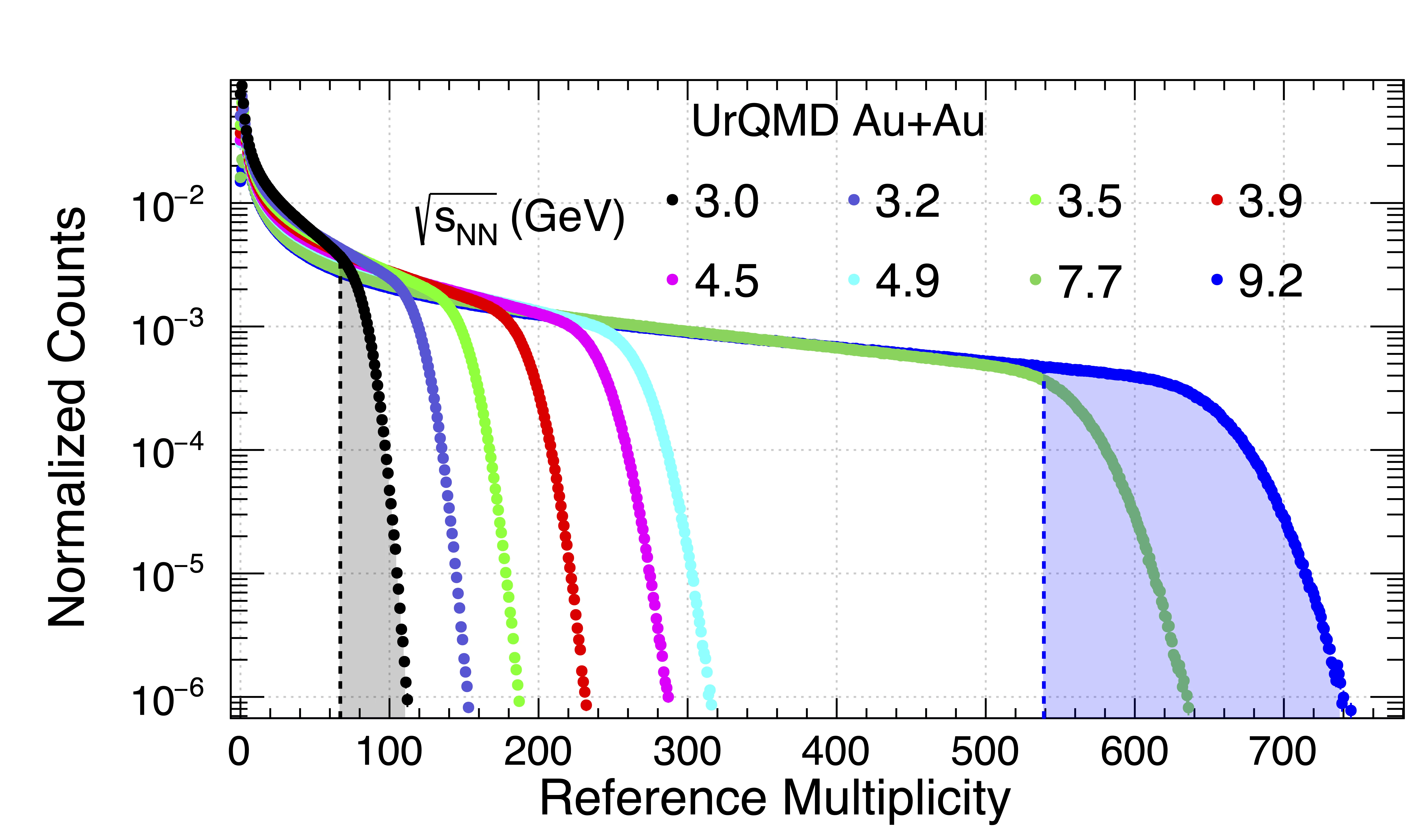
High moments of conserved quantities such as net-baryon, net-electric charge, and net-strangeness in heavy-ion collisions are sensitive to fluctuations caused by the QCD critical point (CP). The event-by-event analysis of high moments of the conserved charges has been widely used in experiments to search for the CP, especially in the RHIC-STAR experiment. In order to establish a {\it dynamical non-critical base line}, especially at the high baryon density region, we have performed a systematic analysis of the proton multiplicity distributions from Au+Au collisions at 3 $\leq$ $\sqrt{s_{NN}}$ $\leq$ 9.2 GeV collisions. The results on beam energy, centrality and rapidity width dependence of proton (factorial) cumulants, up to the $4^{th}$ order, are extracted from the calculations of the hadronic transport model UrQMD. In addition, the effects of initial volume fluctuation is also discussed. These results will be important when we do physics analysis the RHIC beam energy scan (BES) data, especially for the fixed-target data and experimental data from future CBM experiment at FAIR.

Most atomic nuclei exhibit ellipsoidal shapes characterized by quadrupole deformation $β_2$ and triaxiality $γ$, and sometimes even a pear-like octupole deformation $β_3$. The STAR experiment introduced a new "imaging-by-smashing" technique [arXiv:2401.06625, arXiv:2501.16071] to image the nuclear global shape by colliding nuclei at ultra-relativistic speeds and analyzing outgoing debris. Features of nuclear shape manifest in collective observables like anisotropic flow $v_n$ and radial flow via mean transverse momentum $[p_{\mathrm{T}}]$. We present new measurements of the variances of $v_n$ ($n=2$, 3, and 4) and $[p_{\mathrm{T}}]$, and the covariance of $v_n^2$ with $[p_{\mathrm{T}}]$, in collisions of highly deformed $^{238}$U and nearly spherical $^{197}$Au. Ratios of these observables between the two systems effectively suppress common final-state effects, isolating the strong impact of uranium's deformation. By comparing results with state-of-the-art hydrodynamic model calculations, we extract $β_{2\mathrm{U}}$ and $γ_{\mathrm{U}}$ values consistent with those deduced from low-energy nuclear structure measurements. Measurements of $v_3$ and its correlation with $[p_{\mathrm{T}}]$ also provide the first experimental suggestion of a possible octupole deformation for $^{238}$U. These findings provide significant support for using high-energy collisions to explore nuclear shapes on femtosecond timescales, with implications for both nuclear structure and quark-gluon plasma studies.
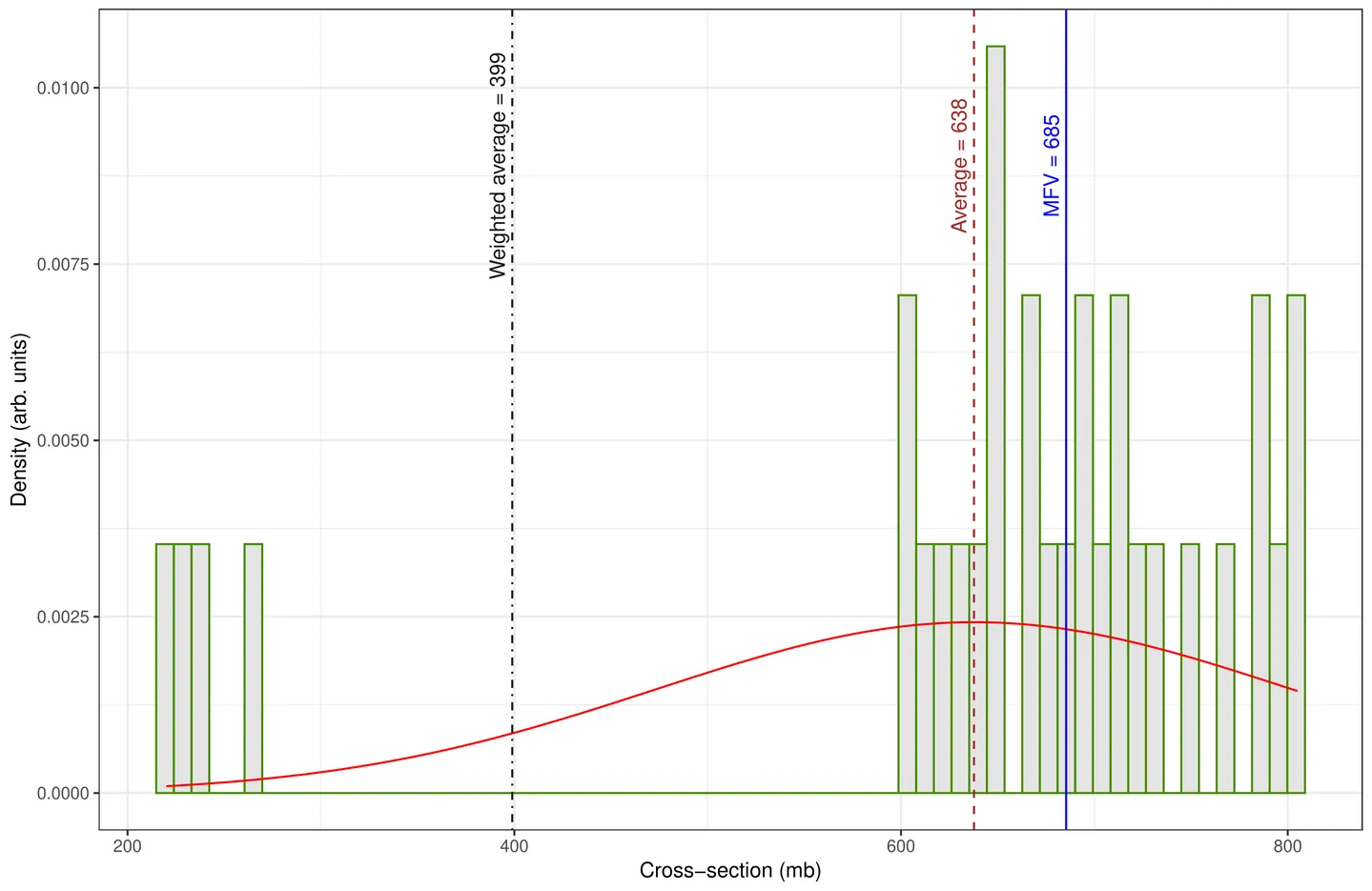
Estimating confidence intervals in small or noisy datasets is a challenge in biomolecular research when data contain outliers or high variability. We introduce a robust method combining a hybrid bootstrap procedure with Steiner's most frequent value (MFV) approach to estimate confidence intervals without removing outliers or altering the dataset. The MFV identifies the most representative value while minimizing information loss, ideal for limited or non-Gaussian samples. To demonstrate robustness, we apply the MFV-hybrid parametric bootstrapping (MFV-HPB) framework to the fast-neutron activation cross-section of the 109Ag(n,2n)108mAg reaction, a nuclear physics dataset with large uncertainties and evaluation difficulties. Repeated resampling and uncertainty-based simulations yield a robust MFV of 709 mb with a 68.27% confidence interval of [691, 744] mb, illustrating the method's interpretability in complex scenarios. Although the example is from nuclear science, similar issues arise in enzymatic kinetics, molecular assays, and biomarker studies. The MFV-HPB framework offers a generalizable approach for extracting central estimates and confidence intervals in small or noisy datasets, with resilience to outliers, minimal distributional assumptions, and suitability for small samples-making it valuable in molecular medicine, bioengineering, and biophysics.
2502.07898The polarization of the $Λ$ and $\overlineΛ$ hyperons along the beam direction has been measured in proton-lead (pPb) collisions at a center-of-mass energy per nucleon pair of 8.16 TeV. The data were obtained with the CMS detector at the LHC and correspond to an integrated luminosity of 186.0 $\pm$ 6.5 nb$^{-1}$. A significant azimuthal dependence of the hyperon polarization, characterized by the second-order Fourier sine coefficient $P_{z,s2}$, is observed. The $P_{z,s2}$ values decrease as a function of charged particle multiplicity, but increase with transverse momentum. A hydrodynamic model that describes the observed $P_{z,s2}$ values in nucleus-nucleus collisions by introducing vorticity effects does not reproduce either the sign or the magnitude of the pPb results. These observations pose a challenge to the current theoretical implementation of spin polarization in heavy ion collisions and offer new insights into the origin of spin polarization in hadronic collisions at LHC energies.