Nuclear Physics
Nuclear structure, reactions, heavy-ion collisions, and QCD matter
Nuclear structure, reactions, heavy-ion collisions, and QCD matter
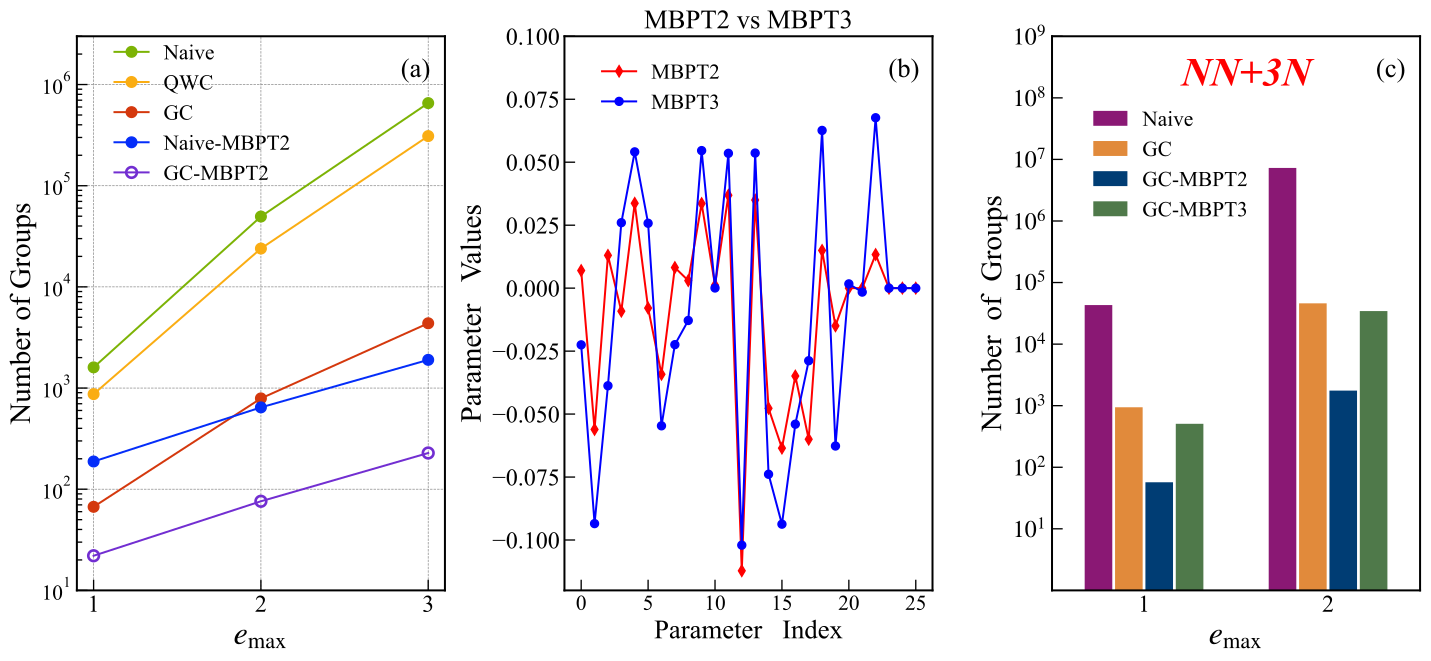
Quantum computers are expected to provide a ultimate solver for quantum many-body systems, although it is a tremendous challenge to achieve that goal on current noisy quantum devices. This work illustrated quantum simulations of ab initio no-core shell model calculations of $^3$H with chiral two-nucleon and three-nucleon forces. The measurement costs are remarkably reduced by using the general commutativity measurement together with the asymptotic optimization. In addition, the noise causes serious contaminations of configurations with undesired particle numbers, and the accuracies are much improved by applying the particle number projected measurement. By tackling the efficiency and noise issues, this work demonstrated a substantial step toward ab initio quantum computing of atomic nuclei.

We develop a unified theoretical framework that embeds a light leptophilic vector boson into nuclear energy density functional (EDF) theory. Starting from an underlying leptophilic gauge interaction, the mediator is integrated out in the static limit, yielding an effective current--current interaction that couples proton and lepton densities. This interaction is incorporated self-consistently into relativistic mean-field equations, defining a leptophilic extension of conventional nuclear EDFs. The resulting leptophilic EDF induces correlated modifications of proton and lepton chemical potentials, directly affecting beta equilibrium in dense matter. In uniform matter, these effects lead to percent-level changes in the proton fraction, symmetry energy, and equation of state within phenomenologically allowed parameter ranges. In finite nuclei, the modified proton mean field generates shifts of $10^{-3}$--$10^{-2}\,\mathrm{fm}$ in neutron-skin thicknesses, comparable to current experimental sensitivities. Our results demonstrate that light leptophilic interactions leave coherent and experimentally accessible imprints on both nuclear structure and dense-matter observables. The framework introduced here provides a controlled and realistic extension of nuclear EDF theory, enabling nuclear systems to serve as laboratories for probing new physics in the leptonic sector.
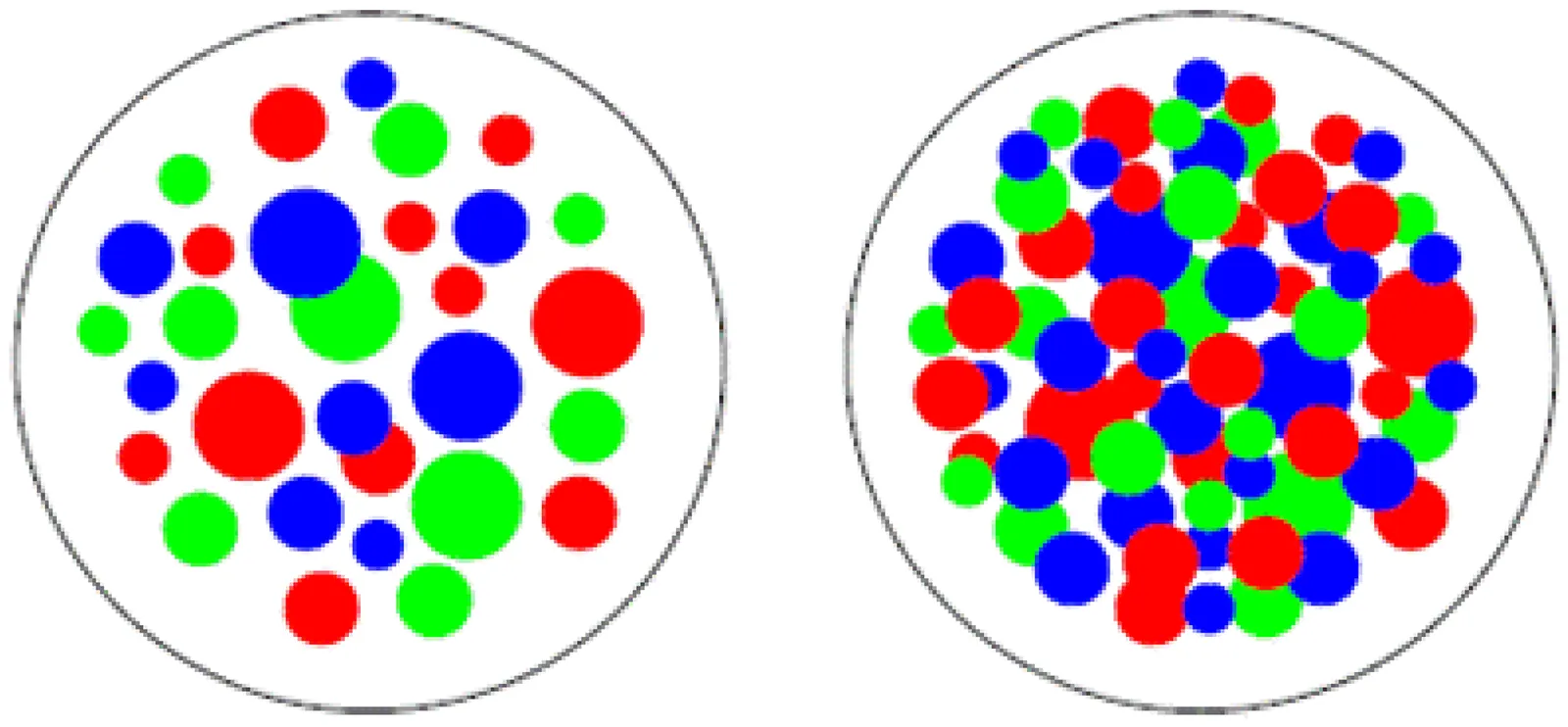
In the present work we have analyzed the transverse momentum spectra of charged particles in high multiplicity $pp$ collisions at LHC energies $\sqrt s $ = 5.02 and 13 TeV using the Color String Percolation Model (CSPM). For heavy ions $Pb-Pb$ at $\sqrt {s_{NN}} $ = 2.76 and 5.02 TeV along with $Xe-Xe$ at $\sqrt {s_{NN}} $= 5.44 TeV have been analyzed. The initial temperature is extracted both in low and high multiplicity events in ${\it pp}$ collisions. For $A-A$ collisions the temperature is obtained as a function of centrality. From the measured energy density $ \varepsilon$ and the temperature T the dimensionless quantity $ \varepsilon/T^{4}$ is obtained. Our results for Pb-Pb and Xe-Xe collisions show a sharp increase in $\varepsilon/T^{4}$ above T $\sim$ 210 MeV and reaching the ideal gas of quarks and gluons value of $ \varepsilon/T^{4} \sim$ 16 at temperature $\sim $ 230 MeV. At this temperature there is a transition from the fluid behavior of QCD matter strongly interacting to a quasi free gas of quarks and gluons.
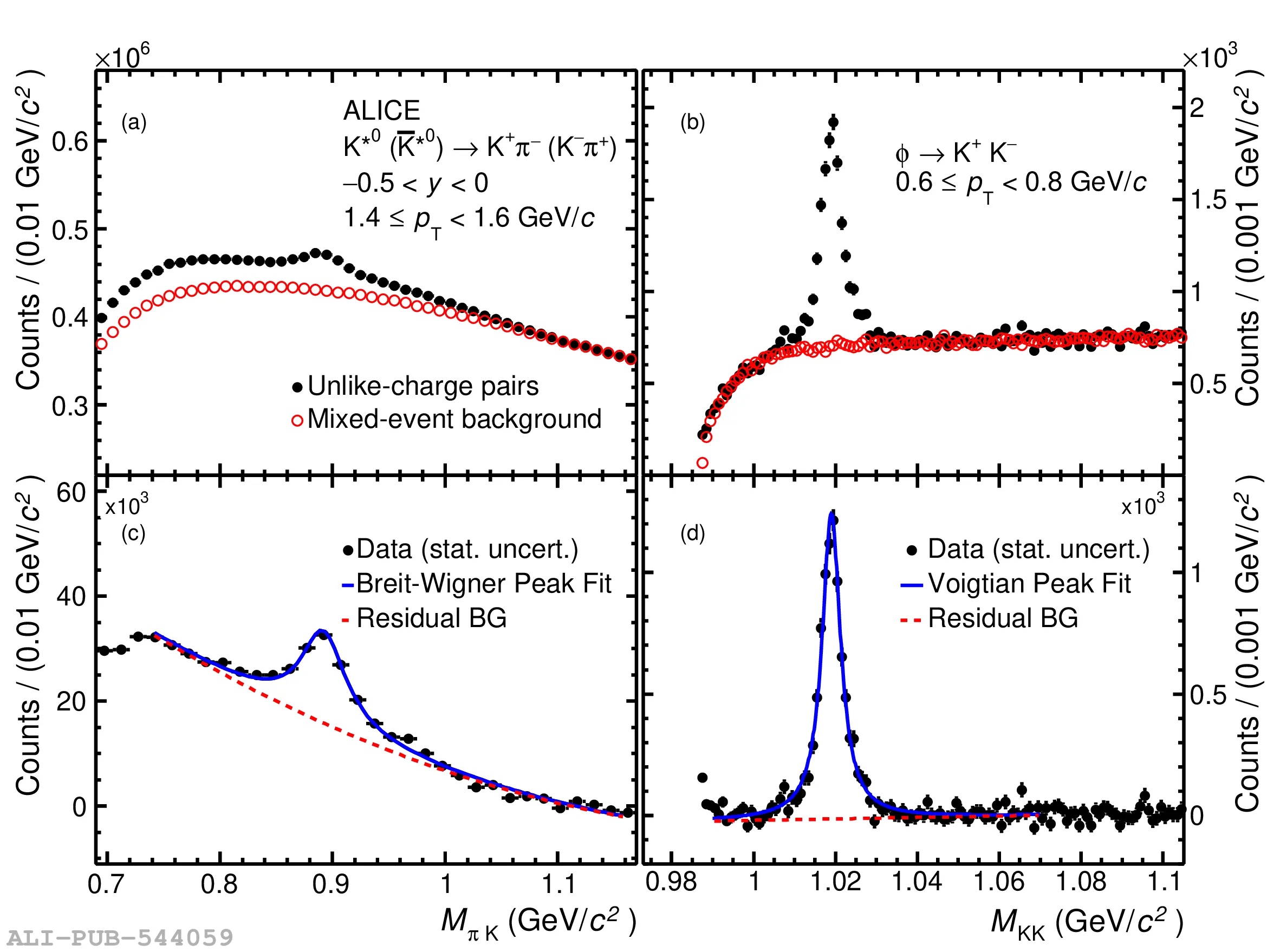
Resonances provide sensitivity to the late-stage dynamics of heavy-ion collisions, as their lifetimes are comparable to the duration of the hadronic phase. This review summarizes state-of-the-art measurements of light-flavour mesonic and baryonic resonances, including $ρ$(770), $K^{\star}$(892), $φ$(1020), $Δ$(1232), $Λ^{\star}$(1520), $Σ^{\star}$(1385) and $Ξ^\star$(1530), in pp, p-A and A-A collisions at SPS, RHIC and the LHC. Systematic trends in yields, mass and width modifications, transverse-momentum spectra, nuclear modification factors, and particle ratios reveal the interplay of re-scattering and regeneration, medium-induced suppression, and the development of collective dynamics with increasing system size and multiplicity. Anisotropic flow results confirm the coupling of resonances to the expanding medium, while recent vector-meson spin-alignment measurements offer fresh insights into hadronization mechanisms and local fields. Ultra-peripheral collisions provide vacuum-like baselines for isolating in-medium effects. Emerging opportunities for charm-resonance studies in upcoming high-luminosity experiments are also outlined.Together, these advances demonstrate the important role of resonance measurements in constraining the space-time evolution of strongly interacting matter.
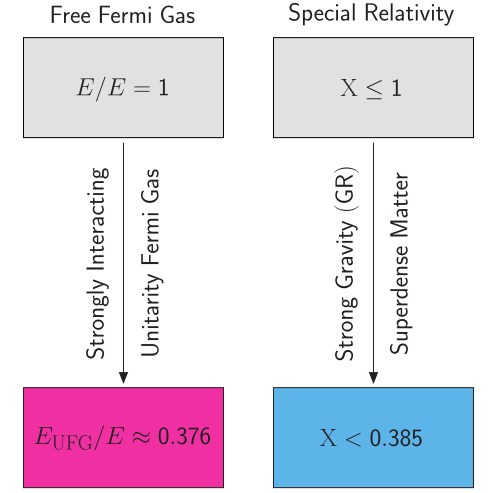
The equation-of-state (EOS) parameter $φ\equiv P/\varepsilon$, defined as the ratio of pressure to energy density, encapsulates the fundamental response of matter under extreme compression. Its value at the center of the most massive neutron star (NS), $\x \equiv φ_{\rm c} = P_{\rm c}/\varepsilon_{\rm c}$, sets a universal upper bound on the maximum denseness attainable by any form of visible matter anywhere in the Universe. Remarkably, owing to the intrinsically nonlinear structure of the EOS in General Relativity (GR), this bound is forced to lie far below the naive Special Relativity (SR) limit of unity. In this work, we refine the theoretical upper bound on $\x$ in a self-consistent manner by incorporating, in addition to the causality constraint from SR, the mass-sphere stability condition associated with the mass evolution pattern in the vicinity of the NS center. This condition is formulated within the intrinsic-and-perturbative analysis of the dimensionless Tolman--Oppenheimer--Volkoff equations (IPAD-TOV) framework. The combined constraints yield an improved bound, $\x \lesssim 0.385$, which is slightly above but fully consistent with the previously derived causal-only limit, $\x \lesssim 0.374$. We further derive an improved scaling relation for NS compactness and verify its universality across a broad set of 284 realistic EOSs, including models with first-order phase transitions, exotic degrees of freedom, continuous crossover behavior, and deconfined quark cores. The resulting bound on $\x$ thus provides a new, EOS-independent window into the microphysics of cold superdense matter compressed by strong-field gravity in GR.
Quantum computers are expected to provide a ultimate solver for quantum many-body systems, although it is a tremendous challenge to achieve that goal on current noisy quantum devices. This work illustrated quantum simulations of ab initio no-core shell model calculations of $^3$H with chiral two-nucleon and three-nucleon forces. The measurement costs are remarkably reduced by using the general commutativity measurement together with the asymptotic optimization. In addition, the noise causes serious contaminations of configurations with undesired particle numbers, and the accuracies are much improved by applying the particle number projected measurement. By tackling the efficiency and noise issues, this work demonstrated a substantial step toward ab initio quantum computing of atomic nuclei.

We present an \emph{ab initio} calculation within quantum statistical field theory and linear response theory, of the dissipative correction to the momentum spectrum of scalar particles emitted at decoupling (freeze-out) from a relativistic fluid assuming the initial state to be in local thermodynamic equilibrium. We obtain an expansion of the Wigner function of the interacting quantum field in terms of the gradients of the classical thermo-hydrodynamic fields - four-temperature vector and reduced chemical potential - evaluated on the initial local-equilibrium hypersurface, rather than on the decoupling (freeze-out) hypersurface as usual in kinetic theory. The gradient expansion includes an unexpected zeroth order term depending on the differences between thermo-hydrodynamic fields at the decoupling and the initial hypersurface. This term encodes a memory of the initial state which is related to the long-distance persistence of the correlation function between Wigner operator and stress-energy tensor and charged current that is discussed in detail. We address the phenomenological implications of these corrections for the momentum spectra measured in relativistic nuclear collisions.
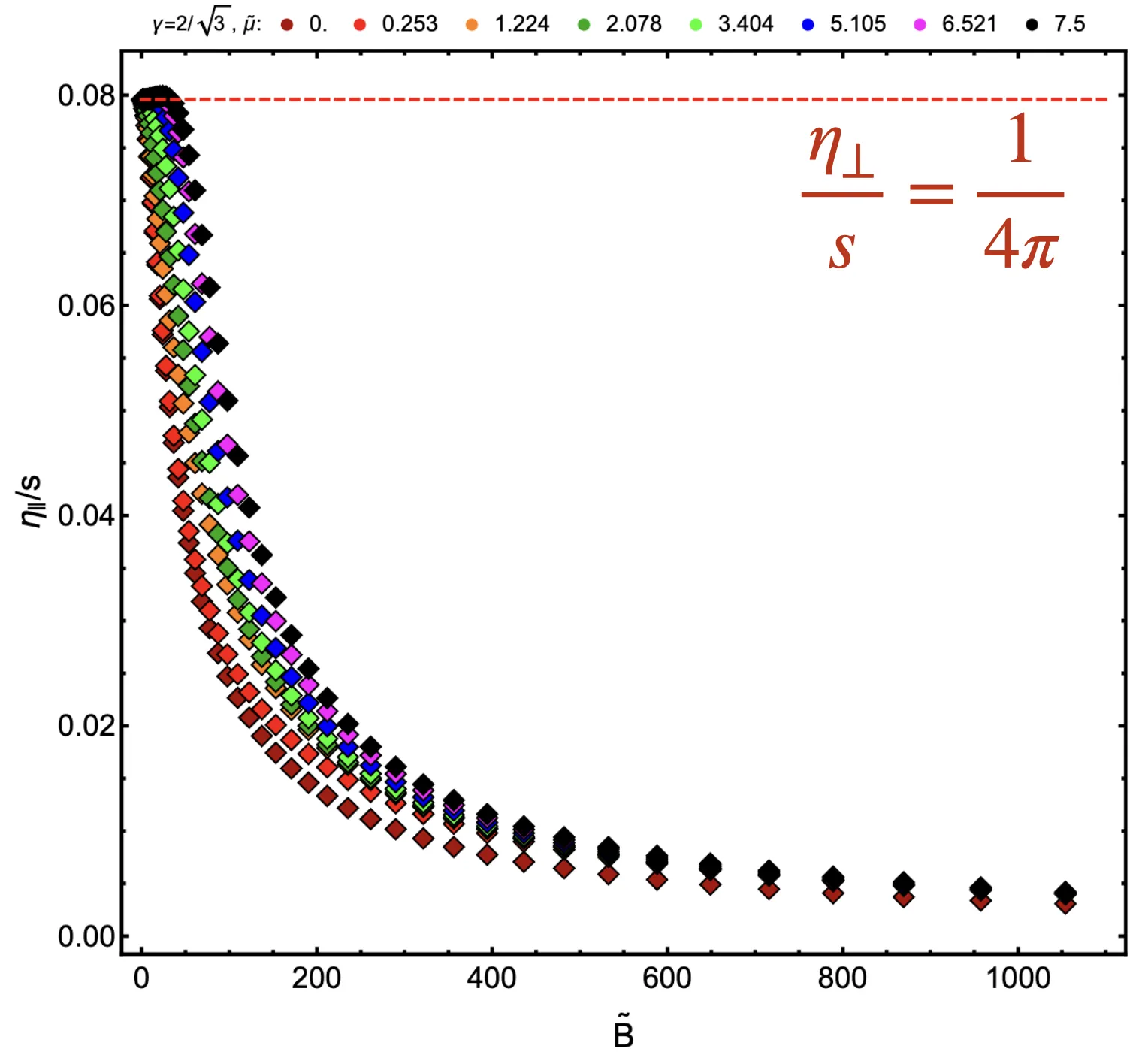
The plasma generated in heavy ion collisions goes through different phases in its time evolution. While early times right after the collision are governed by far-from equilibrium dynamics, later times are believed to be well described by near-equilibrium dynamics. While the regimes of non-equilibrium are prohibitively complicated to describe within QCD, effective descriptions such as hydrodynamics provide a viable approach. In addition, holographic descriptions allow access to the full non-equilibrium dynamics at strong coupling. In this presentation, we review three examples of such hydrodynamic approaches and corresponding holographic descriptions: 1) non-equilibrium shear viscosity, 2) propagation of non-equilibrium sound waves, and 3) the non-equilibrium chiral magnetic effect.
 2512.23456
In this work, the poles and the resulting dispersion spectra from the relativistic kinetic equation have been analyzed with the help of a proposed collision kernel that conserves both the energy-momentum tensor and particle current by construction. The dispersion relations, which originally come out in the form of logarithmic divergences, in the long wavelength limit exhibit the systematic gradient structure of the relativistic hydrodynamics. The key result is that, in the derivative expansion series, the spatial gradients appear in perfect unison with the temporal gradients in the non-local relaxation operator like forms. It is then shown that this dispersion structure, including non-local temporal derivatives, is essential for the preservation of causality of the theory truncated at any desired order.
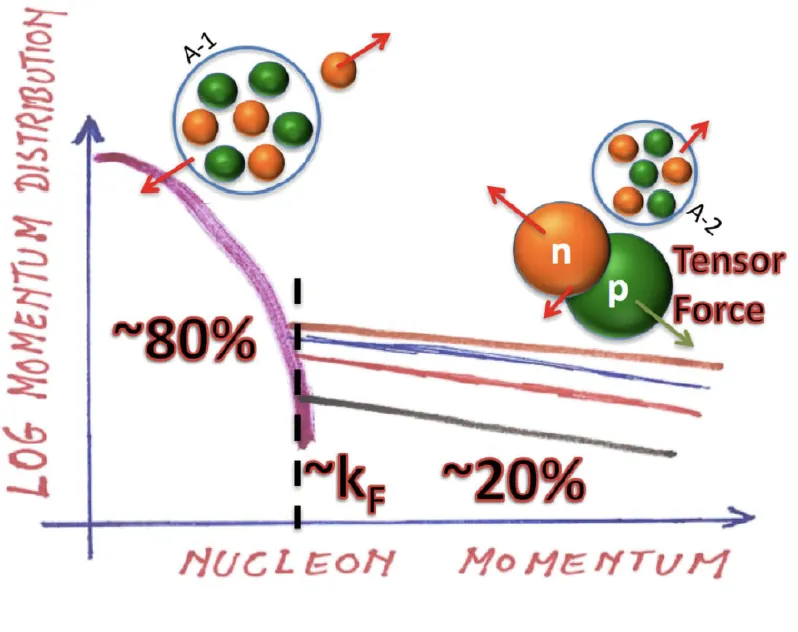
Nucleon short-range correlations (SRCs) and the associated high-momentum tail (HMT) in its momentum distribution $n(k)$ represent a universal feature of strongly interacting Fermi systems. In nuclear matter, SRCs arise primarily from the spin-isospin dependence of the tensor and short-range components of the nucleon-nucleon interaction, leading to a substantial depletion of its Fermi sea and a characteristic $k^{-4}$ tail populated predominantly by isosinglet neutron-proton pairs. These microscopic structures modify both the kinetic and interaction contributions to the Equation of State (EOS) of dense matter and thereby influence a broad range of neutron-star (NS) properties. This short review provides a streamlined overview of how SRC-induced changes in $n(k)$ reshape the kinetic EOS, including its symmetry energy part and how these effects propagate into macroscopic NS observables, including mass-radius relations, tidal deformabilities, direct Urca thresholds and core-crust transition. We summarize key existing results, highlight current observational constraints relevant for testing SRC-HMT effects, and outline open questions for future theoretical, experimental, and multimessenger studies of dense nucleonic matter.
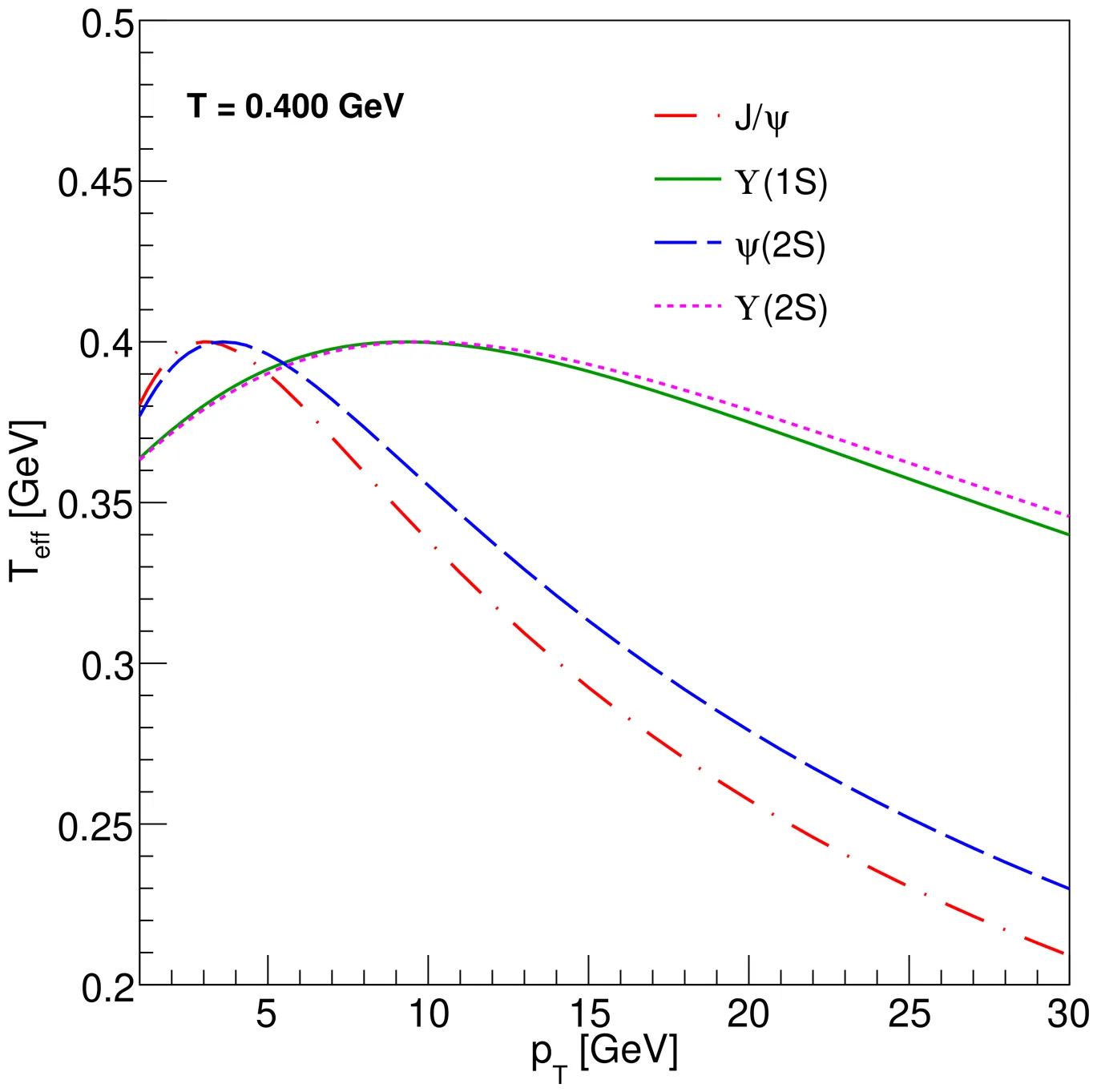
The observation of spin alignment of quarkonia in ultra-relativistic heavy-ion collisions provides deep insight into the possible formation of the quark-gluon plasma (QGP). The present study investigates the spin alignment of quarkonia induced by dissociation mechanisms arising from medium effects imposed on quarkonia. We implement an effective Hamiltonian with a medium-modified color-singlet potential to incorporate the coupling of quarkonium spin with medium vorticity. This coupling gives rise to spin-dependent dissociation, which we identify as a plausible mechanism contributing to quarkonium spin alignment. Within the ambit of second-order relativistic viscous hydrodynamics, we calculate the spin-dependent decay widths of charmonium ($J/ψ$, $ψ$(2S)) and bottomonium ($Υ$(1S), $Υ$(2S)) in a rotating thermal medium, including collisional damping and gluonic dissociation effects. We evaluate the observable $ρ_{00}$ for Pb--Pb collisions at $\sqrt{s_{\rm NN}} = 5.02$ TeV as a function of transverse momentum of the quarkonia, charged particle multiplicity, and medium rotation. The results demonstrate that medium vorticity modifies the quarkonia net decay width and, as a consequence, quarkonia spin alignment gets modified. These findings suggest new directions for understanding spin transport and the microscopic dynamics of vortical QGP.
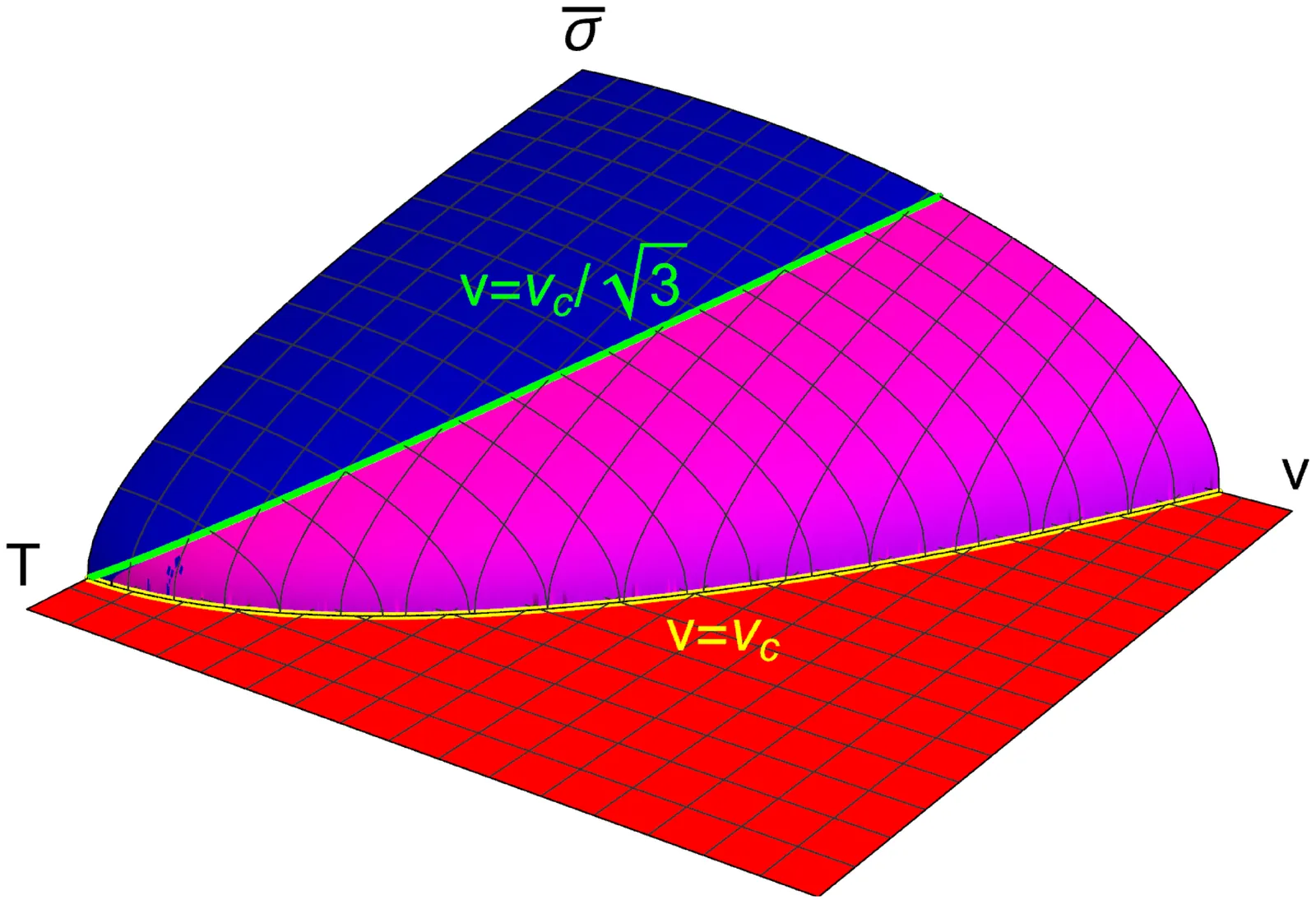
Landau's two-fluid model of superfluidity ceases to apply in regions where the condensate amplitude exhibits rapid spatial variation, such as vortex cores or in the vicinity of container walls. A recently proposed relativistic Gross-Pitaevskii-type framework treats the condensate as an independent scalar degree of freedom, enabling a controlled analysis of such regimes. We use it to construct stationary superflows close to the superfluid-normal phase boundary, and examine their stability. We obtain an exact expression for Landau's critical velocity and show that the standard Newtonian profiles (such as the near-vortex condensate depletion or the boundary-layer decay) persist unmodified in the relativistic setting. We further analyse a genuinely relativistic configuration in which an accelerated superfluid develops a phase boundary induced by Tolman temperature gradients.
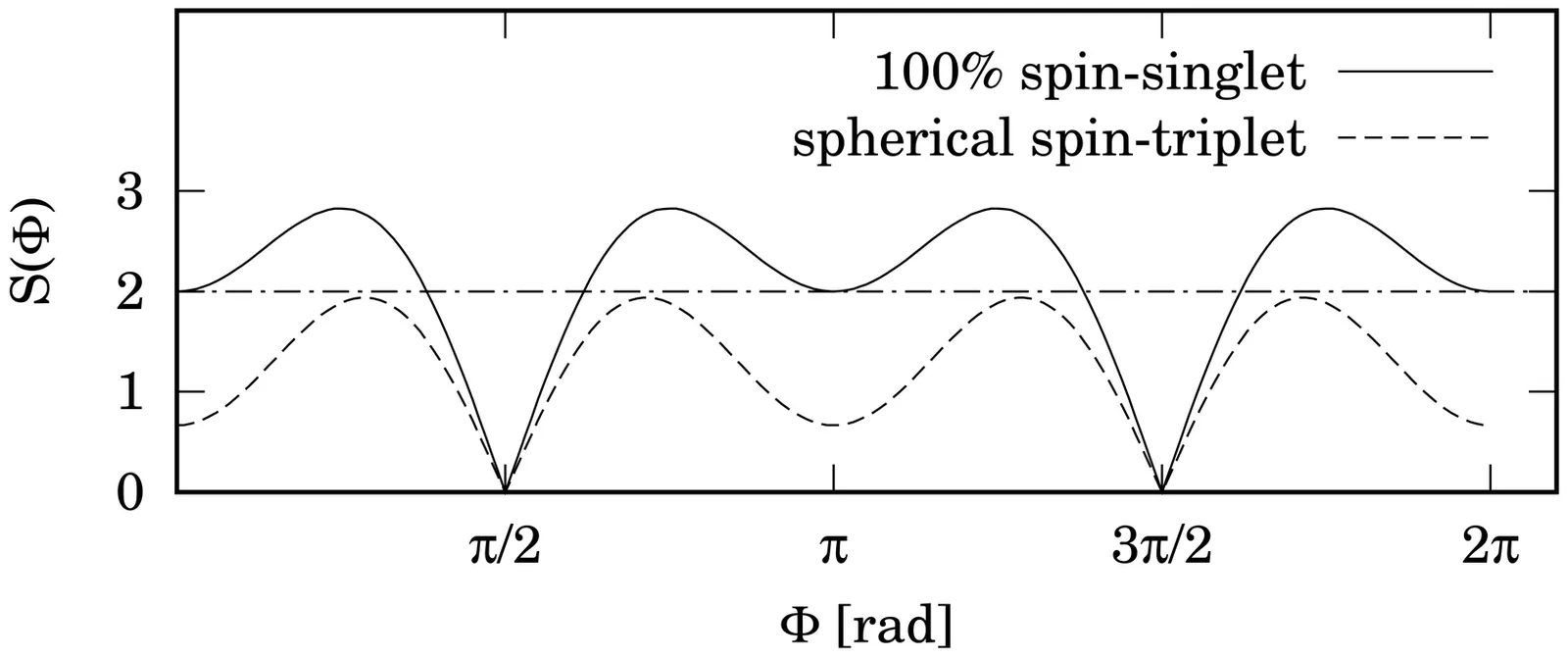
We discuss how the spin correlation, which reflects the quantum entanglement between two fermions, can serve as a probe of diproton correlation in the two-proton ($2p$) emission. We investigated the 16Ne nucleus using the time-dependent three-body (14O + 2p) model, and found that the $2p$-spin correlation exceeded the limit of local-hidden-variable (LHV) theory when the initial state had a spin-singlet diproton configuration. In contrast, for other configurations, it was remarkably reduced. This suggests that a strong initial diproton correlation is essential to generate a spin correlation nearly identical to that of a pure spin-singlet diproton. Such sensitivity indicates that $2p$-spin correlation can serve as a sensitive probe of diproton configurations, which could facilitate future studies on quantum entanglement and spin-dependent phenomena in atomic nuclei as well as in broader multi-fermion systems.
We develop a unified theoretical framework that embeds a light leptophilic vector boson into nuclear energy density functional (EDF) theory. Starting from an underlying leptophilic gauge interaction, the mediator is integrated out in the static limit, yielding an effective current--current interaction that couples proton and lepton densities. This interaction is incorporated self-consistently into relativistic mean-field equations, defining a leptophilic extension of conventional nuclear EDFs. The resulting leptophilic EDF induces correlated modifications of proton and lepton chemical potentials, directly affecting beta equilibrium in dense matter. In uniform matter, these effects lead to percent-level changes in the proton fraction, symmetry energy, and equation of state within phenomenologically allowed parameter ranges. In finite nuclei, the modified proton mean field generates shifts of $10^{-3}$--$10^{-2}\,\mathrm{fm}$ in neutron-skin thicknesses, comparable to current experimental sensitivities. Our results demonstrate that light leptophilic interactions leave coherent and experimentally accessible imprints on both nuclear structure and dense-matter observables. The framework introduced here provides a controlled and realistic extension of nuclear EDF theory, enabling nuclear systems to serve as laboratories for probing new physics in the leptonic sector.
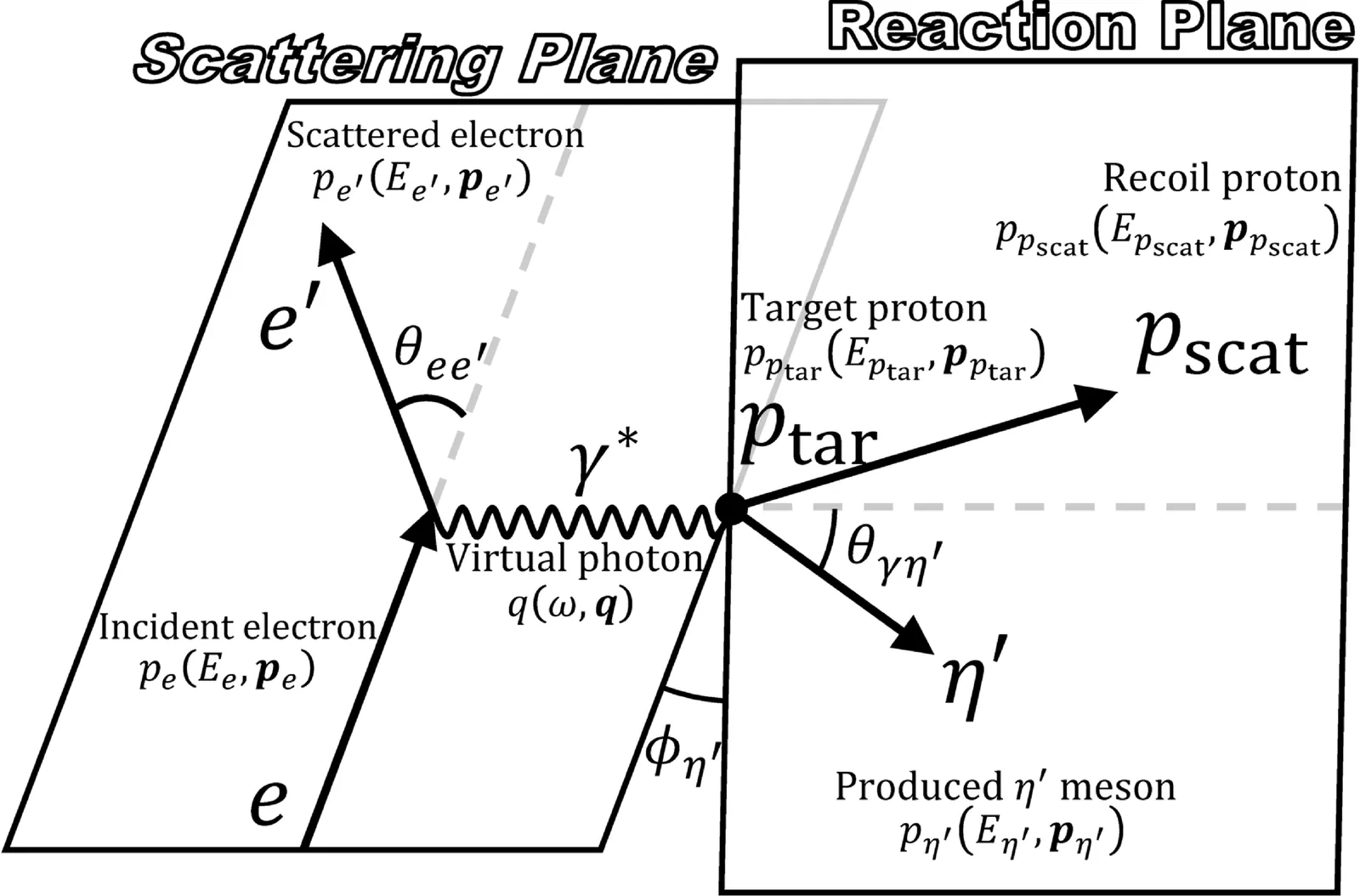
The electroproduction of $η'$ mesons from a $\mathrm{^{1}H}$ target at $W=2.13~\text{GeV}$, $Q^{2} = 0.46~\left( \text{GeV}/c\right)^{2}$ and $\cos θ^{\text{CM}}_{γ^{*}η'} \approx -1$ has been experimentally measured. The differential cross section of virtual-photoproduction has been obtained as $4.4 \pm 0.8 ~\left( \text{stat.} \right) \pm 0.4 ~\left( \text{sys.} \right)~ \text{nb/sr}$ in the One-Photon-Exchange Approximation. This value is one-sixth of that of real-photoproduction at backward angles. A comparison with newly-developed isobar model calculations not only shows validity of the theoretical framewark employed, but also imposes new constrains on coupling strength between the $η'p$ final state and nucleon resonances.
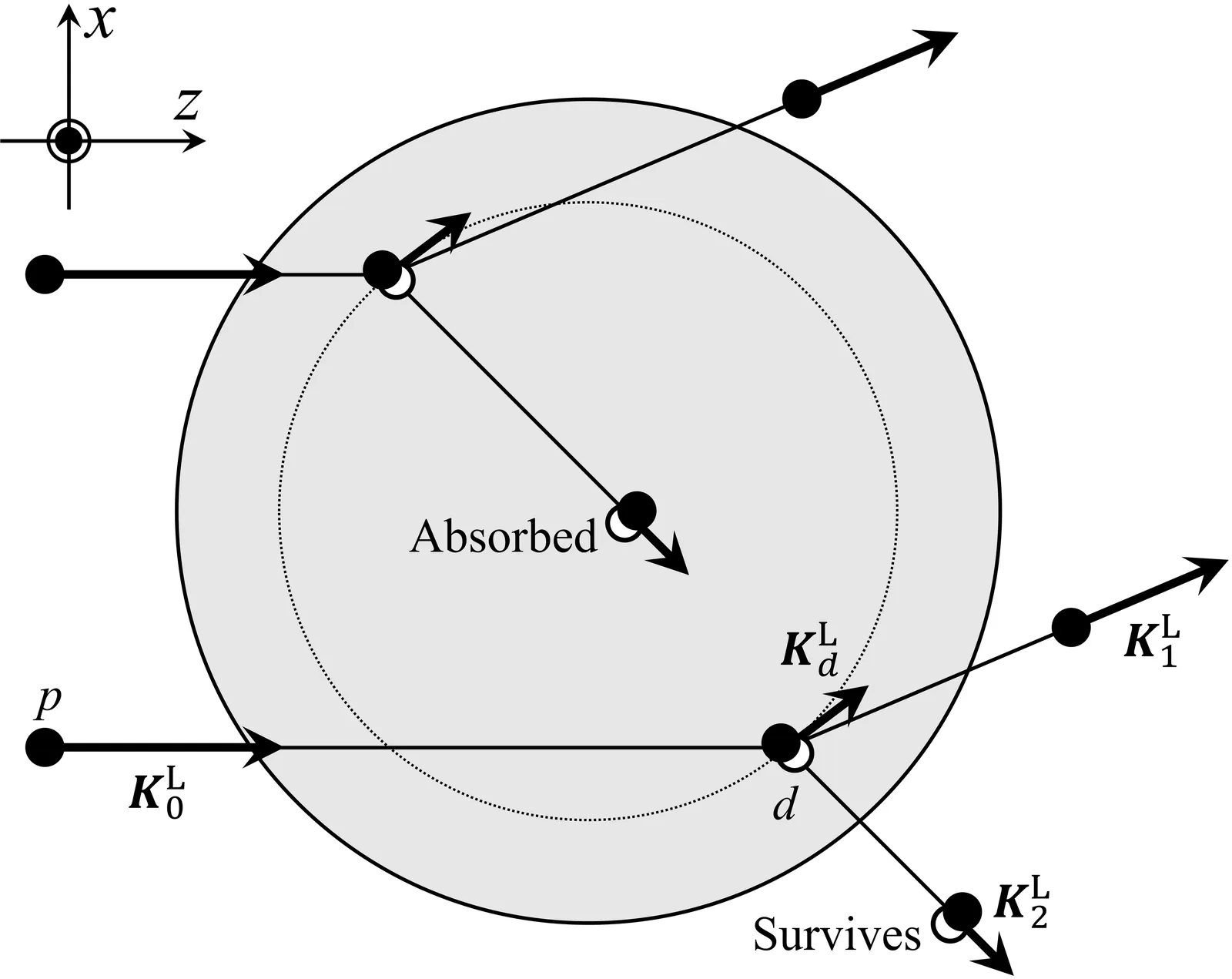
Proton-induced knockout reactions at intermediate energies provide a clean probe for nuclear clusters with relatively small theoretical uncertainties. The Maris polarization, which is the effective polarization of a particle inside a nucleus arising from nuclear absorption and spin-orbit coupling, has been used in proton knockout to determine the total angular momentum $j$ of the removed protons. However, its manifestation in cluster knockout remains unexplored. We theoretically demonstrate that the Maris polarization can be observed via the vector analyzing power $A_y$ of the proton-induced deuteron knockout ($p,pd$) reaction in imbalanced kinematics. We first compute the spin-correlation coefficient $C_{y,y}$ of $p$-$d$ elastic scattering, which is an elementary process, to identify suitable kinematics for the Maris polarization. We then calculate $A_y$ of the ($p,pd$) reaction at $250$~MeV in forward kinematics for deuteron-cluster orbits with $j = 1$, $2$, and $3$. The large positive $C_{y,y}$ values around $p$-$d$ scattering angles of $\sim 40^\circ$ are consistent with the experimental data. In the corresponding ($p,pd$) kinematics, the calculated $A_y$ is positive for $j = 3$ and negative for $j = 1$, indicating effective upward and downward polarizations of the deuterons in the nucleus, respectively. The calculated $A_y$ for $j = 2$ lies between these and is not yet fully understood. We theoretically demonstrate that the Maris polarization occurs in the ($p,pd$) reaction under imbalanced kinematics. This work will provide an indicator of the presence and orbital motion of deuteron clusters in nuclei, which have not yet been established. Further experimental and theoretical studies are required to improve the quantitative understanding of this effect, particularly for $j = 2$.
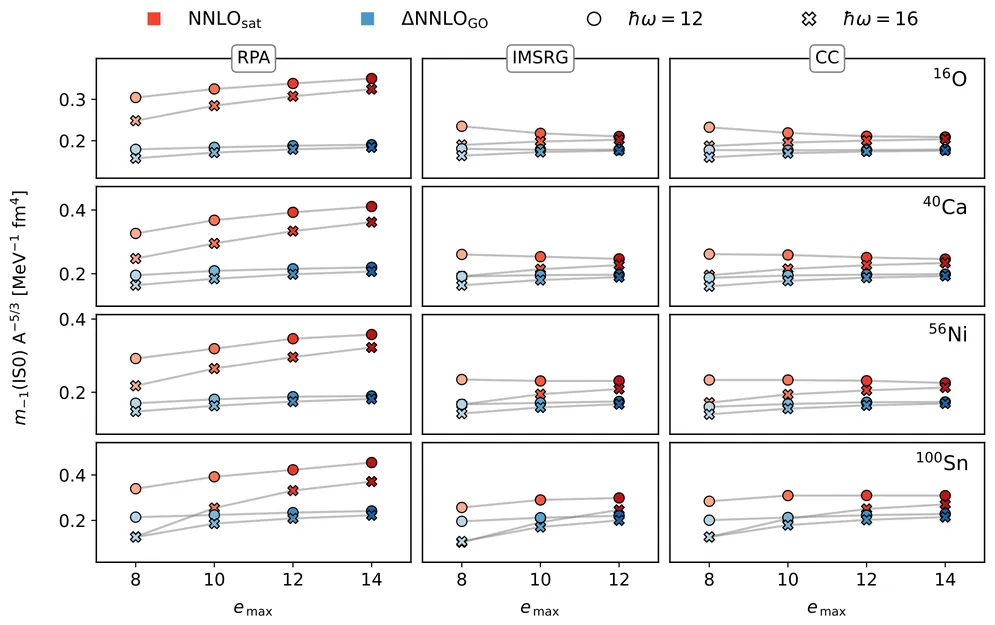
We compute moments of the isoscalar monopole response of N = Z closed-shell nuclei based on chiral nucleon-nucleon plus three-nucleon interactions. We employ the random phase approximation (RPA) and two ab initio many-body approaches, the in-medium similarity renormalization group (IMSRG) and coupled-cluster theory (CC). In the IMSRG framework, the moments are obtained as ground-state expectation values, whereas in the CC approach, they are evaluated through excited-state calculations. We find good agreement between the IMSRG and CC results across all nuclei studied. RPA provides a reasonable approximation to the correlated methods if the interaction is soft. From the calculated moments, we extract average energies of the monopole response, compute finite-nucleus incompressibilities, and estimate the incompressibility of symmetric nuclear matter by a fit to a leptodermous expansion. Our extrapolated values are lower than those obtained in nuclear matter calculations with the same interactions, but the values are consistent with phenomenological ranges.
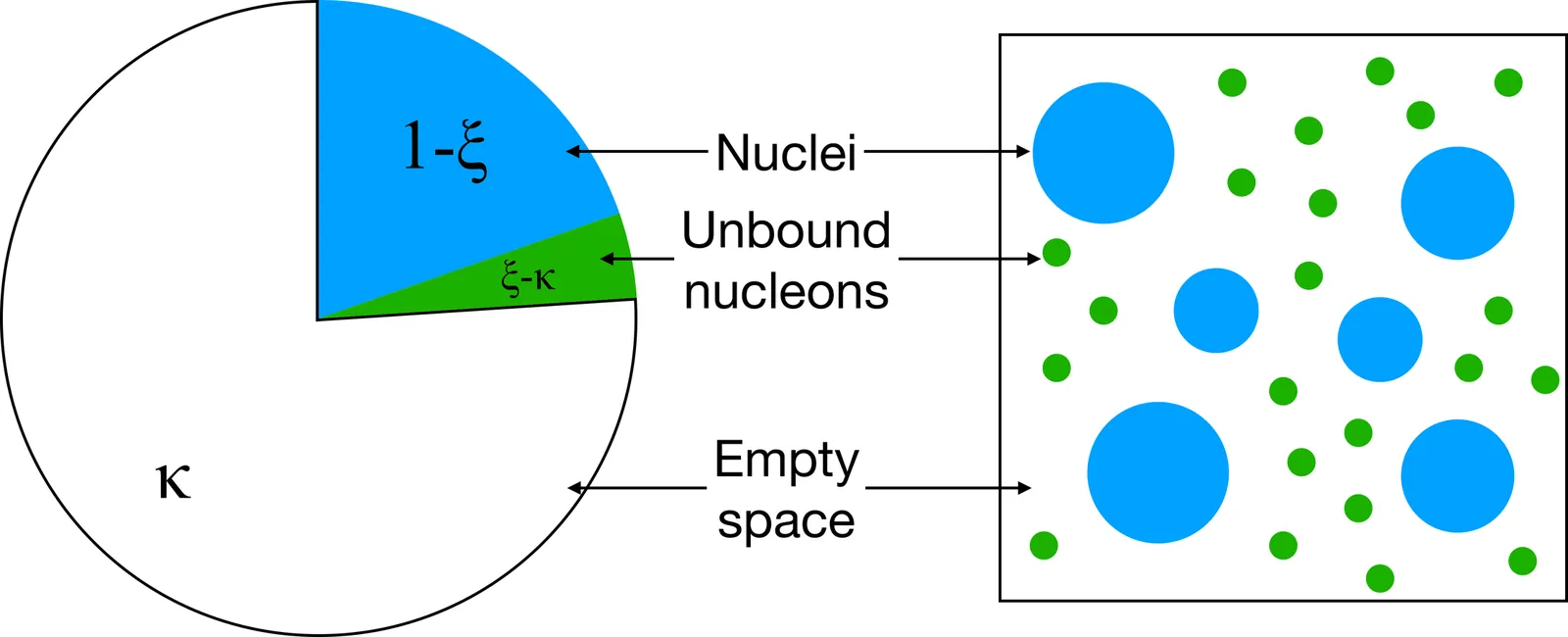
We present a new hadronic EoS with hyperons built within the relativistic mean-field (RMF) formalism with baryon-density- and isospin-density-dependent couplings. Motivated by microscopic calculations showing density- and isospin-asymmetry-dependence of self-energies, we implement a new form for the baryon-meson couplings. The parameters for the couplings are constrained by a Bayesian analysis, which anchors the model to nuclear saturation properties, chiral effective field theory ($χ$EFT) predictions for pure neutron matter, heavy-ion collision data, and HALQCD-based hyperon potential calculations at 3-momentum $|\mathbf{k}|=0$ in both isospin-symmetric and pure neutron matter. The resulting EoS satisfies neutron star mass-radius constraints from NICER and GW170817, providing another way to address the hyperon puzzle. The low-density part of the EoS is described via nuclear statistical equilibrium with modern mass tables (AME20/FRDM12, 8244 nuclei), providing a novel and complete general-purpose EoS for astrophysical simulations.
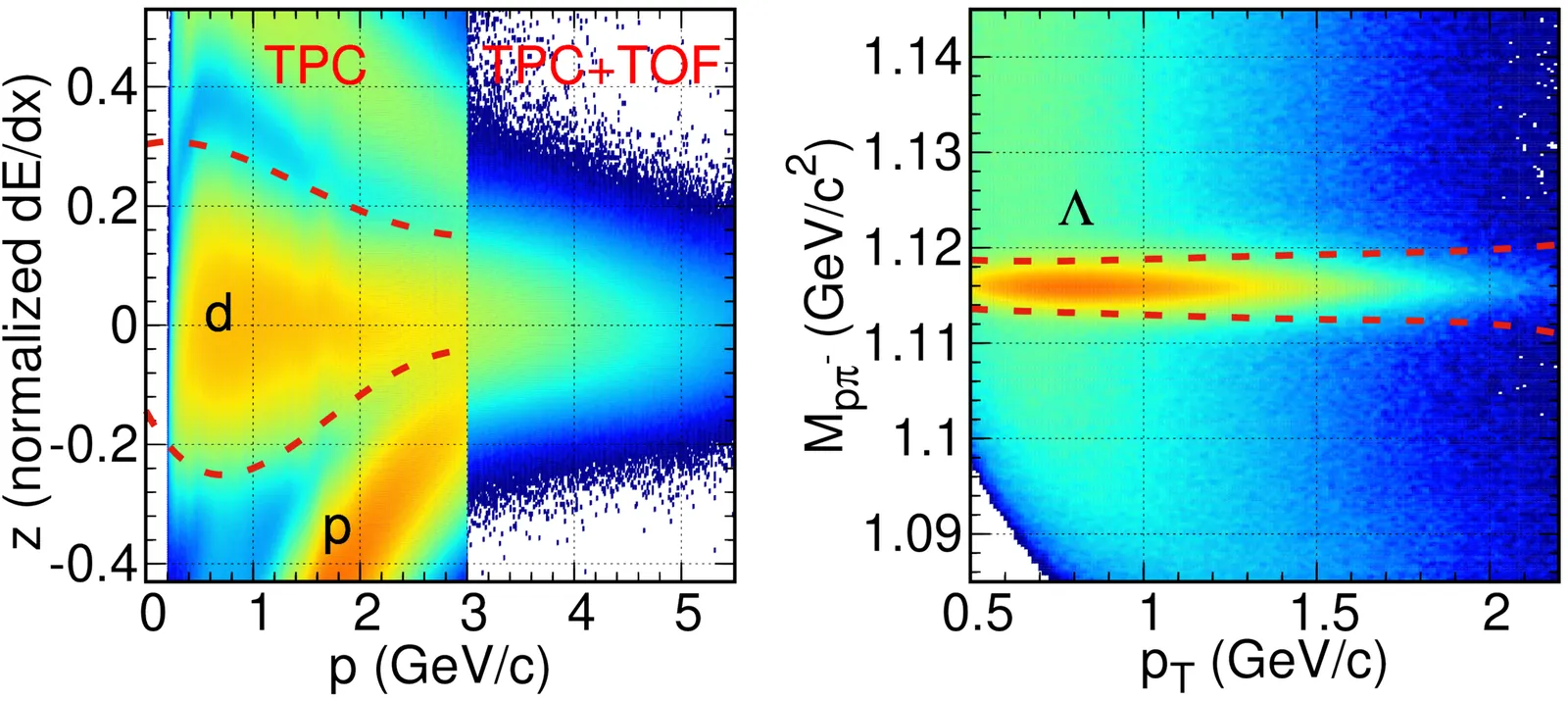
Precise experimental information on hyperon-nucleon interactions is scarce but of paramount importance to our understanding of the inner structure of compact stars. In this letter, we report the first experimental results of correlation functions between deuterons (d) and Λ hyperons in Au+Au collisions at \sqrt{s_{NN} = 3.0 GeV measured by the STAR experiment at RHIC. A clear enhancement at small relative momenta has been observed in the correlation function. Through a Bayesian inference analysis, the source size parameters as a function of collision centrality and the spin- dependent strong interaction parameters (scattering length f0 and effective range d0) are extracted using the Lednický-Lyuboshitz formalism. The derived doublet spin state parameters (f0, d0) lead to a novel method to precisely determine Λ separation energy for the weakly bounded hypertriton ^{3}_{Λ}H.
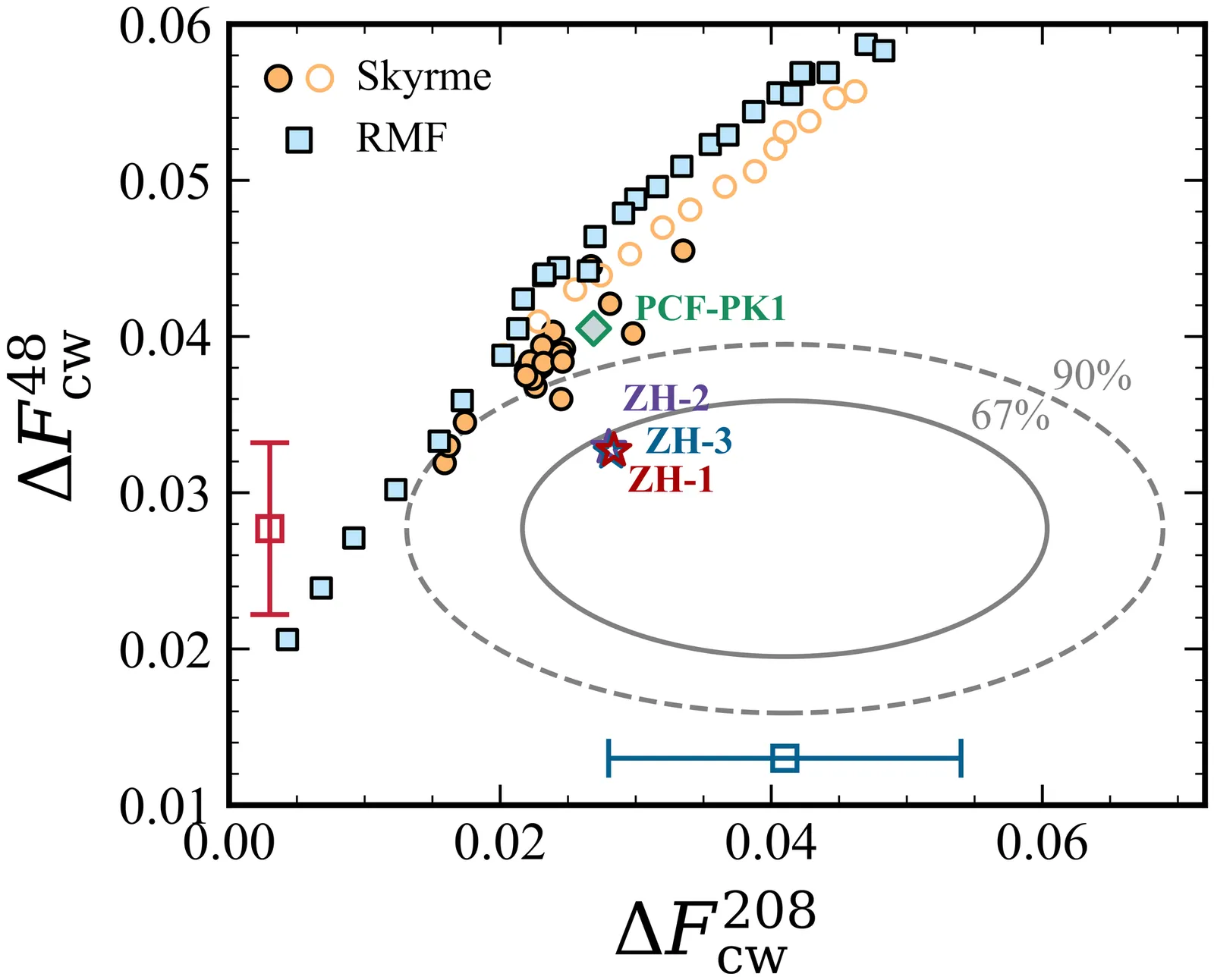
The PREX-CREX puzzle, an apparent tension between parity-violating electron-scattering results for $^{208}$Pb and $^{48}$Ca revealed by modern density functional analyses, has posed a major challenge for nuclear theory. We show that this puzzle can be resolved within covariant density-dependent point-coupling density functional theory by introducing an enhanced isovector tensor coupling. A nonrelativistic reduction identifies the resulting strong isovector spin-orbit interaction as the key mechanism that reconciles the PREX and CREX measurements.
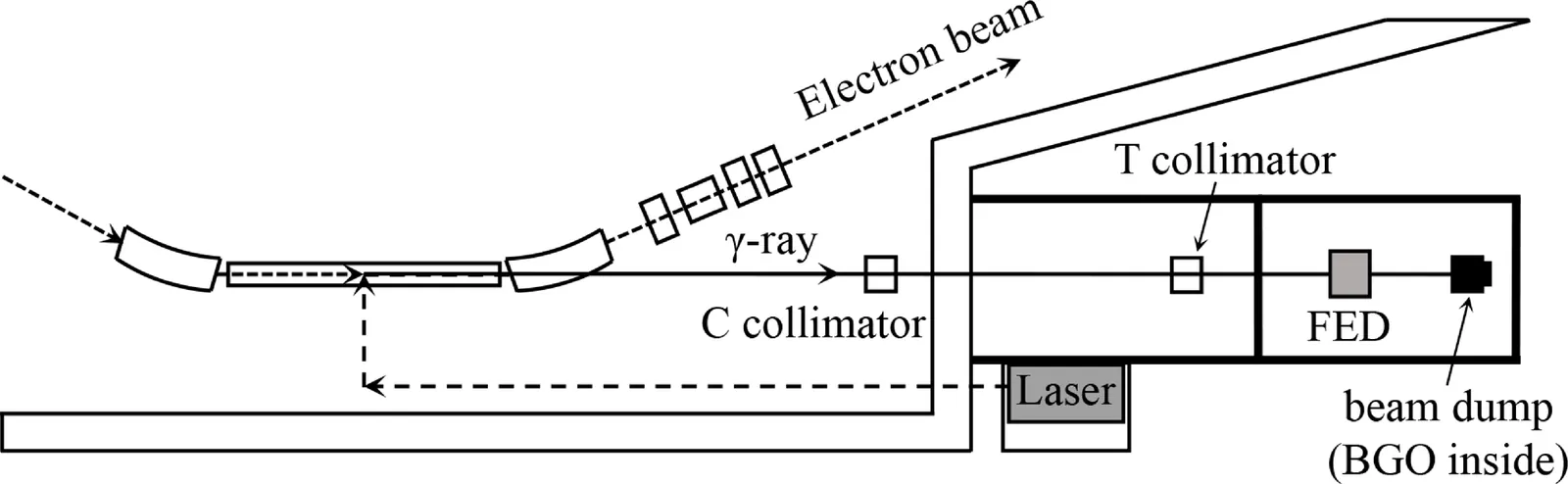
The Giant Dipole Resonance (GDR) in $^{51}$V has been a long-term conflicting interpretation, with existing photoneutron cross section data suggesting either a single peak or a pronounced splitting, leading to opposite conclusions on nuclear deformation. A new measurement of the $^{51}$V($γ$,1n) cross section, performed at the Shanghai Laser Electron Gamma Source (SLEGS) facility, employs a refined monochromatic cross section extraction method. By integrating Polynomial Regression and Support Vector Regression (SVR) for robust interpolation and extrapolation, the new extracted monoenergetic cross sections exhibit a single, broad peak with no evidence of GDR splitting. This result provides new support for a spherical or near-spherical shape of $^{51}$V. Furthermore, we found that deliberately overfitting the data using an SVR model reproduces multi-peak structures similar to those reported in historical datasets, implying that the previously claimed splitting might originated from analysis artifacts rather than physical phenomena.
2511.15129The norm operator method, which was recently proposed as a new formulation of the boson expansion theory (BET), is used to show that the subspace mapping is properly derived from the whole space mapping. This derivation requires the appropriate renormalization of the contribution of phonons that are not adopted as boson excitations in the subspace mapping. This was impossible with conventional BETs (which ignore these contributions), and is only made possible for the first time by the norm operator method, which treats these contributions appropriately. We also correct the confusion in the claims of conventional BETs. Namely, contrary to conventional claims, we show that when the phonon excitations not adopted as boson excitations make no contribution at all, the subspace mapping is obtained simply by discarding those excitations. Furthermore, we demonstrate that the Park operator, which had been considered effective only in the whole space mapping, is also effective in the subspace mapping.